How Laurent Gbagbo reshapes the PPA-CI in Côte d’Ivoire
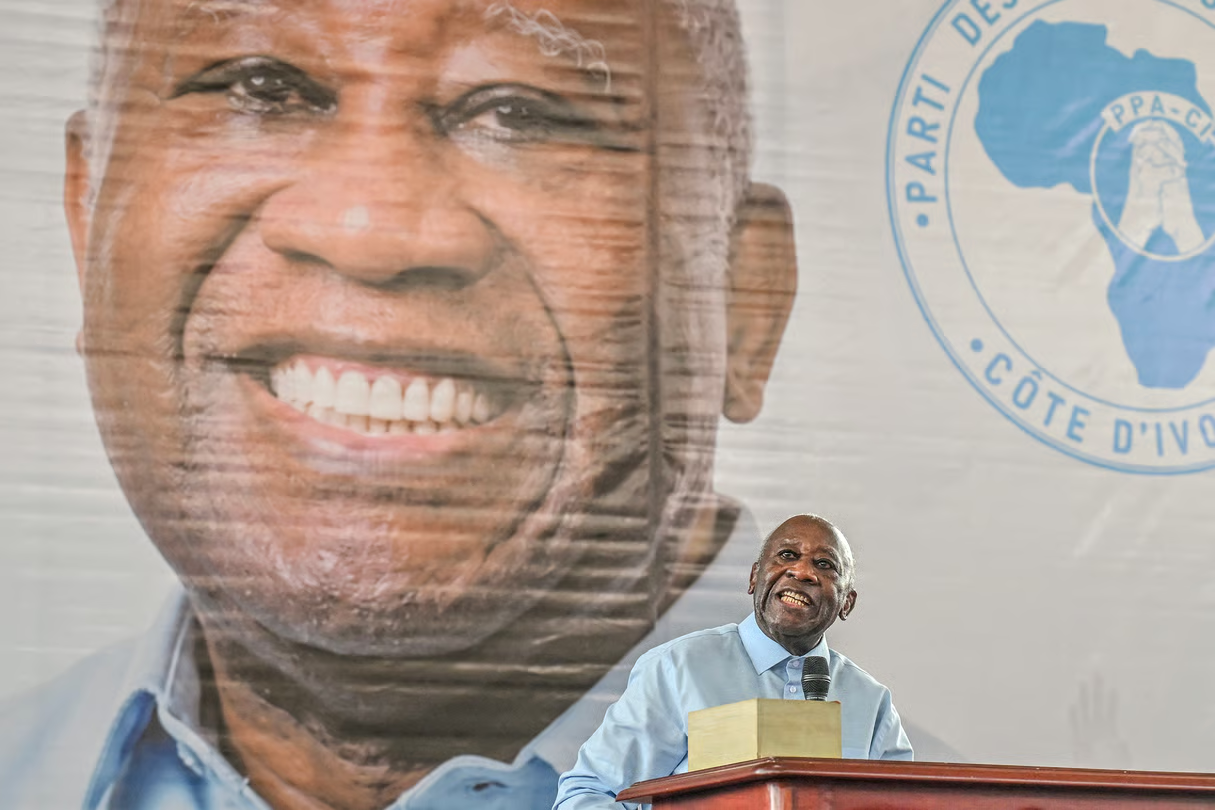
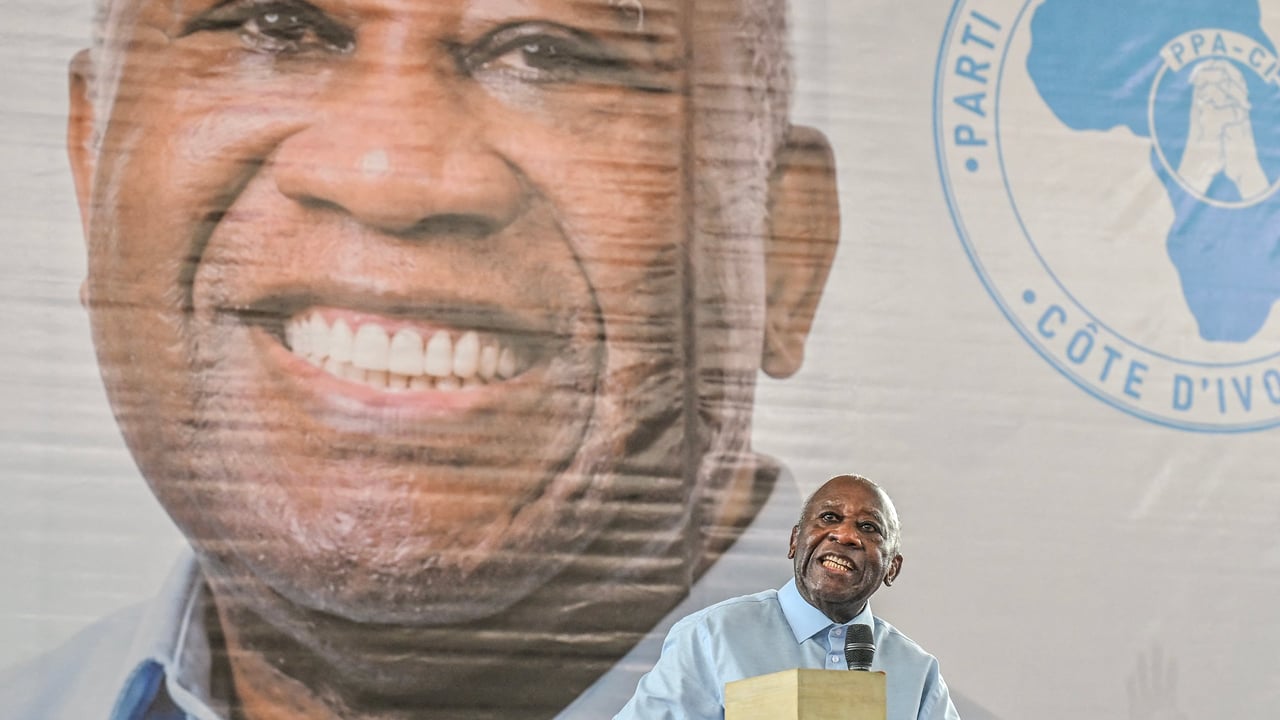
At the closing of his party’s inaugural congress in Abidjan, Laurent Gbagbo made a bold move to restructure the Parti des peuples africains-Côte d’Ivoire (PPA-CI). The reshuffle signals a new chapter for the political force that has shaped Ivorian politics for decades, as the former president seeks to consolidate influence ahead of future elections.
Key changes in the party’s leadership
The most striking adjustment came at the top. Laurent Gbagbo, who has led the PPA-CI since its founding, has revamped the executive committee to include a mix of long-standing allies and rising figures within the party. This strategic shift aims to energize the base while ensuring loyalty across regional factions.
Several high-profile members have been reassigned to key roles, reinforcing the party’s operational structure. Among them are seasoned politicians who have stood by Gbagbo through years of political turbulence, alongside younger cadres seen as potential future leaders.
A renewed focus on grassroots mobilization
The reorganization places a strong emphasis on grassroots engagement. Party officials have been instructed to intensify outreach in rural and urban communities, particularly in regions where the PPA-CI has traditionally struggled to maintain strong support. The goal is to rebuild a robust network that can mobilize voters ahead of upcoming polls.
Local coordinators have been given fresh directives to strengthen ties with civil society groups and youth organizations. This move reflects a broader strategy to diversify the party’s support base beyond its traditional strongholds.
Why this restructuring matters now
The timing of this overhaul is no coincidence. With national elections on the horizon, Gbagbo is positioning the PPA-CI to reclaim its political relevance. The rebranding effort includes a renewed messaging strategy that highlights the party’s historical role in advocating for sovereignty and social justice in Côte d’Ivoire.
Analysts suggest that the changes could help the party regain ground lost in recent years, particularly after a period of internal strife and electoral setbacks. By presenting a unified front, the PPA-CI hopes to project stability and resilience to voters.
Challenges lie ahead
Despite the restructuring, significant challenges remain. Internal divisions persist, and some party members have expressed skepticism about the new leadership’s ability to unite the base. Additionally, the political landscape in Côte d’Ivoire continues to evolve, with rival parties gaining traction.
The coming months will be critical in determining whether these changes translate into tangible electoral gains for the PPA-CI. For now, Laurent Gbagbo appears determined to steer the party toward a resurgence.
