Russia’s growing footprint in Mali and the Sahel amid security challenges
The Sahel region has become a focal point for international security partnerships, with Mali at the centre of mounting scrutiny over foreign military involvement. Russia’s expanding presence in the area, particularly through security alliances with West African governments, has raised both expectations and concerns about its evolving role in regional stability.
Russia’s strategic shift in Sahel security operations
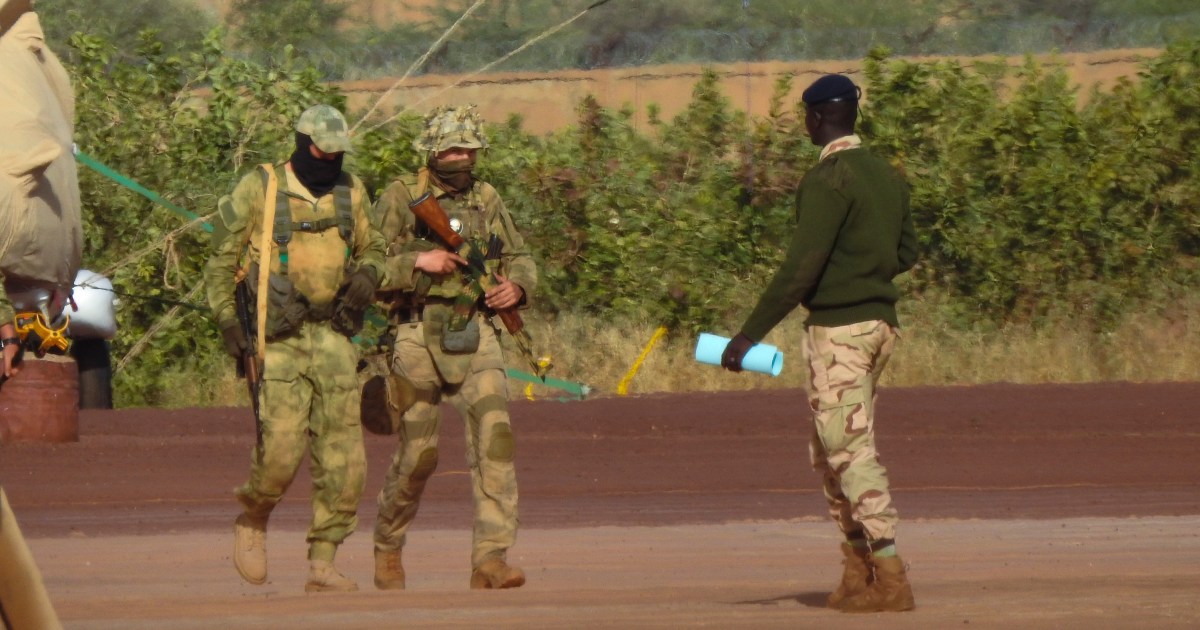
Following the withdrawal of French forces from Mali in 2022, Moscow stepped in with a new security arrangement. The Africa Corps, a restructured unit under Russia’s Defence Ministry, replaced the controversial Wagner Group, which had previously operated in the region. This transition marked a deliberate shift from private military contractors to a more formalised military partnership with Malian authorities.
The Africa Corps was deployed to support the Malian Armed Forces against armed groups, including Tuareg separatists and Islamist factions linked to Al-Qaeda. However, recent large-scale attacks have cast doubt on the effectiveness of this collaboration, prompting questions about Russia’s long-term strategy in the Sahel.
Recent attacks reveal vulnerabilities in military cooperation
Over the weekend, coordinated assaults by armed factions targeted multiple cities, including Bamako, Kidal, Gao, and Sevare. The offensive resulted in significant losses for Malian forces, including the death of Defence Minister Sadio Camara and the temporary seizure of Kidal, a strategic northern city. Reports indicate that Russian fighters withdrew from Kidal, raising concerns about their combat readiness and strategic coordination with Malian troops.
Analysts note a sharp contrast between the Wagner Group’s more aggressive tactics and the Africa Corps’ more defensive posture. While Wagner was often associated with bold operations, the Africa Corps has adopted a more cautious approach, which may have contributed to the recent setbacks. The withdrawal from Kidal, reportedly negotiated with Algeria’s mediation, has further fuelled scepticism about Russia’s ability to safeguard Malian territory.
Civilian casualties and war crime allegations
Amid the violence, reports have emerged of civilian targeting by Russian fighters, Malian soldiers, and armed groups. Human rights organisations warn that these actions could constitute war crimes, adding another layer of complexity to Russia’s involvement in the conflict. The Africa Corps has denied any wrongdoing, asserting that its actions were in line with Malian government directives.
Russia’s evolving influence in the Sahel
Russia’s engagement in the Sahel extends beyond Mali, with smaller contingents of Africa Corps fighters stationed in Niger and Burkina Faso. These deployments are primarily in advisory roles, supporting local forces against Islamist insurgencies. However, the recent events in Mali have highlighted the limitations of Russia’s security model, particularly in regions plagued by entrenched armed groups.
Moscow has positioned itself as an alternative to Western military partnerships, framing its involvement as a non-colonial force. This narrative has resonated with some Sahel governments, particularly those that have distanced themselves from regional blocs like ECOWAS. However, the Africa Corps’ performance in Mali has raised doubts about its reliability as a security partner.
What lies ahead for Russia and Mali?
The Malian military government, led by Assimi Goita, has vowed to intensify security measures following the attacks. While Goita has not directly addressed the role of Russian forces, his defiant stance suggests a determination to regain control. However, the withdrawal of Africa Corps fighters from Kidal and the ongoing siege threats against Bamako underscore the fragility of the current security landscape.
Analysts suggest that Russia’s reputation in the Sahel has suffered a significant blow. Ulf Laessing, a West Africa expert at the Konrad-Adenauer Stiftung, stated, “Africa Corps has really lost credibility… They didn’t put up a fight on Saturday and have left Kidal, which is a highly symbolic Tuareg stronghold.” The loss of equipment, including a drone station, further reinforces perceptions of ineffectiveness.
As Mali and its Sahel neighbours grapple with escalating violence, the future of Russia’s military partnerships remains uncertain. The Africa Corps’ challenges in Mali may deter other nations from seeking similar arrangements, potentially reshaping the geopolitical dynamics of the region.
