Sonko challenges president diomaye over Senegal’s secret political funds
Government’s transparency pledge draws sharp reaction from PM Sonko
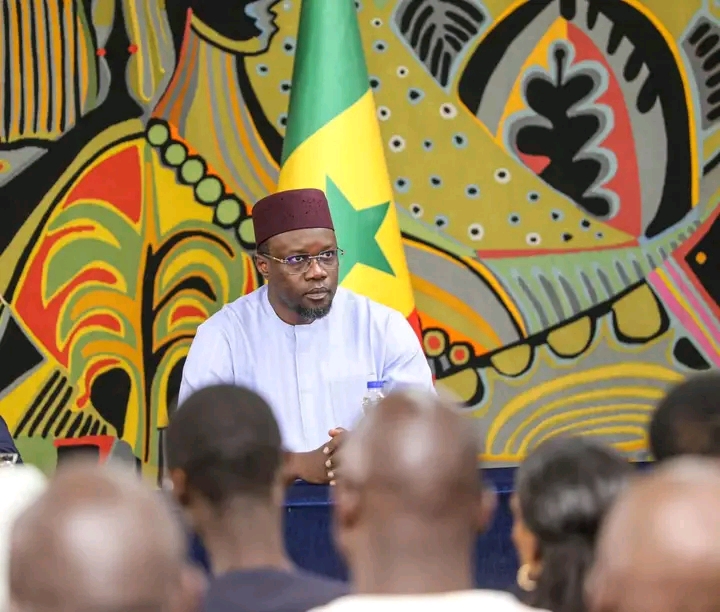
Dakar — Senegal’s Prime Minister Ousmane Sonko has publicly distanced himself from President Bassirou Diomaye Faye on the contentious issue of political slush funds, declaring a fundamental disagreement over how these resources should be managed. In a rare display of dissent within the ruling coalition, Sonko challenged the President’s stance, stating:
«I disagree with the President on this matter. I believe he has erred in his assessment, and I remain hopeful he will reconsider.»
The Prime Minister, a vocal advocate for fiscal accountability, emphasized that his coalition’s original mandate was never to eliminate these funds entirely, but to eradicate their misuse. «No hidden cash reserves, funded by Senegalese taxpayers, should remain unchecked in the hands of a single individual,» he asserted.
Unveiling new transparency measures, Sonko disclosed that the Prime Minister’s Office alone holds 1.77 billion FCFA in political funds. These resources, he argued, must no longer serve as «election war chests or personal enrichment tools,» but should instead be subject to rigorous oversight. His proposal includes following the French model of parliamentary scrutiny, where a restricted committee of lawmakers would verify that allocated funds are used as intended.
While acknowledging the necessity of confidentiality for certain defense-related budgets, Sonko insisted that «the amounts approved must align with their designated purposes.» To set an example, he announced the abolition of cash transactions in favor of digital transfers and checks for managing his own office’s funds. «This is a matter of principle,» he declared to applause from legislators. «The funds will remain, and I have no objection to increasing them—provided they are properly controlled.»
Transparency reforms gain momentum amid political tensions
The Prime Minister’s remarks come at a time of heightened scrutiny over government spending in Senegal. His alignment with anti-corruption advocates contrasts with broader debates over fiscal policy, where public trust in institutional transparency remains a pressing concern.
Note: This report reflects developments as confirmed by official statements.
