Soaring election costs lock out Mali opposition
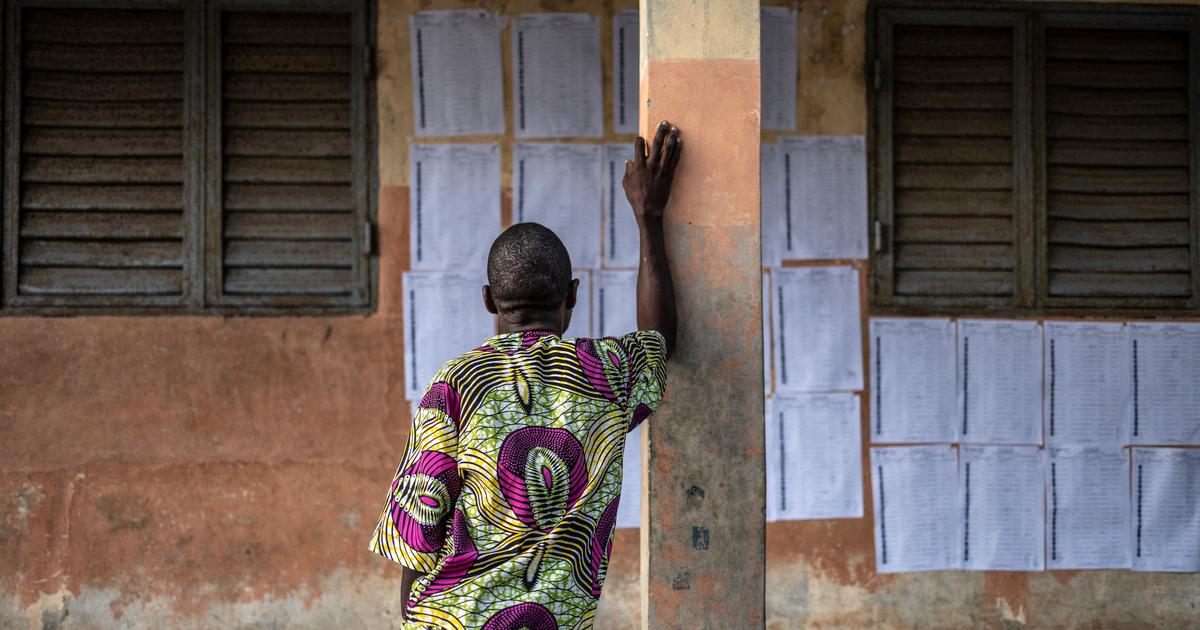
“Predetermined outcomes”, “one-sided contests”, “incumbents coasting to victory”. The 2025 presidential elections across West Africa followed a troubling pattern: opposition candidates were systematically sidelined before campaigning even began. Recent cases include Djibouti’s April 10 vote, where incumbent Ismaïl Omar Guelleh secured a sixth term with 97.8% of ballots, and Bénin’s April 12 election, where Romuald Wadagni—anointed successor to Patrice Talon—won 94% of votes. Exorbitant nomination fees emerged as the decisive barrier for challengers.
financial barriers strangling democracy
In Djibouti, opposition figure Alexis Mohamed abandoned his candidacy after citing both safety concerns and prohibitive “candidacy fees”. Analysts now describe the vote as “a mere formality”, a verdict echoed across the region. The pattern reveals how financial hurdles are weaponized to neutralize political rivals long before polling stations open.
why exorbitant fees silence dissent
Nomination costs in several West African nations have skyrocketed beyond the reach of most opposition groups. In Mali, for example, aspiring candidates now face fees that dwarf average annual incomes, effectively shutting out grassroots contenders. Observers warn this trend erodes electoral integrity by confining competition to a narrow elite.
- election credibility: inflated fees create an uneven playing field where only wealthy insiders can participate
- voter disenfranchisement: marginalized groups lose representation as viable candidates disappear from ballots
- international scrutiny: watchdogs increasingly question whether such elections meet democratic standards
The phenomenon transcends borders. From Bénin to Djibouti, the same pattern repeats: incumbent victories sealed by procedural barriers rather than genuine voter preference. With opposition voices muted by financial constraints, the continent’s democratic experiment faces fresh doubts.
