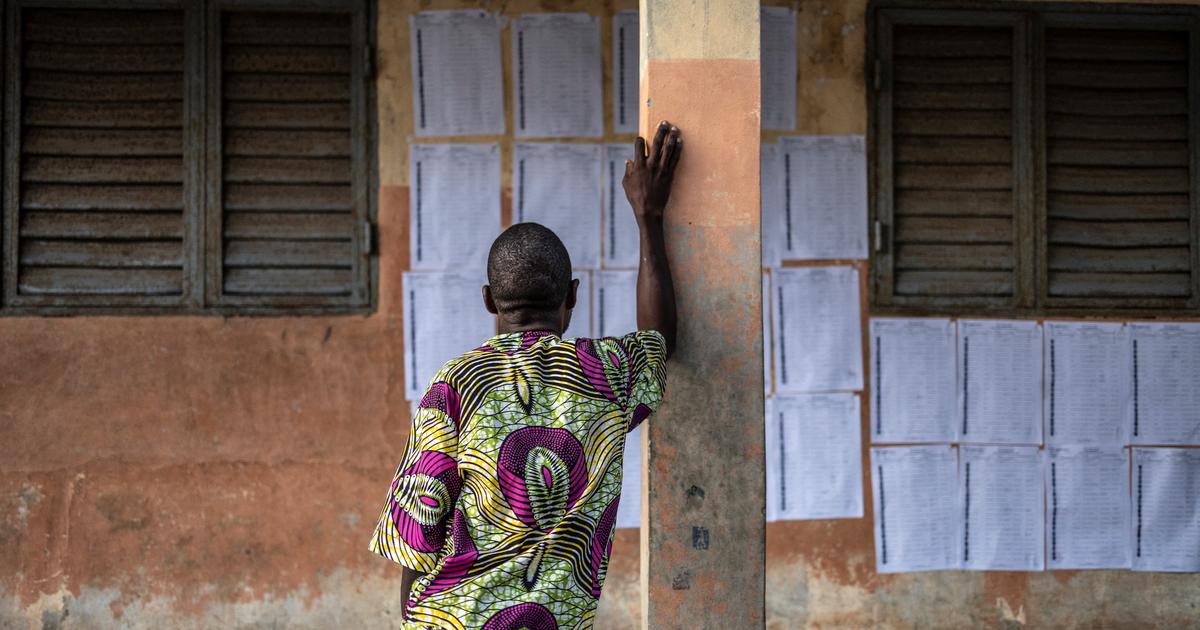
Soaring election costs lock opposition out of african polls
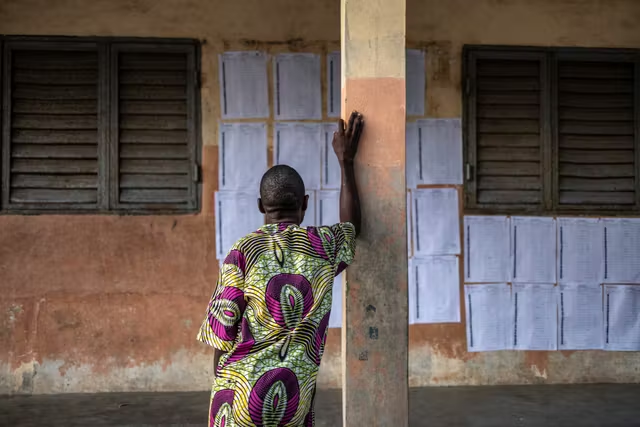
“Preordained victories”, “uncontested polls”, “incumbent presidents winning outright in the first round”— these phrases have become increasingly common in African electoral landscapes. The continent’s 2025 presidential elections followed a disturbing pattern: opposition forces were systematically sidelined before campaigning even began.
Recent contests in Djibouti (April 10) and Benin (April 12) exemplified this trend. In Djibouti, incumbent President Ismaïl Omar Guelleh secured a sixth term with 97.8% of votes, while in Benin, Romuald Wadagni—handpicked successor to Patrice Talon—claimed victory with 94% of ballots cast. Both outcomes featured virtually no genuine political competition.
when money decides elections
In Djibouti, opposition leader Alexis Mohamed withdrew his candidacy, not due to lack of support but because of insurmountable financial barriers. While he cited safety concerns as a factor, “nomination fees” emerged as the decisive obstacle. Many observers now describe such elections as “purely ceremonial exercises” where financial power trumps democratic competition.
Across Africa, candidates face exorbitant campaign costs that systematically exclude opposition figures. These inflated fees—often amounting to millions of local currency units—function as deliberate mechanisms to stifle political diversity. When viable challengers cannot afford to run, elections lose their competitive edge, reducing the process to a formality that legitimizes continued incumbency.
