Senegal’s special funds: balancing transparency and national security needs

Malick Sall Governance and public affairs consultant
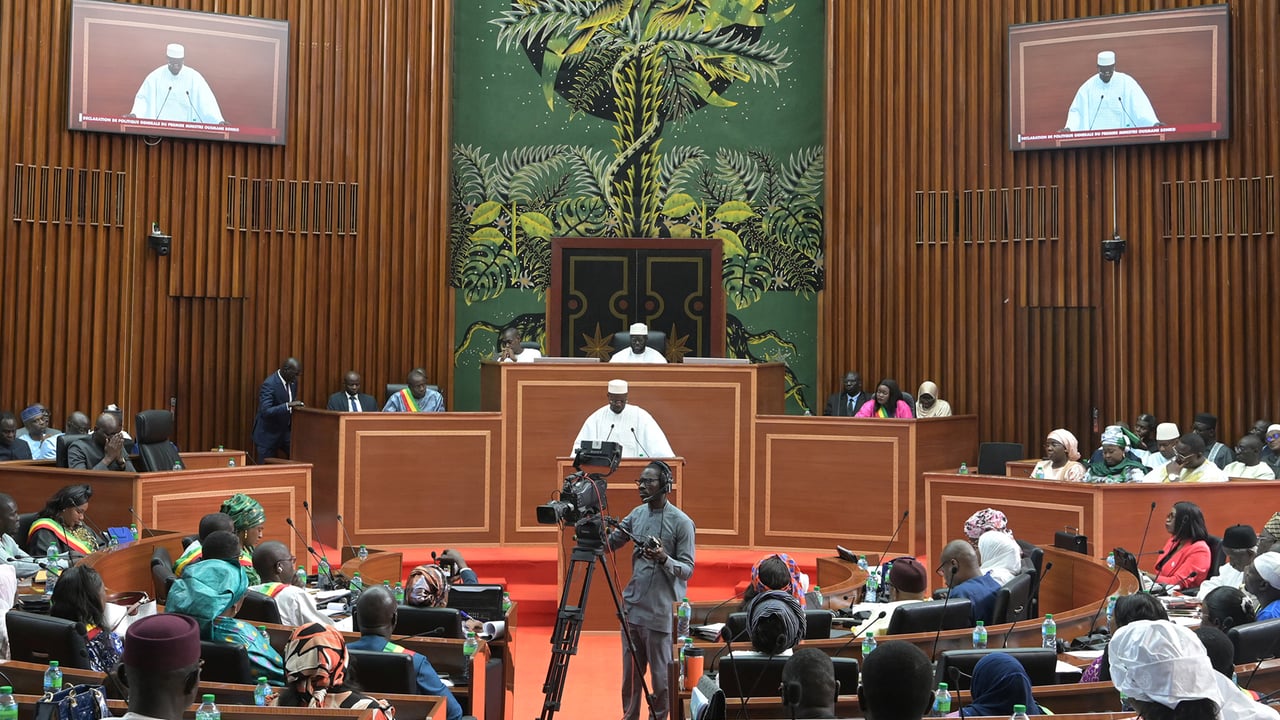
The debate surrounding Senegal’s special funds has intensified following Prime Minister Ousmane Sonko’s recent announcement. On December 27, 2024, during a policy address to legislators in Dakar, he revealed plans to introduce legislation aimed at repealing a contentious amnesty law enacted under former President Macky Sall. This law had granted immunity for violent political unrest, sparking widespread controversy.
Why special funds remain a sensitive topic
Special funds in Senegal have long operated under strict confidentiality protocols. These financial reserves, managed outside the standard budgetary framework, are designed for urgent and sensitive state needs. Critics argue that such opacity fuels suspicion, while proponents emphasize their necessity for national security and crisis response.
The recent push to abolish the amnesty law highlights deeper tensions over governance transparency. Supporters of the move contend that accountability must prevail, especially after years marked by political strife. Opponents, however, warn that dismantling these mechanisms without adequate safeguards could undermine the state’s ability to respond swiftly to unforeseen challenges.
Legal and political implications
The proposed legislation represents a pivotal moment in Senegal’s political landscape. By targeting the amnesty law, the government signals a commitment to addressing past grievances while navigating the complexities of transitional justice. Yet, the move also raises critical questions about the future of special funds.
Legal experts note that special funds serve purposes beyond mere financial secrecy. They often fund covert operations, emergency interventions, or sensitive diplomatic initiatives. Removing their protected status could expose these activities to public scrutiny, potentially disrupting ongoing operations.
The political fallout is equally significant. The decision to repeal the amnesty law has divided public opinion, with some lauding it as a step toward justice and others fearing it may destabilize the country’s fragile post-crisis stability. The government faces the challenge of balancing transparency with the pragmatic need for discretion in certain domains.
The role of special funds in Senegal’s governance
Special funds are not unique to Senegal but are a common feature in many governments worldwide. They allow for rapid deployment of resources without the bureaucratic delays inherent in standard budgetary processes. In Senegal, these funds have been instrumental in addressing crises ranging from security threats to public health emergencies.
However, their use has also been scrutinized. Reports of mismanagement and lack of oversight have periodically surfaced, fueling calls for greater accountability. The current debate underscores the need for a framework that ensures both efficiency and transparency in their administration.
Public reaction and future outlook
The announcement has elicited mixed reactions. Civil society groups and opposition parties have welcomed the move as a victory for democratic principles. Meanwhile, security analysts caution that excessive transparency could compromise national interests, particularly in an era of rising regional instability.
The government’s next steps will be closely watched. Will it introduce robust oversight mechanisms to accompany the repeal of the amnesty law? Can it strike a balance between openness and the operational confidentiality essential for certain state functions? These questions will shape the trajectory of Senegal’s governance model in the years ahead.
The stakes are high. The decisions made today will determine whether Senegal can reconcile its commitment to transparency with the exigencies of effective governance. One thing is certain: the conversation around special funds is far from over.
By Maimouna Kaboré — Editor-in-Chief

Maimouna Kaboré
Journalist