Senegal’s quest for debt solutions beyond the IMF
Senegal’s quest for debt solutions beyond the IMF
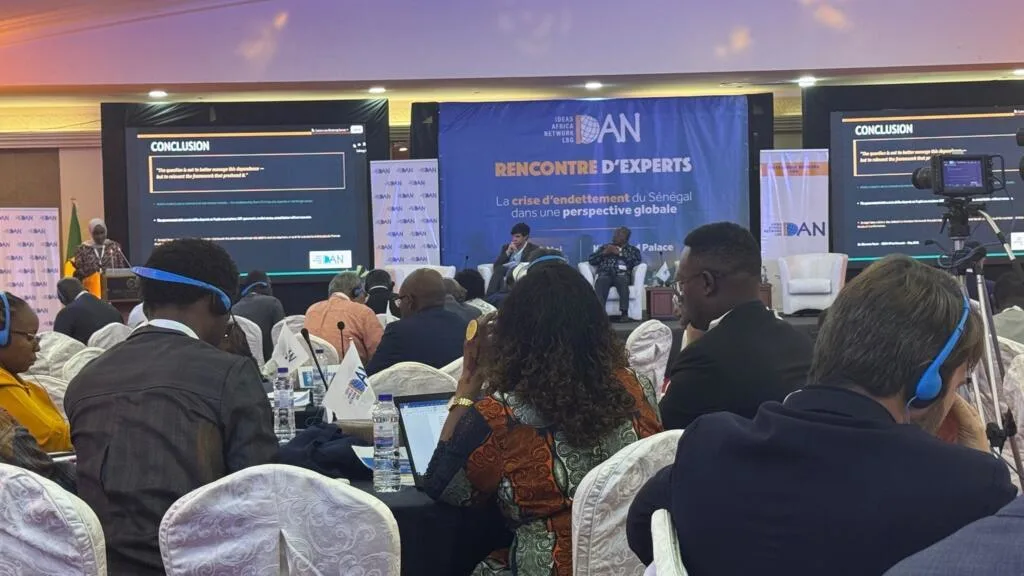
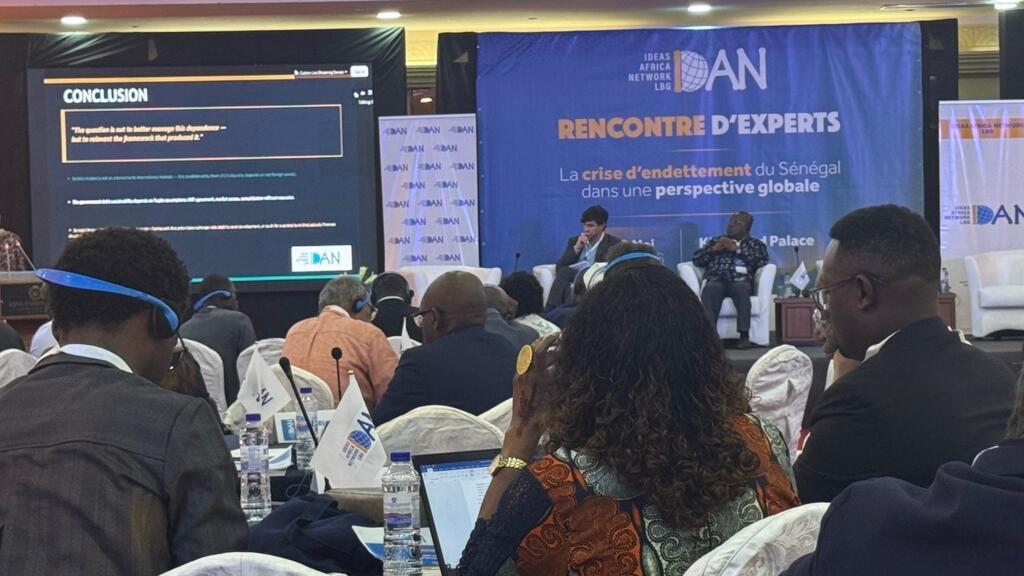
In Dakar, a significant conference addressing the debt crisis, initially planned under the patronage of Prime Minister Ousmane Sonko, saw his absence due to illness, as confirmed by Justice Minister Yacine Fall.
Representing the Prime Minister, Ayib Daffé, who chairs the parliamentary group of the African Patriots of Senegal for Work, Ethics, and Fraternity (Pastef), emphasized the urgent need to “broaden perspectives” and “break free from singular thinking.” This statement implicitly challenged the International Monetary Fund (IMF)’s proposal for debt restructuring – a renegotiation of loan terms when repayment becomes impossible – an option that Senegal has rejected.
“Alternatives are essential”
All economists attending this pivotal conference unequivocally stated that Senegal’s external debt is unsustainable, a position contrary to earlier assurances from government authorities. They stressed the critical importance of rapidly identifying viable solutions. Economist Souleymane Bah highlighted that the nation’s current state revenues are insufficient to cover both the principal and interest payments owed to foreign creditors.
“The government’s current income streams are inadequate to service both the principal and interest,” he explained. “Typically, the approach to this external debt has been to borrow more to repay existing loans. With interest rates continuously climbing, this is clearly not a sustainable solution. We must explore other alternatives.”
The core objective of this conference, organized by the Ideas Africa Network think tank, is precisely to explore these alternative solutions, as they believe the IMF’s proposals do not offer an effective path forward.
Ndongo Samba Sylla, an economist and researcher with Ideas Africa Network, asserted, “The IMF’s approach fundamentally opposes economic transformation. It is a purely accounting-driven and pro-creditor methodology. The IMF prioritizes lending you money so you can signal your ability to borrow again and pay creditors, rather than investing in genuine economic transformation.”
Among the innovative strategies discussed were reforming the monetary system, considering a departure from the Franc CFA, and advocating for the cancellation of a portion of the debt deemed “illegitimate” due to its opaque contracting by the previous administration without proper declaration.
However, a potential contradiction emerged within the ruling coalition. While experts in Dakar, under the patronage of Prime Minister Ousmane Sonko, were deliberating on solutions independent of the International Monetary Fund, President Bassirou Diomaye Faye was simultaneously in Nairobi, Kenya, meeting with IMF Director Kristalina Georgieva. This meeting, for now, has not yielded any significant breakthroughs.
