Senegal’s debt crisis sparks heated debate on sustainable solutions
Expert voices challenge IMF’s role in Senegal’s debt dilemma
In Dakar, economists and policymakers are locked in intense discussions about Senegal’s mounting debt crisis, with sharp criticism directed at the International Monetary Fund (IMF) and calls for sustainable alternatives to austerity measures.
Dakar conference highlights urgent need for debt reform
The two-day International Conference on Debt in Senegal—titled “Senegal’s Debt Crisis: Toward Sustainable and Progressive Solutions Beyond IMF Austerity”—has brought together economists, financial analysts, and former ministers to explore viable pathways forward.
IMF policies under scrutiny for worsening debt traps
Ndongo Samba Sylla, Regional Director for Africa at International Development Economics Associates (Ideas), argues that the IMF is not part of the solution but rather a contributor to Senegal’s debt challenges. Speaking before a panel of experts, he stated:
The IMF is not the solution to Senegal’s debt crisis—it is part of the problem. The institution perpetuates external debt traps while prioritizing creditor interests, often aligned with geopolitical strategies of Western powers. Countries with the highest debt burdens tend to be allies of the U.S. and France, reinforcing a system where debt becomes a tool of control. For us, the IMF will never be the answer.
Collective African action proposed as key to debt relief
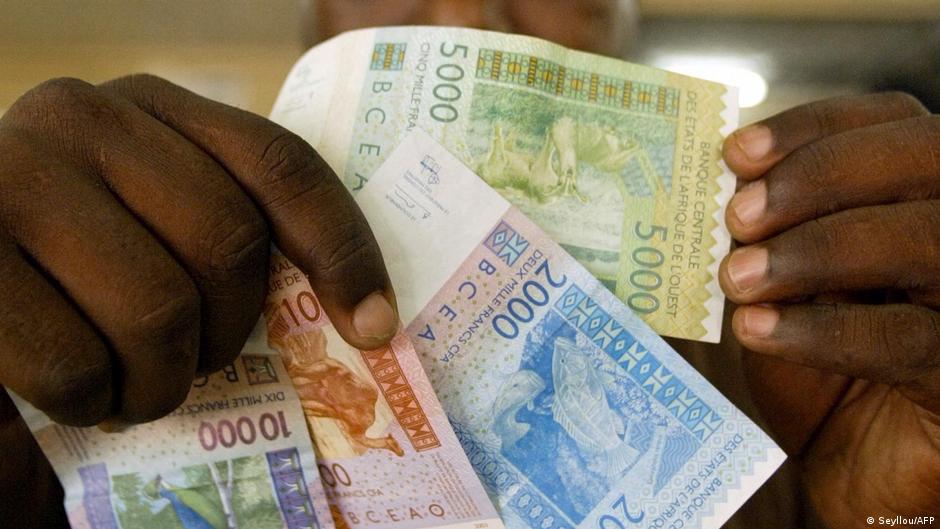
While Sylla emphasized the role of the CFA franc in exacerbating debt struggles, Alioune Tine, founder of the Afrikajom Center, advocates for a broader political solution. He asserts that debt management must be a continental priority:
The debt crisis cannot be resolved in isolation. African nations must unite to collectively reject austerity policies that cripple our economies. Only through collective bargaining can we leverage real change and demand fair financial systems.
Senegal’s debt exceeds 130% of GDP
In late 2024, Prime Minister Ousmane Sonko exposed significant financial irregularities, including hidden debts inherited from the previous administration. The IMF later confirmed Senegal’s debt-to-GDP ratio at over 130%, fueling demands for its cancellation.
Sylla advocates for debt repudiation, arguing:
Illegal debts should not be honored. Even if repayment were justified, a well-functioning central bank could manage debt servicing without crippling national budgets.
Tine, however, urges a pragmatic approach, warning against isolationist tendencies in an interconnected global economy:
We must move beyond outdated notions of sovereignty. Globalization demands collaboration across borders. The power dynamics are complex, and we must address them holistically.
Government unveils measures to curb future debt risks
Pastef-Les Patriotes, the ruling party, has announced reforms to strengthen parliamentary oversight of debt management. Ayib Daffé, leader of the party’s parliamentary group, emphasized the need for:
Stricter parliamentary control over debt and budget execution, ensuring fiscal transparency in all finance laws. This is essential to prevent future crises.
Meanwhile, President Bassirou Diomaye Faye met with IMF Managing Director Kristalina Georgieva in Nairobi during the Africa-France Summit. The goal: to negotiate a sustainable resolution for Senegal, which has grappled with economic instability for over two years.
