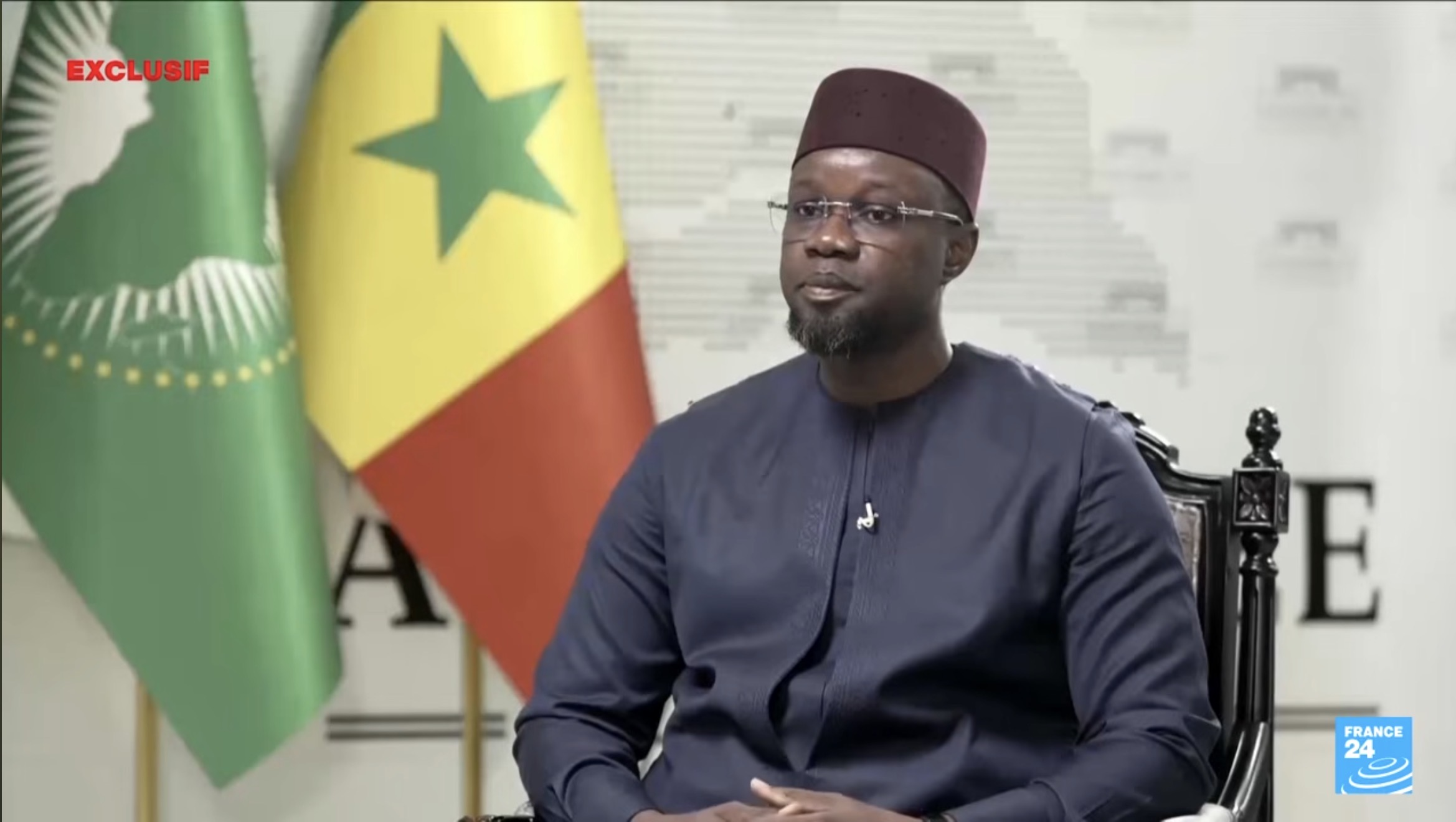
Senegal’s public debt debate: Ousmane Sonko questions ‘odious debt’ concept
In a bold move challenging long-standing economic practices, Ousmane Sonko, President of Senegal’s National Assembly, has reignited discussions about the nation’s public debt, particularly questioning whether portions of inherited liabilities may qualify as « odious debt ».
Speaking as a guest on national airwaves, the PASTEF leader underscored the urgency of transparent financial reporting, arguing that clarity in public finances is essential for restoring credibility and fostering sustainable economic governance. Sonko emphasized that concealing fiscal realities could have further destabilized the country’s already fragile economy.
« We chose to build on solid ground, » he declared, stressing that transparency is not just a policy choice but a strategic necessity for Senegal’s economic recovery and future growth.
While acknowledging the sovereign obligation to honor financial commitments, Sonko proposed a reevaluation of debts contracted under questionable circumstances. He called for an open international dialogue on the definition and treatment of so-called « odious debts »—a legal concept in international law referring to obligations incurred without benefit to the population or under contentious conditions, though its practical application remains widely debated.
Reflecting on his tenure as Prime Minister, Sonko admitted that institutional limitations had previously constrained his ability to fully explore this issue. However, he noted strong alignment with President Bassirou Diomaye Faye on the principles of sound public finance management.
The political figure firmly rejected any abrupt debt restructuring, warning that such measures could erode investor confidence and undermine Senegal’s financial standing, especially with key partners like the International Monetary Fund (IMF). Instead, he advocated for a balanced approach that combines fiscal discipline, economic sovereignty, and targeted structural reforms to drive long-term development.
With the global economy facing persistent volatility and geopolitical strains, the sustainability of Senegal’s public debt remains one of the most pressing economic challenges confronting the nation today.
