
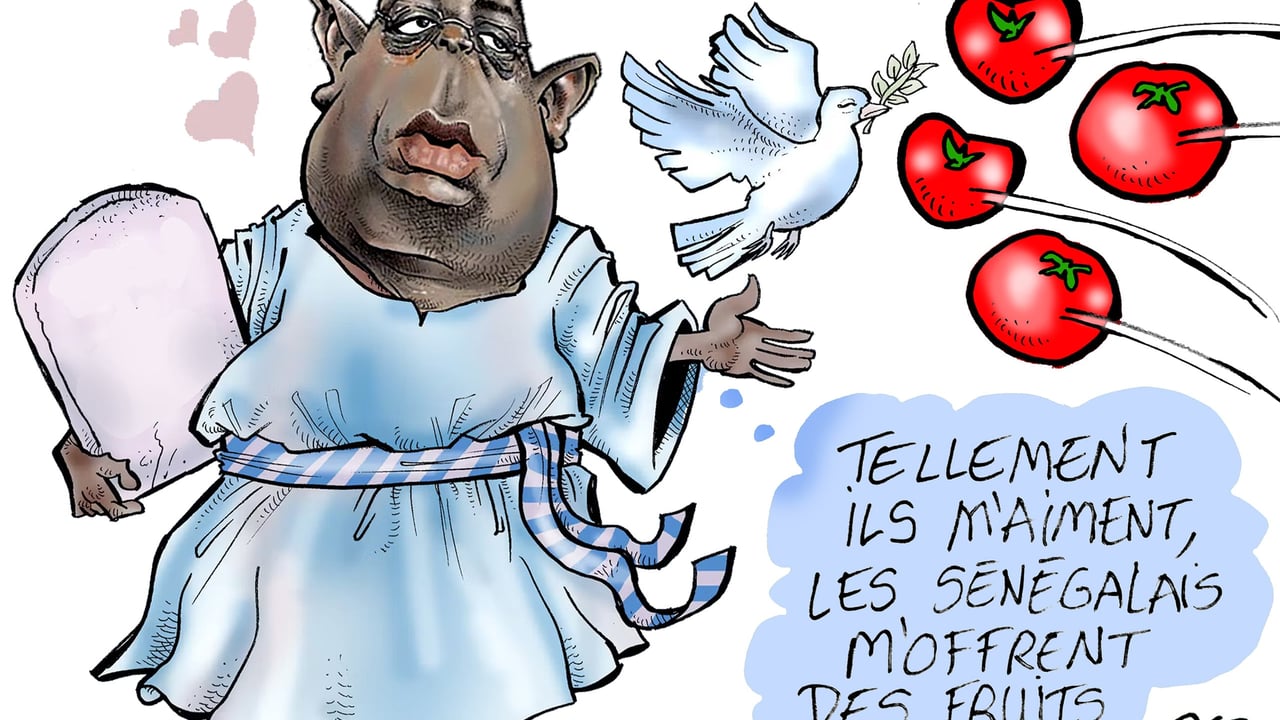
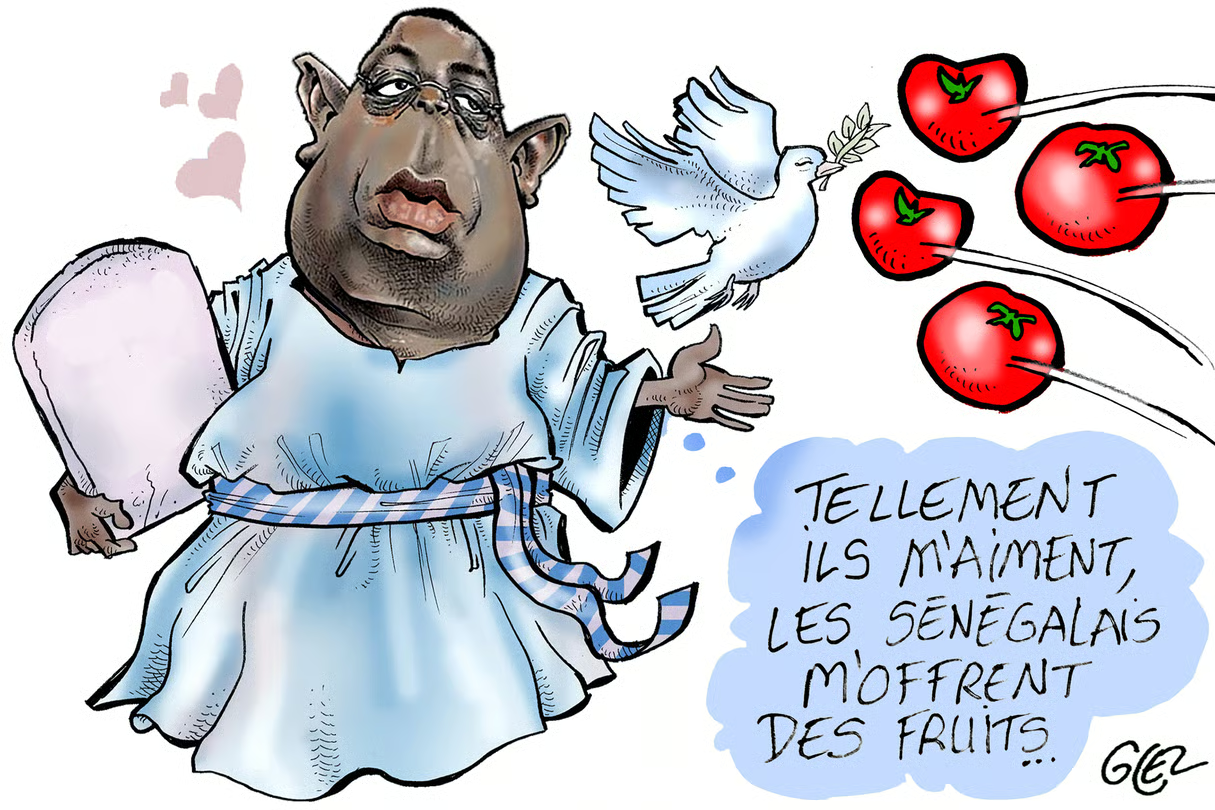
Public sentiment in Senegal has reached a boiling point as President Macky Sall faces unprecedented criticism alongside rising tensions involving President-elect Bassirou Diomaye Faye. The backlash reflects deep frustrations over governance, economic struggles, and political decisions that have divided the nation.
Mass protests have erupted across major cities, with citizens voicing their discontent through strikes, roadblocks, and public demonstrations. The demonstrations highlight a growing divide between the government and the population, particularly among youth and opposition groups who demand accountability and systemic change.
Macky Sall, who has been a central figure in Senegalese politics, now finds himself at the center of a storm as his administration grapples with accusations of mismanagement and autocratic tendencies. Meanwhile, Bassirou Diomaye Faye, the newly elected leader, faces the immediate challenge of addressing the mounting public anger while navigating a delicate political transition.
Root causes of the unrest
The current wave of protests stems from a combination of longstanding grievances and recent controversies. Economic hardships, including rising unemployment and cost of living, have fueled public frustration. Additionally, controversial legal and political maneuvers by the outgoing administration have intensified the sense of injustice among citizens.
International implications
The crisis has drawn attention from global observers, including the United Nations, which has called for restraint and dialogue. International partners are closely monitoring the situation, concerned about its potential impact on regional stability in West Africa.
What happens next?
The path forward remains uncertain as both leaders weigh their options. Will Macky Sall heed the calls for reform, or will the pressure force an early exit? For Bassirou Diomaye Faye, the challenge is to restore confidence while addressing the immediate needs of a restless population. One thing is clear: Senegal stands at a crossroads, and the decisions made in the coming weeks will shape the country’s future for years to come.