
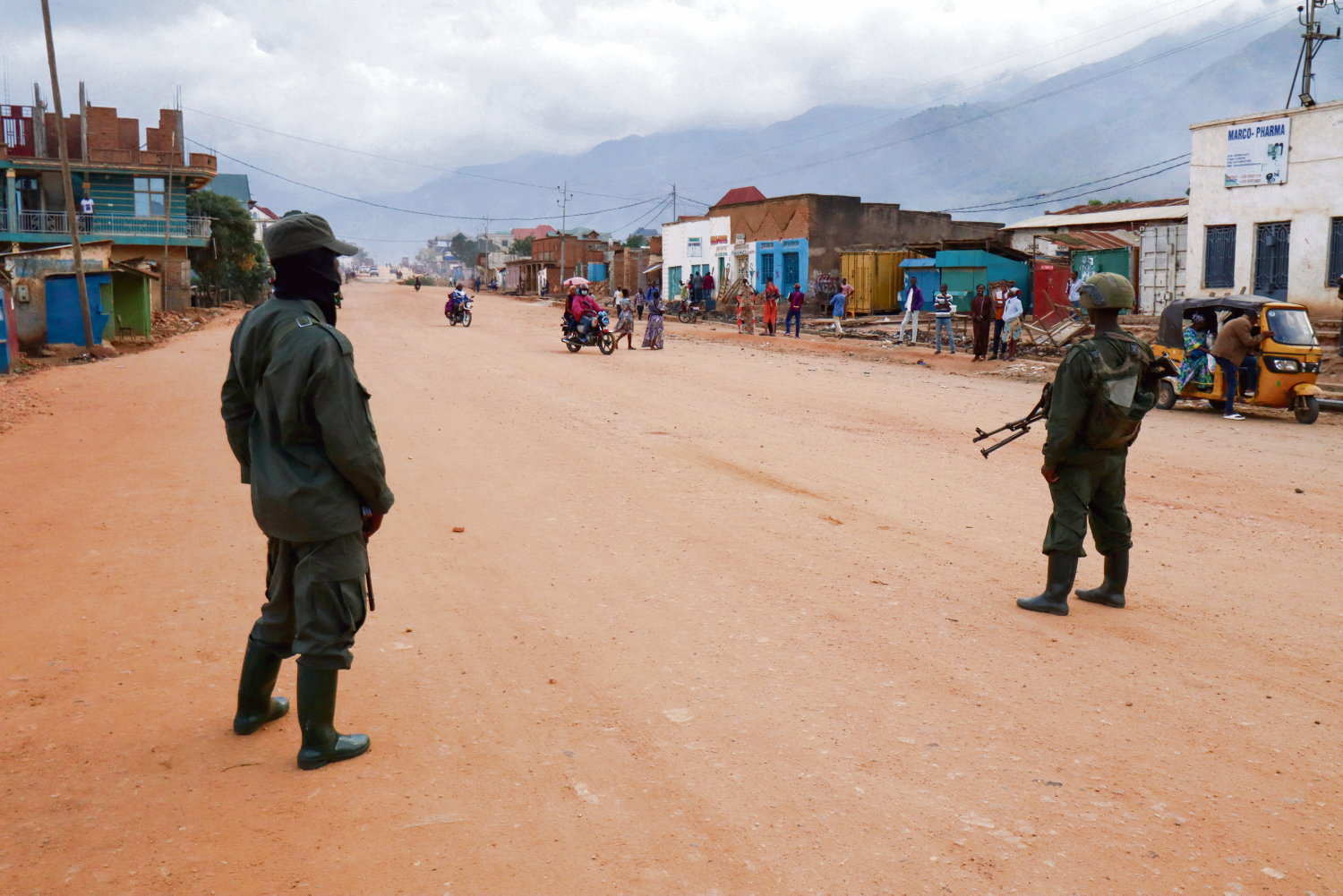
The Washington-brokered peace accord between Kinshasa and Kigali faces mounting challenges. Renewed clashes over strategic areas in North and South Kivu have intensified, rendering US sanctions ineffective and exposing the limits of inconsistent diplomacy.
The June 27, 2025 agreement—officially titled the Washington Accord—required Rwanda to withdraw its troops from eastern Democratic Republic of the Congo (DRC), where it backs the Congolese politico-military group Alliance du fleuve Congo/M23 (AFC/M23). Yet the group maintains control over most of North and South Kivu provinces.
Despite assurances from US Secretary of State Marco Rubio that implementation would begin by mid-July, the peace process remains stalled. In fact, fighting has escalated across eastern DRC, undermining fragile ceasefire efforts.
Diplomatic stalemate amid renewed violence
Washington’s diplomatic intervention aimed to stabilize the region, but persistent insecurity has rendered key provisions of the accord unenforceable. The AFC/M23 continues to hold territory despite sanctions targeting Rwandan support, and local communities bear the brunt of escalating hostilities.
Humanitarian crisis deepens as clashes persist
Civilian displacement in North and South Kivu has surged, with aid organizations warning of a worsening humanitarian emergency. The failure to implement the Washington Accord has left civilians trapped between armed factions, with no clear path toward lasting peace.
Related keywords