Senegal’s PM warns of fuel price hike amid global oil crisis
Fuel prices set to rise in Senegal as global oil markets surge
Senegal’s Prime Minister Ousmane Sonko has sounded the alarm on a potential spike in fuel prices, driven by escalating international tensions. The warning comes as the government braces for significant economic repercussions, including reduced purchasing power for citizens.
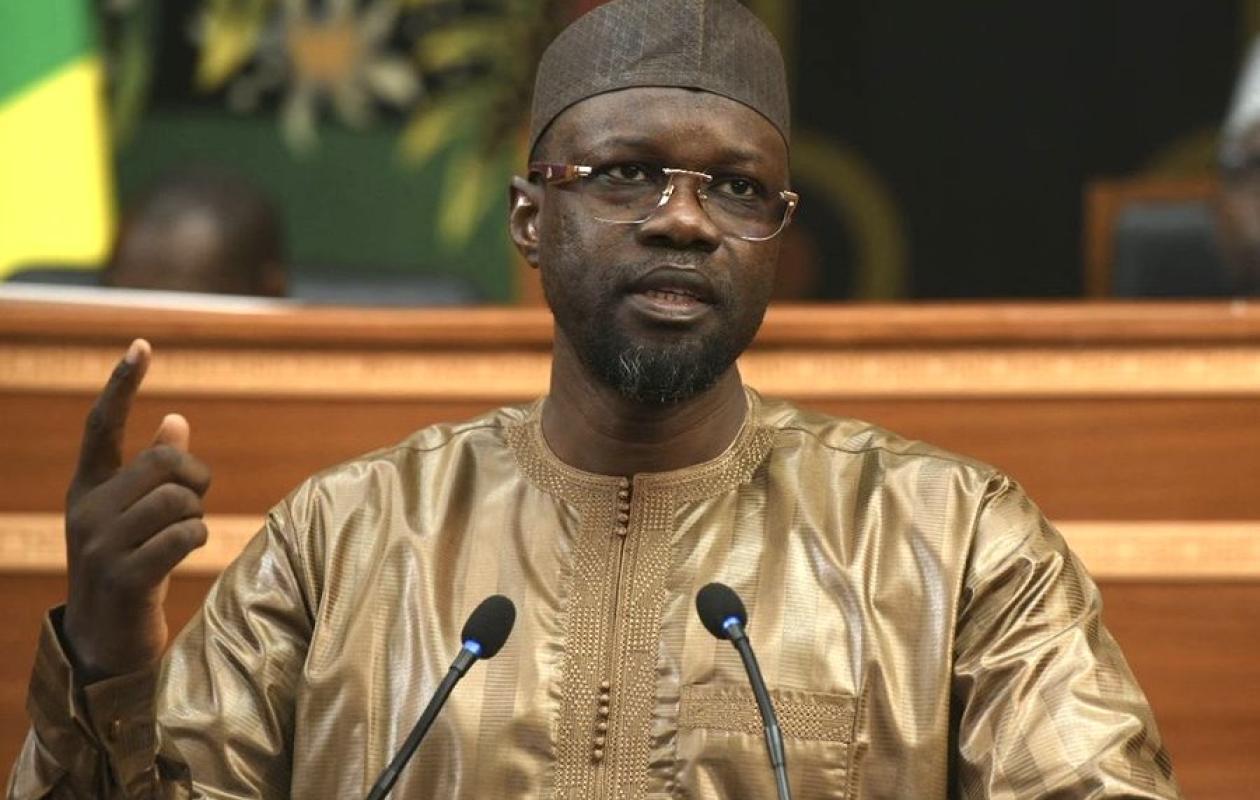
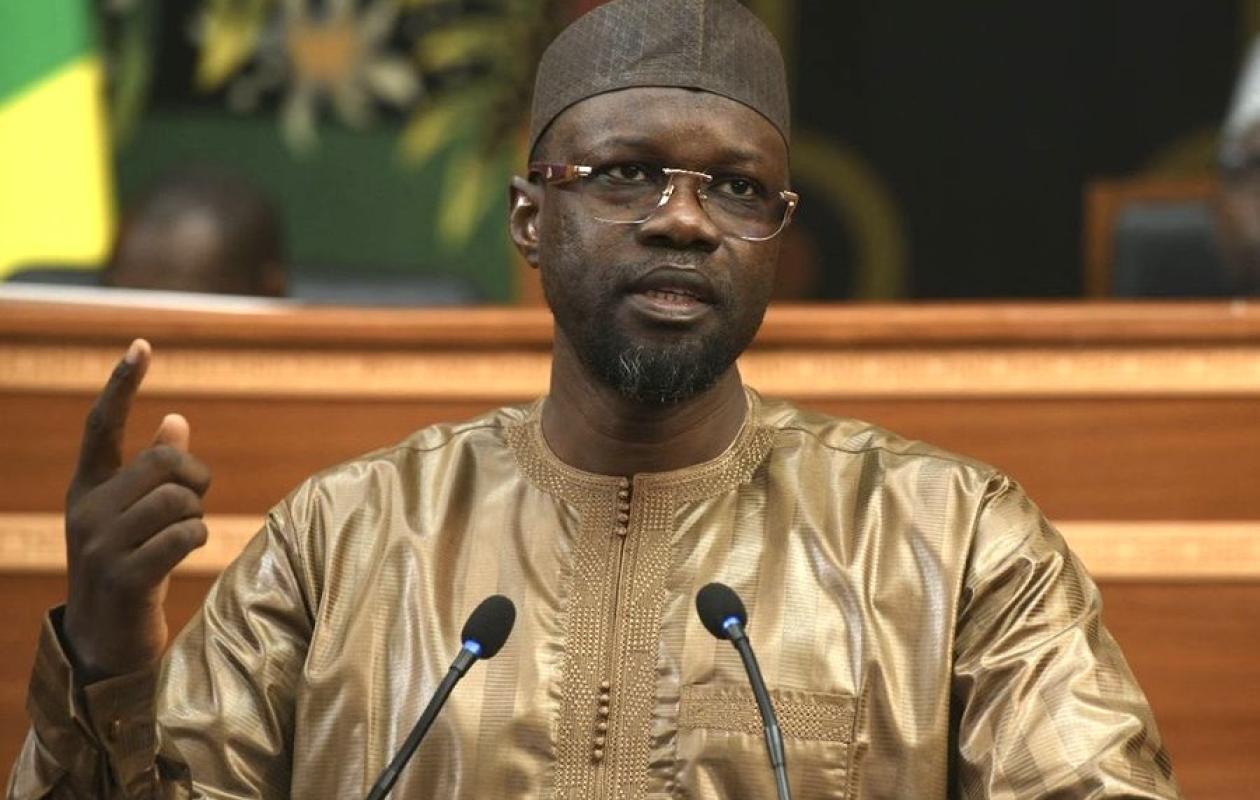
During a heated parliamentary session, Prime Minister Ousmane Sonko addressed concerns over a potential fuel price adjustment in Senegal. Speaking from the National Assembly floor, he highlighted the urgency of the situation, emphasizing that global instability—particularly in the Middle East—has triggered a sharp rise in crude oil prices.
The government’s initial budget forecasts, Sonko noted, were based on outdated oil price assumptions, leaving public finances vulnerable to external shocks. “This is a dual crisis,” he stated. “Many nations have already adjusted pump prices, and Senegal cannot remain isolated from these changes.”
Beyond fuel: ripple effects on the economy
National economy under strain
The Prime Minister drew attention to broader economic fallout, including rising insurance costs for vessels transporting fuel from the Gulf region. He projected that energy subsidies could balloon to over 1,000 billion FCFA, consuming a substantial portion of the national budget.
Balancing economic pressures and social priorities
While reaffirming the government’s commitment to safeguarding citizens’ purchasing power, Sonko acknowledged the limits of fiscal resilience. “We will do everything possible to mitigate the impact,” he said, “but we must be realistic. No nation can absorb infinite external shocks.”
He cautioned that tough decisions lie ahead, stressing the need for prudence in managing public resources during this volatile period.
Agricultural subsidies in the crosshairs
The Prime Minister also addressed inefficiencies in Senegal’s agricultural subsidy program, currently valued at around 130 billion FCFA. He announced plans to shift funding toward mechanization and water infrastructure, aiming to boost year-round agricultural productivity and reduce wasteful spending.
