Senegal’s Pastef party pushes for constitutional amendments and secret funds oversight
Senegal’s Pastef party pushes for constitutional amendments and secret funds oversight
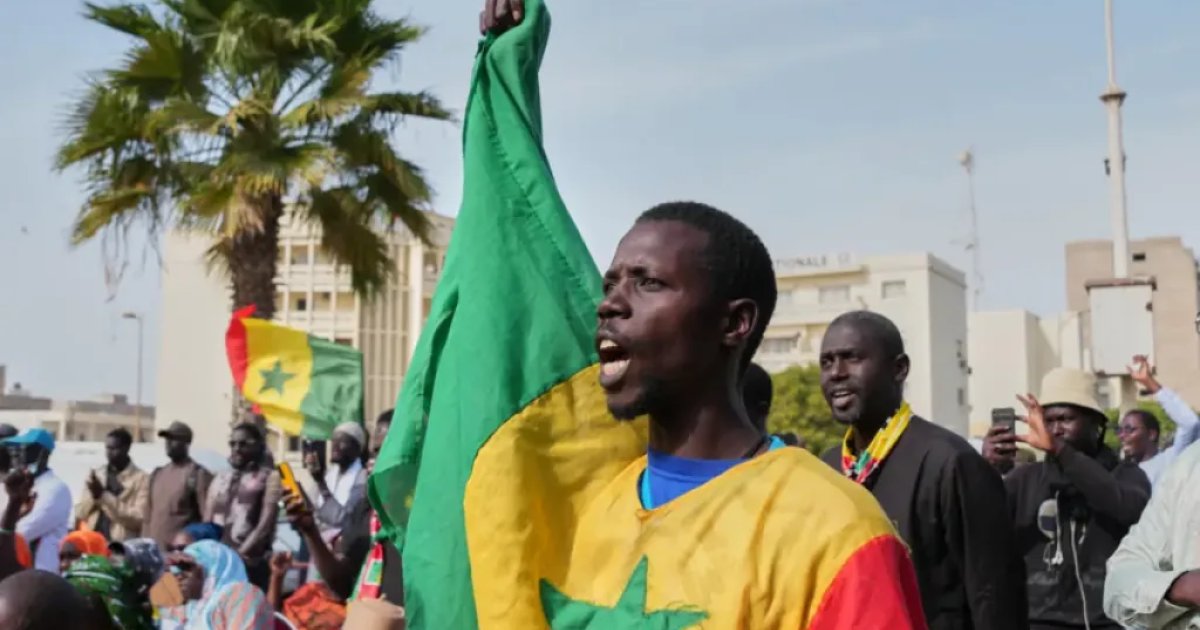
Ousmane Sonko, the President of the National Assembly, inaugurated the year’s inaugural extraordinary parliamentary session in Senegal on Monday, August 10. Legislators are scheduled to deliberate on five distinct legislative proposals over a fortnight. Among these are two urgent bills introduced by the ruling Pastef majority, which lie at the heart of the ongoing political friction between the Prime Minister’s faction and that of President Bassirou Diomaye Faye.
SOMMAIRE
This extraordinary session unfolds against a backdrop of heightened political tension. Notably, the Pastef party is reintroducing a proposal to amend Article 37 of the Constitution. This revision would mandate the head of state to declare their assets not only upon assuming office but also at the conclusion of their tenure, aiming for greater accountability.
The very same provision was initially part of a constitutional overhaul approved by deputies in late June. However, the Constitutional Council subsequently invalidated that text, delivering a significant setback to Ousmane Sonko’s political faction. This new parliamentary initiative represents a fresh attempt to enact this crucial reform, albeit in a revised format.
The second key legislative proposal championed by the majority focuses on what are commonly known as “secret funds” or special appropriations. These financial allocations, designated for the presidency and the prime minister’s office, could be subjected to enhanced scrutiny, potentially through the establishment of a specialized, restricted parliamentary commission.
Oversight of special funds: at the heart of the disagreement
The management and control of these particular funds have emerged as a primary point of contention between Ousmane Sonko and Bassirou Diomaye Faye. This dispute was a contributing factor to the significant rift that developed between the two prominent political figures last May.
Moussa Diaw, a professor of political science at Gaston Berger University in Saint-Louis, interprets these legislative efforts as a clear indication of Pastef’s determination to compel the President towards greater transparency and robust financial accountability. The academic also observes a connection between this parliamentary push and President Bassirou Diomaye Faye’s recent establishment of his new political entity, Kiiraay.
These two politically charged bills are slated for examination under an expedited procedure. Nevertheless, their ultimate passage hinges on the precise outcomes of the parliamentary debates and, crucially, on the subsequent review and validation by the Constitutional Council.
Beyond these two central proposals, the session’s agenda also includes three additional government-sponsored bills. These encompass reforms to the Social Security Code, revisions to the Labor Code, and new legislation pertaining to digital security.
The digital security legislation comes in the wake of a series of cyberattacks that have targeted various Senegalese public institutions. Since October, at least three key institutions, including the Public Treasury, have reportedly been compromised. The proposed law aims to establish a comprehensive framework designed to bolster the protection of the state’s critical digital infrastructure and sensitive data.
