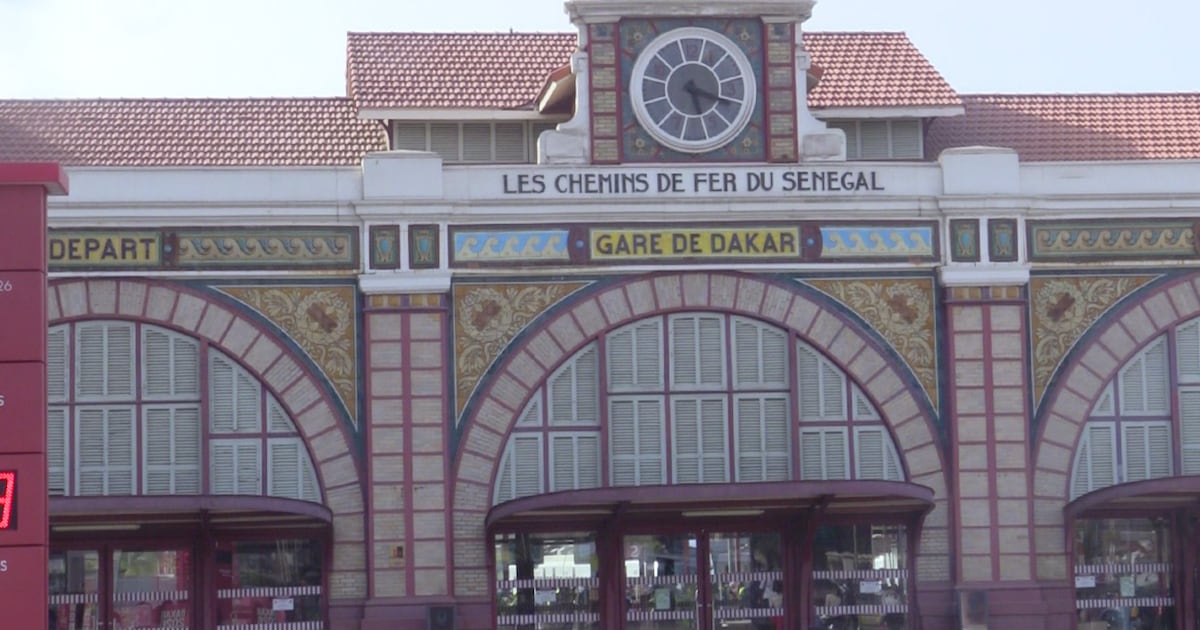
Senegal’s historic train stations: preserving the legacy of Dakar and Rufisque
While the introduction of the Train Express Régional (TER) brought significant upgrades, the essential character of Sénégal’s rail infrastructure remains unchanged. This deliberate preservation effort ensures that vital pieces of national history are both protected and celebrated.
The colonial roots of Dakar and Rufisque stations
The Dakar station, established in 1914, served as the primary hub for the Dakar-Niger railway for many decades. Long before the nation gained independence, it was a symbol of economic progress and trade across French West Africa. Similarly, the Rufisque station played a pivotal role as a commercial center for the peanut industry, connecting maritime ports to the country’s interior regions.
Following a long period of neglect where road transport overshadowed rail, these two landmarks were revitalized through the TER initiative launched in 2019.
A living museum for future generations
The historic walls of these buildings continue to enchant locals and visitors alike. For many, these sites represent far more than transit points; they are a legacy to be passed down. Amadou Diallo, a resident of Dakar, emphasizes that maintaining the original design is crucial for collective memory. He views these structures as an open-air history book. According to Diallo, the decision by UNESCO to recognize sites like the Dakar and Rufisque stations as protected heritage ensures that children born after independence can still connect with their history.
Moustapha Fall, a frequent traveler, notes that the architectural beauty has become a tourist draw in its own right. He observes that while some areas have seen modern updates, the preservation of colonial-era styles provides insight into the lifestyles and construction methods of previous eras. The aesthetic appeal is so strong that many visitors stop by simply to capture photographs of the iconic buildings.
Bridging the gap between past and future
Now officially recognized as historic monuments in Sénégal, these stations represent a successful merger of tradition and progress. In fact, Old Rufisque has been on the UNESCO World Heritage tentative list since 2005, highlighting its significant architectural value.
For traveler Victor Hugo Manga, this conservation effort is about maintaining a thread between generations during a time of rapid modernization. He believes that daily commuters and tourists can learn the story of the land through these ancestral gems. With the TER’s arrival, keeping this historical narrative alive allows students to understand the evolution of their society and the lives of their ancestors.
Ultimately, the stations of Dakar and Rufisque stand as enduring symbols of identity. By balancing the efficiency of the modern TER with the charm of century-old architecture, Sénégal ensures its collective memory remains vibrant and intact.
