Senegal’s future needs women’s leadership, rflD insists
Read aloud3 min listen
In Dakar on May 19, 2026, the Network of Women Leaders for Development (RFLD) passionately advocated for enhanced representation of women in pivotal decision-making roles across Senegal’s institutions and political structures. This move aims to ensure their comprehensive engagement in the nation’s ongoing development and progress.
Bator Seck, president of the RFLD in Senegal, articulated a clear vision: “Democracy remains incomplete as long as women are underrepresented in decision-making bodies. Senegal’s political trajectory cannot be forged without women. It is no longer about building for women, but actively building with them.”
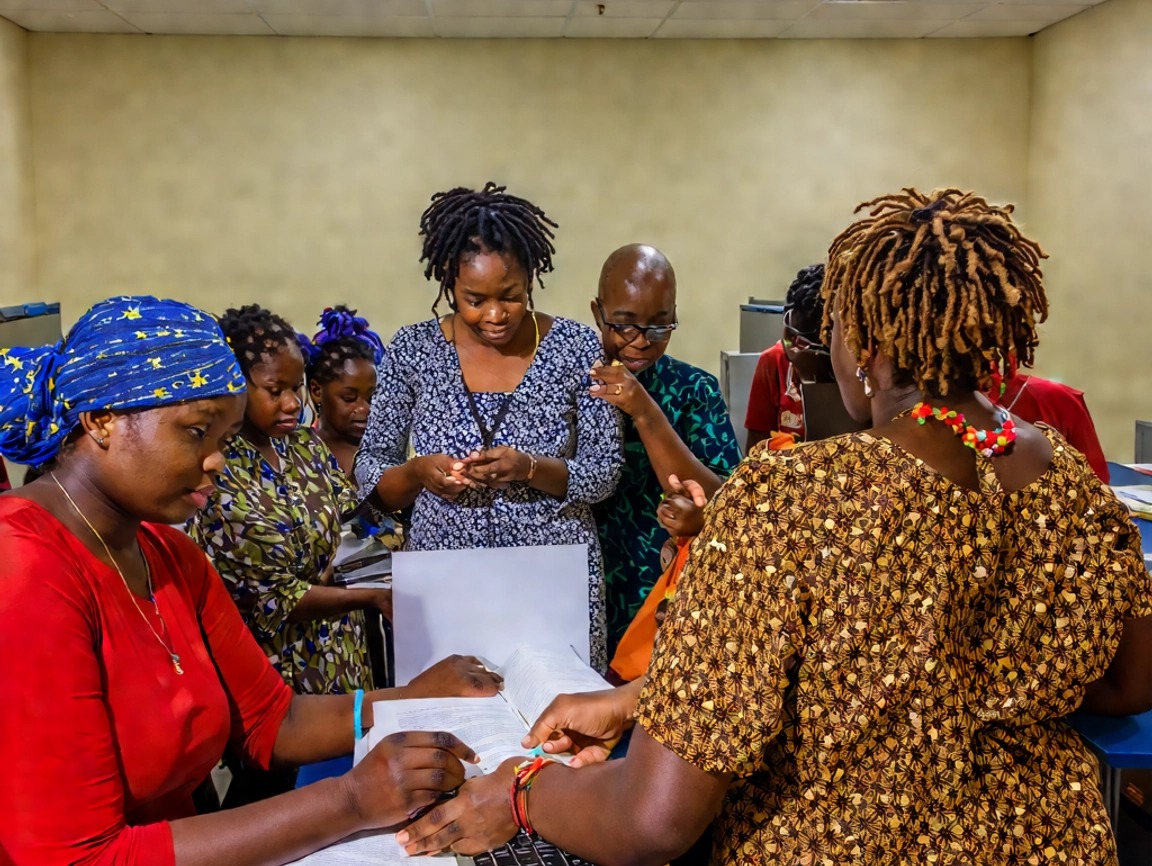
Her remarks inaugurated a significant seminar focused on women’s political participation in Senegal, an event orchestrated by the RFLD. This influential pan-African feminist network also extends its reach to Ghana, The Gambia, and Benin.
The organization undertakes critical legislative advocacy, community mobilization, and the funding of local initiatives. Furthermore, it champions women’s rights, sexual and reproductive health, civic engagement, and climate justice.
A concerning decline in female representation
Ms. Seck highlighted Senegal’s esteemed position as a benchmark in West Africa for advancing women’s rights. She cited the landmark 2010 parity law, the 2001 Constitution enshrining gender equality, and the nation’s ratification of numerous international human rights conventions as key achievements.
However, she cautioned that “behind these significant strides, the realities remain troubling.” Ms. Seck pointed to the snap legislative elections held on November 17, 2024, which revealed a regression in female representation within the National Assembly, dropping from 44.2% to 41%. “Even more alarming,” she lamented, “only 13% of party list leaders were women.”
Bator Seck also expressed concern over the scarcity of women in local governance. She noted that merely 18 out of 558 communes are led by women, and only three women preside over Senegal’s 43 departmental councils. This situation, she argued, underscores persistent structural barriers, cultural resistance, and deep-seated inequalities in access to power, political funding, and media visibility.
The central role of Senegalese women in societal development
Despite these challenges, Ms. Seck lauded the indispensable role Senegalese women play in society. She emphasized their active contributions to the local economy, education, social advocacy, and peacebuilding efforts.
Mama Diouf Fall, representing the Minister of Family, Social Action, and Solidarity, echoed these sentiments, asserting that women’s political engagement is a vital catalyst for sustainable development, social stability, and robust governance.
In a similar vein, Fatoumata Guèye Ndiaye, Honorary President of the Association of Senegalese Jurists, called for greater access for women to executive positions and leadership roles within political parties. She also advocated for a comprehensive review of the parity law to further expand female presence in all spheres of decision-making.
Bator Seck, president of the RFLD in Senegal, articulated a clear vision: “Democracy remains incomplete as long as women are underrepresented in decision-making bodies. Senegal’s political trajectory cannot be forged without women. It is no longer about building for women, but actively building with them.”
Her remarks inaugurated a significant seminar focused on women’s political participation in Senegal, an event orchestrated by the RFLD. This influential pan-African feminist network also extends its reach to Ghana, The Gambia, and Benin.
The organization undertakes critical legislative advocacy, community mobilization, and the funding of local initiatives. Furthermore, it champions women’s rights, sexual and reproductive health, civic engagement, and climate justice.
A concerning decline in female representation
Ms. Seck highlighted Senegal’s esteemed position as a benchmark in West Africa for advancing women’s rights. She cited the landmark 2010 parity law, the 2001 Constitution enshrining gender equality, and the nation’s ratification of numerous international human rights conventions as key achievements.
However, she cautioned that “behind these significant strides, the realities remain troubling.” Ms. Seck pointed to the snap legislative elections held on November 17, 2024, which revealed a regression in female representation within the National Assembly, dropping from 44.2% to 41%. “Even more alarming,” she lamented, “only 13% of party list leaders were women.”
Bator Seck also expressed concern over the scarcity of women in local governance. She noted that merely 18 out of 558 communes are led by women, and only three women preside over Senegal’s 43 departmental councils. This situation, she argued, underscores persistent structural barriers, cultural resistance, and deep-seated inequalities in access to power, political funding, and media visibility.
The central role of Senegalese women in societal development
Despite these challenges, Ms. Seck lauded the indispensable role Senegalese women play in society. She emphasized their active contributions to the local economy, education, social advocacy, and peacebuilding efforts.
Mama Diouf Fall, representing the Minister of Family, Social Action, and Solidarity, echoed these sentiments, asserting that women’s political engagement is a vital catalyst for sustainable development, social stability, and robust governance.
In a similar vein, Fatoumata Guèye Ndiaye, Honorary President of the Association of Senegalese Jurists, called for greater access for women to executive positions and leadership roles within political parties. She also advocated for a comprehensive review of the parity law to further expand female presence in all spheres of decision-making.
Content syndicationOpen public syndication feed accessible via RSS / XML
