Senegal’s diomaye sonko split puzzles youth activists
Senegal’s diomaye sonko split puzzles youth activists
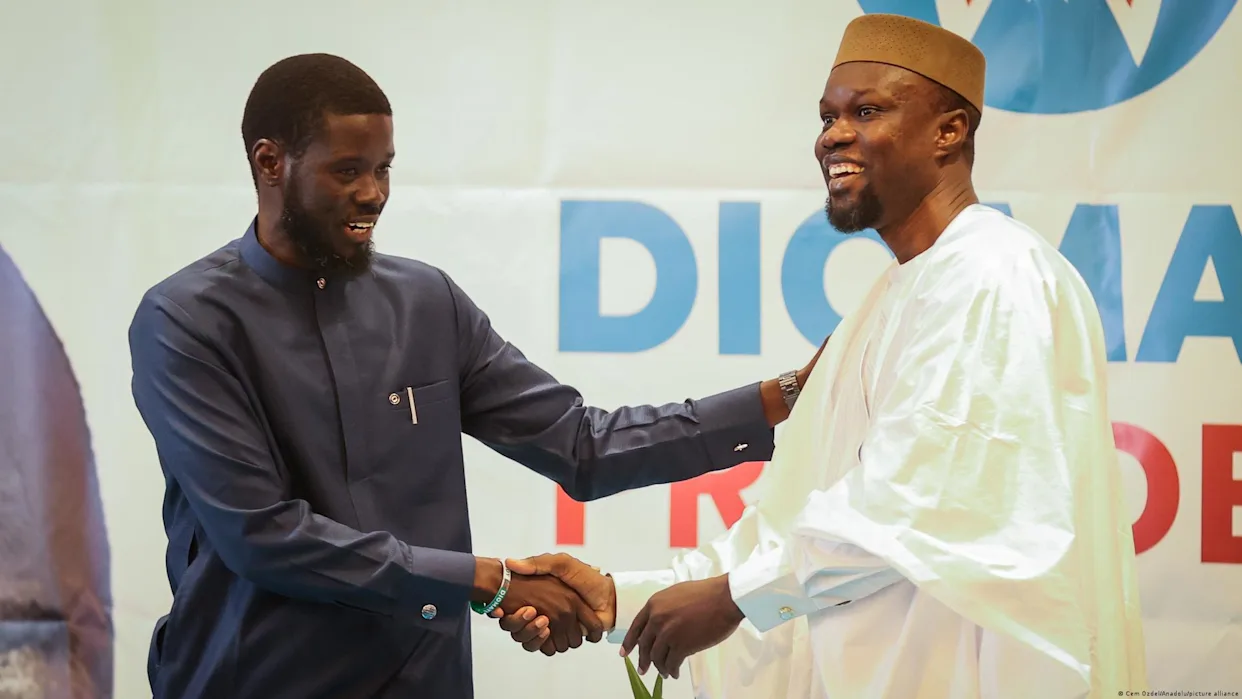
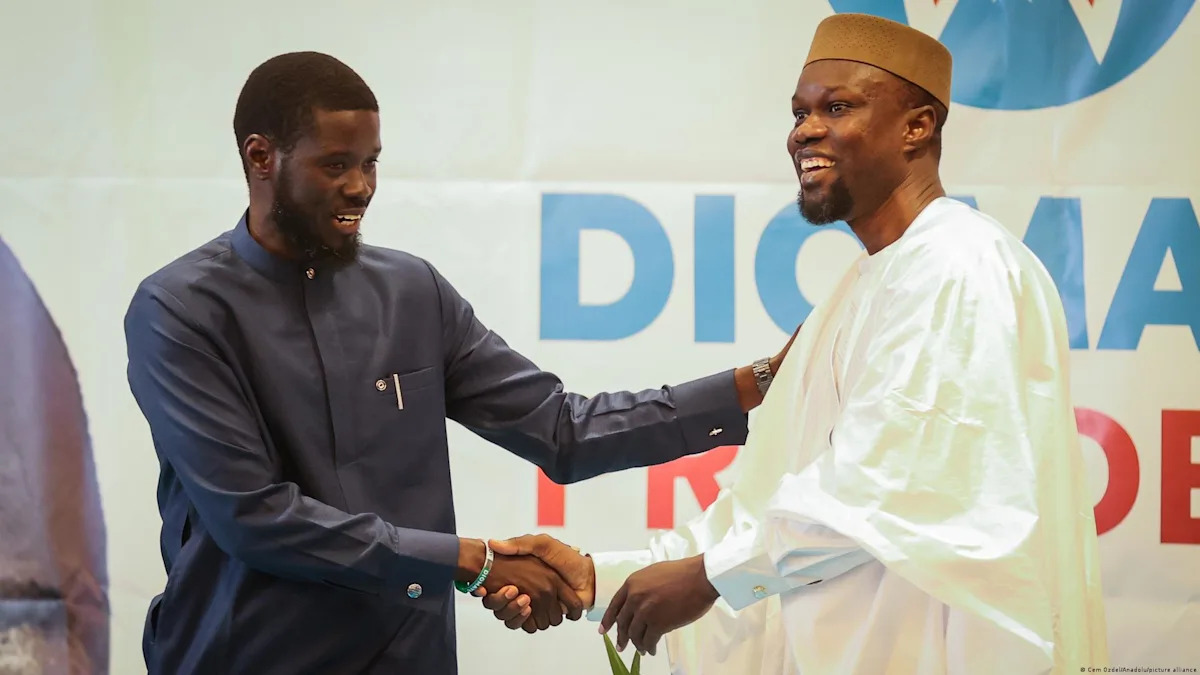
On monday, Senegal’s newly appointed prime minister unveiled the cabinet lineup. Hours earlier, Ousmane Sonko, leader of the ruling Pastef-Les Patriotes party, announced that none of its members would be included.
This move formalizes the political rift between president Bassirou Diomaye Faye and his former ally, Sonko, confirming the end of their once-unbreakable partnership.
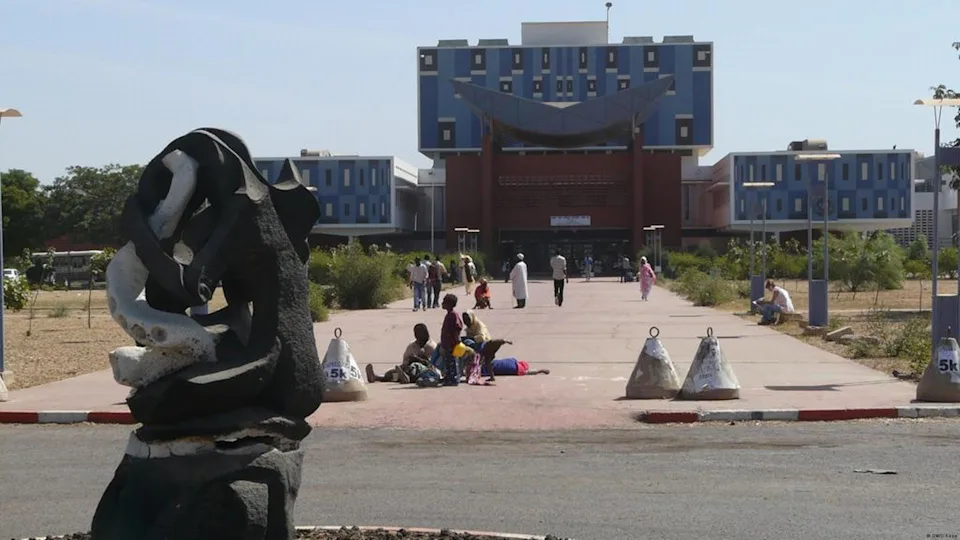
The split has left many young activists across Senegal puzzled and disillusioned. At the University Cheikh Anta Diop in Dakar, students struggle to accept the collapse of the duo that once symbolized hope for transformative change.
Deep disappointment among the duo’s supporters
Under the shade of trees near the Faculty of Arts, Amath Segnane revises for his exams. Like many young voters, he had placed immense faith in the alliance between Bassirou Diomaye Faye and Ousmane Sonko.
The student voices his frustration openly. “They sold us the idea that Diomaye and Sonko were inseparable. They made us believe they trusted each other and would work side by side to rebuild this nation. But if they’ve reached this point, it’s a major letdown,” he laments.
For him, the fracture challenges the unified image that defined their rise to power.
For some, a breakup long in the making
Minutes before his lecture begins, Mamadou Bah, an economics and management student, argues that the split was inevitable.
He points to long-standing tensions between the two leaders. “We saw for a while that the former prime minister no longer respected authority. He acted as if he were above the president. I’m not surprised he was dismissed—or that their alliance collapsed. I support the president’s decision,” he states.
Though disappointed by events, he believes the head of state was justified in reclaiming control of the executive branch.
Skepticism and questions about what’s next
Not everyone accepts the finality of the split. Omar Sarr, an arabic studies student, refuses to believe the partnership is permanently over.
For him, their shared journey makes reconciliation plausible. “Without Sonko, Diomaye would never have reached the presidency. They worked together for years, even winning the election. Now, opinions are divided—some side with Diomaye, others with Sonko. I refuse to call it a divorce. I simply won’t accept it,” he insists.
Today, president Bassirou Diomaye Faye governs without the backing of the majority party, Pastef-Les Patriotes, while Ousmane Sonko, now assembly president, has joined the opposition. This new political landscape continues to spark debates and questions across senegalese society.
