Olivier Kamitatu slams Tshisekedi for prioritizing M23 talks over domestic political dialogue
During a high-profile public discussion, Olivier Kamitatu offered a scathing assessment of Félix Tshisekedi’s current political strategy, suggesting the President is more invested in foreign-brokered talks with rebels than in reconciling with his own domestic opposition.
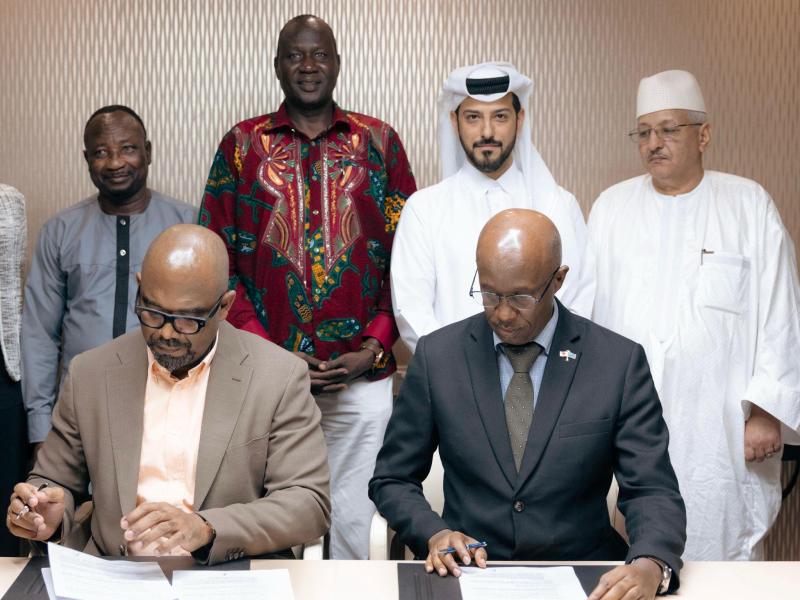
The chief of staff for Moïse Katumbi highlighted what he described as a startling paradox. While the RDC government is actively engaging with the AFC/M23 in Doha, it continues to stall on a much-needed inclusive national dialogue involving legitimate political stakeholders within the country.
A preference for rebels over political rivals?
“He is clearly more at ease with the M23,” Kamitatu remarked, challenging the President to explain this discrepancy. He argued that this approach is fundamentally flawed because it ignores the internal political roots of the Congo crisis, making any external peace agreement unsustainable in the long run.
The criticism also touched upon the ignored efforts of local institutions. Both the CENCO and the ECC had previously proposed a consensus-based framework for national talks after extensive consultations. However, this initiative was met with silence from the administration in Kinshasa. This lack of domestic coordination has led to a situation where international negotiations in Doha and Montreux produce agreements that are rarely honored.
Failure of international protocols
Current diplomatic efforts appear to be stalling. Out of eight planned protocols, only two have been officially signed. Even these limited victories, such as ceasefire agreements and prisoner exchanges, have not been effectively implemented on the ground. Kamitatu lamented the stalled progress, emphasizing that the RDC has a history of resolving its deepest divisions through internal consensus rather than foreign-led mandates.
By bypassing the domestic political class, the government risks undermining the very stability it seeks to restore. Kamitatu concluded by advocating for a solution driven by the Congolese people themselves, uniting the nation’s diverse voices to find a path forward.
