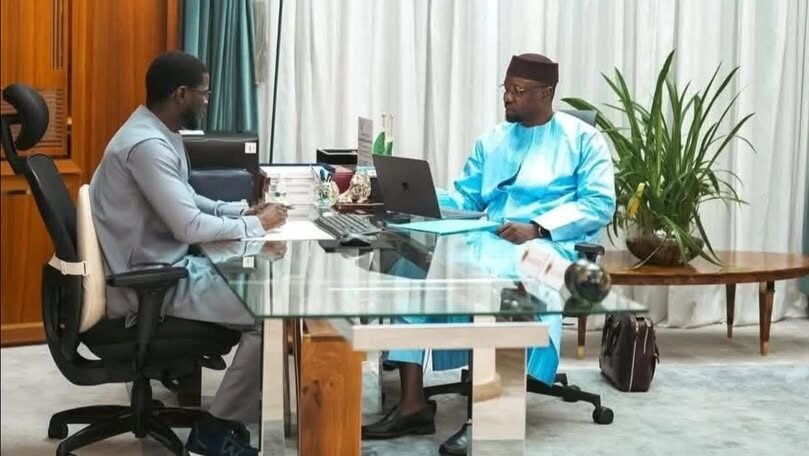
Senegal’s 2029 election: diomaye faye’s move paves way for sonko’s bid
Senegal’s 2029 presidential race: Diomaye Faye clears path for Sonko’s candidacy
President Bassirou Diomaye Faye of Senegal has signed into law a controversial electoral code reform, a move that has sent shockwaves through the Pastef party and positioned Prime Minister Ousmane Sonko as a frontrunner for the 2029 presidential election. The decree, officially authenticated on Saturday, marks a pivotal shift in the country’s political landscape, though it has also fueled uncertainty and internal divisions within the ruling party.
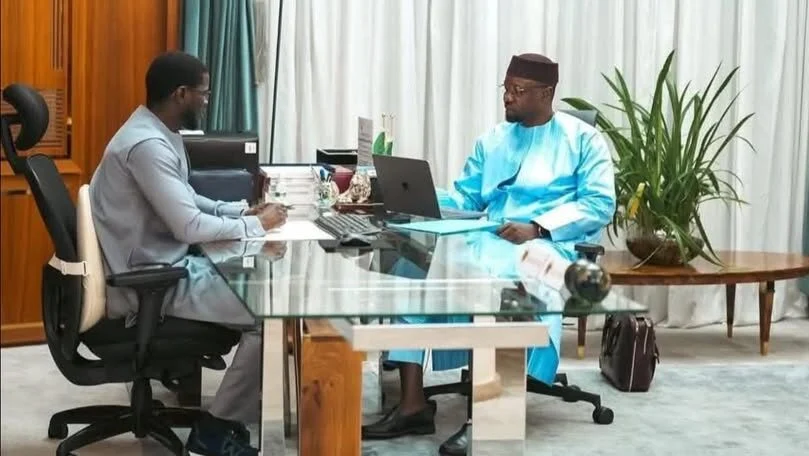
This legislative overhaul comes at a critical juncture, following Sonko’s disqualification from the March 2024 presidential race due to a 2023 defamation conviction—later upheld by the Supreme Court in January 2024—which stripped him of his civil rights. At the time, Diomaye Faye, his longtime ally, stepped in as the party’s substitute candidate. Now, the revised electoral code introduces sweeping changes, particularly regarding the restoration of civic rights after a conviction, which could reopen the debate over Sonko’s eligibility.
Political tensions escalate within Pastef
The passage of the reform has exposed deepening rifts between President Faye and Prime Minister Sonko. Initially adopted on April 28 by the National Assembly, the bill faced unexpected delays when Faye requested a second review, citing what he described as “clerical oversights” in the draft. This maneuver sparked accusations within the party that the president was deliberately stalling the legislation to serve his own political ambitions ahead of 2029.
On May 9, lawmakers reapproved the bill, paving the way for its final enactment. Among its key provisions is the reduction and standardization of civil rights suspension periods to five years post-sentence, a move critics argue is designed with Sonko’s situation in mind. The reform’s retroactive application has since become one of the most hotly contested elements of the new law.
Sonko’s eligibility takes center stage
Ousmane Sonko’s legal troubles trace back to a 2023 defamation case, where a minister from the previous administration successfully sued him for damages. After a suspended six-month prison sentence in May 2023 and a subsequent Supreme Court rejection of his appeal in July 2025, questions about his future political viability have resurfaced. Despite these setbacks, Sonko transitioned from a parliamentary seat—won in the November 2024 legislative elections—to his current role as Prime Minister, maintaining his influence in national politics.
The electoral reform’s timing and its potential to restore Sonko’s eligibility have intensified speculation about his presidential aspirations. With the 2029 vote drawing closer, Senegal’s political future hangs in the balance, as the country grapples with the implications of this landmark legislation.
