
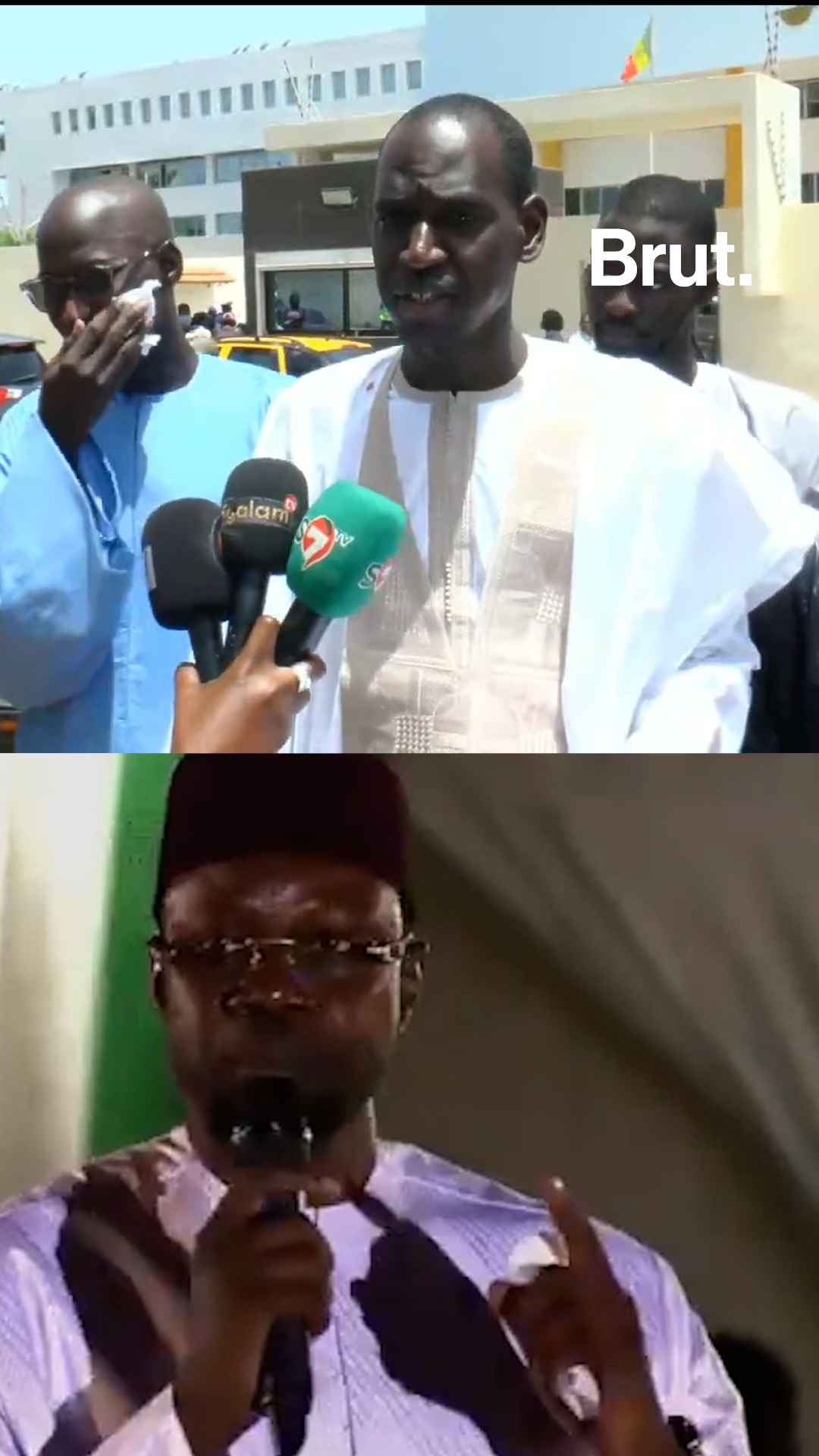
A legal complaint has been filed against prominent Senegalese opposition leader Ousmane Sonko following controversial statements he made about the holy city of Touba during the inauguration of his party’s headquarters in the city.
The complaint, submitted to the Dakar prosecutor’s office, was lodged by a group representing descendants of Cheikh Ahmadou Bamba, the founder of Touba. The collective alleges that Sonko’s remarks—claiming “dirty money entered Touba”—damaged the city’s reputation and honor, demanding a formal investigation into the matter.
Touba’s spiritual significance under scrutiny
Touba holds deep religious and cultural importance in Senegal as the spiritual center of the Mouride Brotherhood, one of the country’s most influential Sufi Muslim communities. The city is governed under a unique religious administrative system, separate from national civil laws, which adds legal complexity to disputes involving its reputation.
The descendants’ collective argues that Sonko’s allegations, made before a public audience, unjustly tarnished Touba’s standing. They contend that the statements were not only unfounded but also violated the city’s moral and spiritual integrity, warranting legal consequences.
Legal implications for Sonko
The complaint filed in Dakar could lead to a formal inquiry if the prosecutor determines there is sufficient grounds to pursue the case. Should the investigation proceed, Sonko may face legal repercussions, depending on the evidence and testimonies gathered.
Sonko, a key political figure in Senegal, has previously been involved in legal disputes, including a high-profile case that temporarily barred him from running in presidential elections. His remarks about Touba add another layer to his ongoing legal and political challenges.
Reactions and political fallout
While the complaint centers on the alleged harm to Touba’s image, it also reflects broader tensions between Senegal’s religious institutions and political figures. The Mouride Brotherhood, led by the Khalifa General, wields significant social and political influence, particularly in central regions where Touba is located.
Political analysts suggest that the legal action could further polarize public opinion, with supporters of Sonko dismissing the complaint as politically motivated, while critics view it as a necessary defense of Touba’s sacred status.