
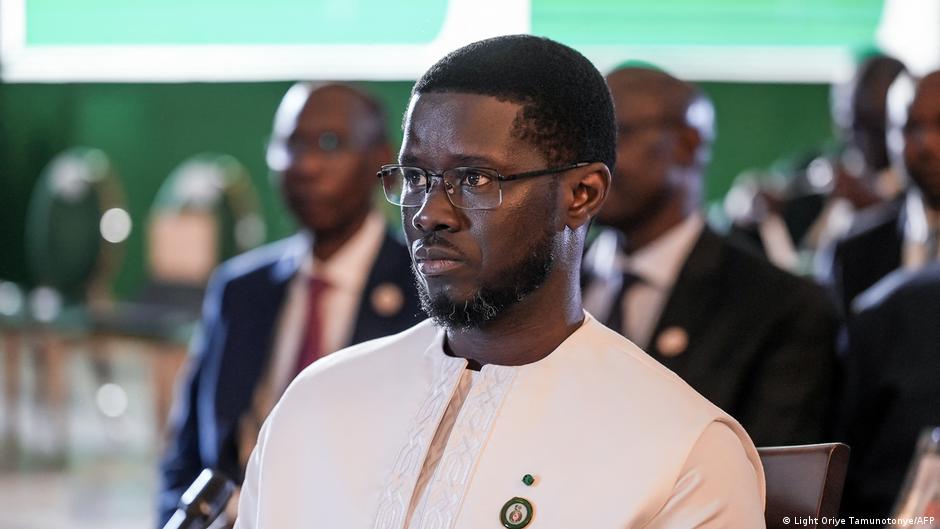
In Senegal, a surprising political alignment has emerged as opposition forces rally behind President Bassirou Diomaye Faye to counter the constitutional reforms championed by his former ally, Ousmane Sonko.
The Parti Démocratique Sénégalais (PDS), led by former President Abdoulaye Wade, has publicly declared its opposition to the referendum on the controversial constitutional revisions. This move positions the PDS alongside the president, despite its previous electoral alliances with Sonko’s Pastef movement.
President Diomaye Faye has announced plans to hold a national referendum, giving citizens the final say on the proposed changes to the constitution. The reforms, which include shifting power from the presidency to the legislature, were initially backed by the majority in Senegal’s National Assembly.
From allies to adversaries: the shifting alliances
In July 2022, the PDS joined forces with Pastef during legislative elections to challenge the ruling coalition. By early 2024, as Karim Wade—Abdoulaye Wade’s son and the PDS’s presidential candidate—was barred from running, the party pivoted to support the Sonko-Faye ticket. This strategic shift expanded Diomaye Faye’s electoral base and secured his victory in March 2024.
However, the alliance proved short-lived. After Diomaye Faye took office, the PDS remained outside his government, maintaining its independence from both Pastef and the presidential coalition. Analysts suggest this was less about ideological alignment and more about political survival after the PDS’s decline following its loss of power.
The PDS’s strategic repositioning
Ousmane Sonko’s growing influence within Pastef has sparked concerns among other political actors. The PDS now frames its opposition to the constitutional reforms as a defense of Senegal’s democratic institutions against what it calls Sonko’s