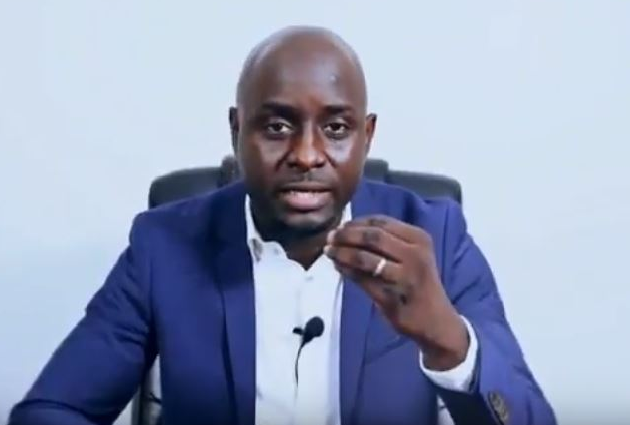
Sénégal IMF agreement: Thierno Bocoum demands full transparency on terms
The technical agreement recently concluded between Sénégal and the International Monetary Fund (IMF) has sparked intense political debate. Thierno Bocoum, who leads the AGIR-Les Leaders political movement, is publicly urging the government to reveal all details regarding debt restructuring and the specific conditions attached to this new financial program.
The former lawmaker is calling for the immediate publication of the memorandum of economic and financial policies. If the administration refuses to make it public, he insists the document must be submitted directly to the National Assembly. This would ensure a proper democratic debate on the financial commitments being made on behalf of the Senegalese citizens.
Calls for legislative scrutiny and disclosure
However, Bocoum’s critiques extend beyond the current administration. He has also directed sharp criticism toward Ousmane Sonko and Abdourahmane Sarr, identifying them as key figures responsible for the current financial complications and the tense relationship with the IMF.
Regarding Ousmane Sonko, Bocoum argues that his tenure as Prime Minister from April 2, 2024, to May 22, 2026, places him at the very center of these international negotiations. He accuses Sonko of playing a direct role in the discussions that led to the halt of the previous IMF program. Furthermore, Bocoum points to the September 2024 announcements concerning alleged discrepancies in national debt data. This communication damaged the financial standing of Sénégal and triggered the suspension of the IMF program, forcing the nation to secure funds on the regional market at interest rates far higher than standard concessional loans.
Accountability demanded from Ousmane Sonko and Abdourahmane Sarr
Abdourahmane Sarr, the former Minister of Economy, Planning, and Cooperation, is also facing scrutiny. Bocoum highlights what he describes as a major shift in Sarr’s public stance on the sustainability of the national debt. He notes that the former minister previously defended the country’s debt viability and its reduction trajectory, only to later acknowledge that the government had to request special treatment to restore that very same sustainability.
Bocoum emphasizes that all officials involved in managing these financial portfolios must take responsibility for the current economic hurdles. These demands arrive just as Sénégal reaches a pivotal moment in its international relations, having secured a technical consensus with the IMF for a fresh economic framework.
