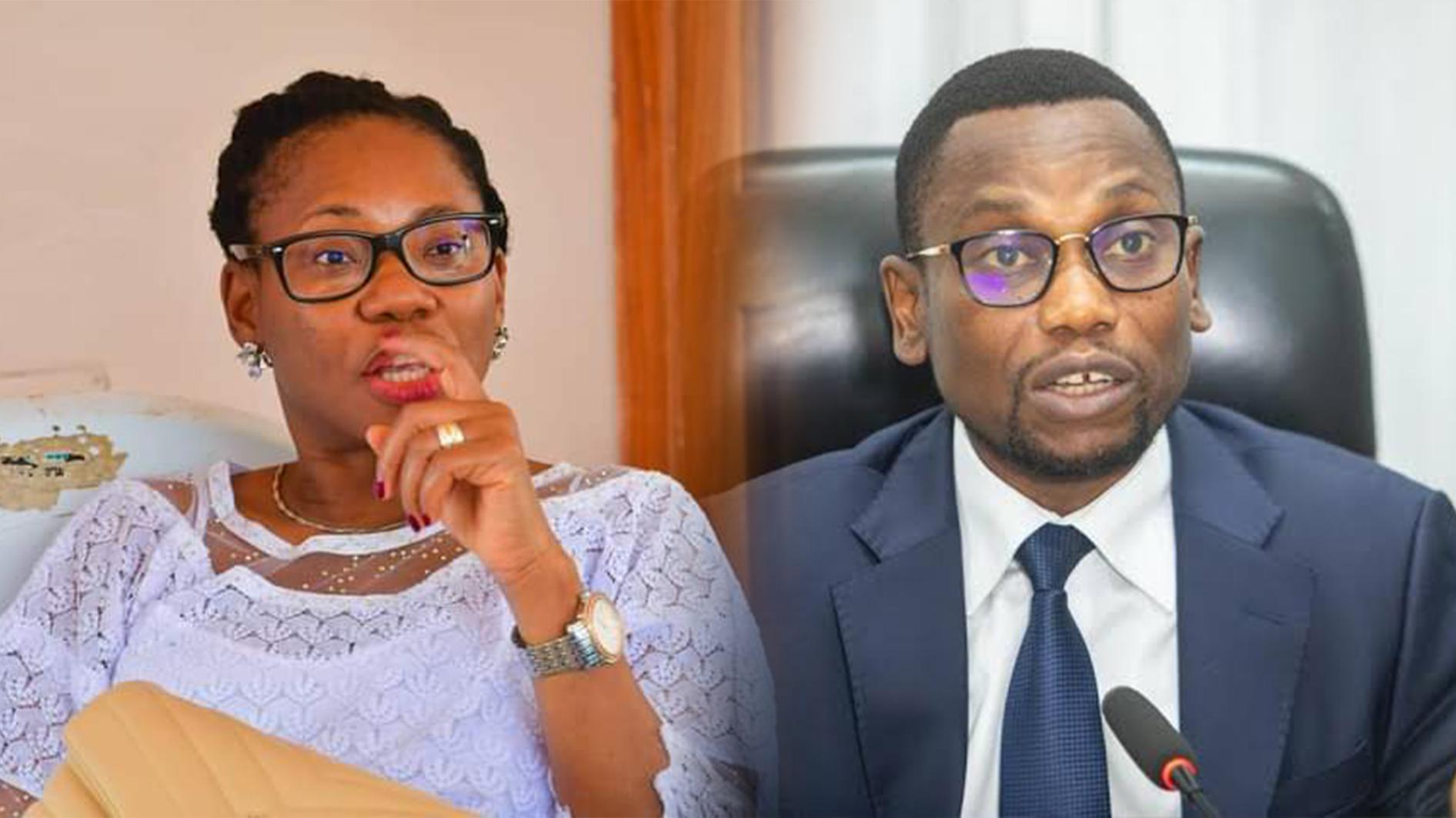
Bénin invests 30 billion FCFA to transform education by 2026-2027
In a decisive move to reshape the education landscape, the Bénin government has greenlit a sweeping set of reforms aimed at fostering inclusivity and modernizing the national school system. The initiative, backed by a 30 billion FCFA budget, targets learners from primary to university levels, signaling a bold step toward equitable access and improved learning environments.
Primary education: Expanding school feeding programs to reach 500,000 more children
The national school meal program has been significantly scaled up, now covering an additional 500,000 students—raising the total to 1.9 million. This expansion ensures that children in rural and peri-urban areas receive a daily hot meal, reinforcing school attendance and nutrition. Additionally, emergency measures have been approved to sustain learning continuity in border regions facing security challenges, including infrastructure upgrades and tailored support for teachers and students.
Secondary and technical education: Empowering girls and upgrading facilities
The government is prioritizing gender parity and closing resource gaps in secondary and technical education through targeted policies:
- Free education for girls: All female students enrolled in Technical and Vocational Education and Training (TVET) programs are now exempt from tuition fees, removing financial barriers to skill development.
- New classroom equipment: A first tranche of 12,000 student desks has been allocated to General Education Colleges (CEG) to accommodate growing enrollment, alongside renovations of girls’ high schools nationwide.
Higher education: Boosting student welfare and campus life
The higher education sector is a major focus of the funding, with measures designed to ease the financial burden on students and enhance campus infrastructure:
- Scholarship increases: Bursaries have been raised by up to 49% depending on the field of study, complemented by higher back-to-school allowances and adjusted excellence grants for students pursuing studies abroad.
- New transport system: A fleet of 63 buses has been introduced to serve public universities—including Abomey-Calavi, Parakou, UNA Kétou, and UNSTIM Abomey—on intercity routes.
- Health and safety upgrades: University canteens and infirmaries are undergoing full rehabilitation, with additional qualified staff deployed to improve student well-being.
- Support for students with disabilities: All new disabled graduates enrolling in public universities will automatically receive scholarships.
Roadmap for implementation
Ministries involved have been tasked with finalizing operational plans before the 2026-2027 academic year begins. This historic investment underscores the government’s commitment to building a resilient education system that nurtures human capital and drives national progress.
