Sénégal football academies shaping world cup 2026 talents
Senegal’s football academies: the new talent pipeline for the 2026 world cup
The scorching sun of Dakar beats down on the synthetic turf of CICES, where an unusual hive of activity buzzes under the midday sky. Away from the hustle of VDN, Be Sport Academy pulses with energy on this Wednesday afternoon. Fifteen-year-old Souleymane tightens his laces with deliberate focus, mirroring the concentration of his teammates as they pull on their jerseys and shin guards. The session had started ten minutes late, but now the ball is in play—and the young players’ faces light up as fluid passes and sprints take over.
For these adolescents, every training session is a showcase. The intensity isn’t accidental—it’s the norm in Senegal’s rapidly expanding football academy sector, where excellence is the only standard. Within just two decades, these institutions have evolved from informal talent pools into structured ecosystems that don’t just train players—they shape futures.
The transformation from raw talent to structured excellence
Historically, Senegal was known as a rich vein of football talent, but without proper frameworks, many gifted players remained undiscovered. Today, the landscape has shifted dramatically. Football academies have become a parallel industry—sporting, social, and economic—catalyzing a transformation that’s redefining both local and international football.
This evolution wasn’t overnight. It began in the early 2000s with visionary projects like Institut Diambars in Saly, a pioneer that introduced professional training standards. Another standout, Génération Foot, forged a direct link to Europe through its partnership with French club FC Metz. These models proved that with the right infrastructure, Senegalese players could not only shine locally but also make their mark globally.
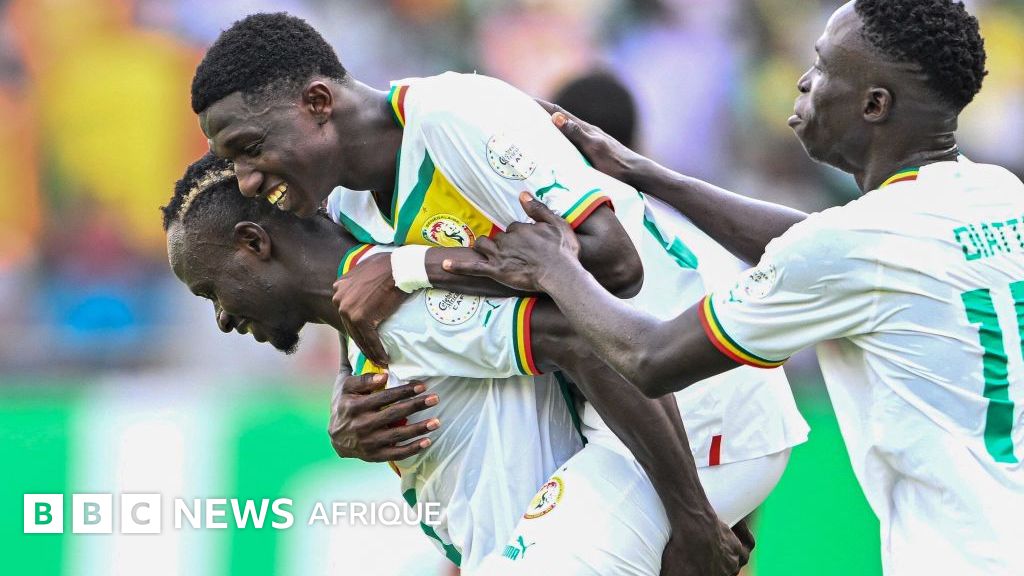
Today, names like Sadio Mané, Ismaïla Sarr, Habib Diallo, Pape Matar Sarr, and Lamine Camara serve as living proof of this system’s success—all products of Senegalese academies who now represent the national team and top European clubs.
What makes Senegal’s football academies a global model?
The secret lies in a holistic approach: rigorous athletic training, academic education, social support, and professional preparation. These academies go beyond technical skills—they instill discipline, tactical intelligence, and mental resilience from an early age. With modern facilities, experienced coaches, and international partnerships, they offer a clear pathway from grassroots to elite football.
Key institutions driving this change include:
- Institut Diambars: Founded in 2003, it was among the first to blend sport and education, producing stars like Idrissa Gana Gueye.
- Génération Foot: Known for its FC Metz partnership, it has become a continental benchmark in youth development.
- Dakar Sacré-Cœur: A rising force in youth tournaments, nurturing future champions through structured competition.
- Be Sport Academy: A modern hub attracting young talents from across Senegal, with a curriculum covering sport, school, and personal growth.
These centers don’t just produce players—they create role models. By offering education alongside football, they open doors to careers beyond the pitch, making the dream of professional football a realistic goal for thousands of young Senegalese.
From talent pool to national success: the data speaks
The impact is undeniable. Over 80% of current Senegal national team players come from structured academies—a stark contrast to previous generations who emerged from street football or amateur clubs. This shift has propelled Senegal from irregular performances in the 1990s to consistent excellence: continental titles, deep World Cup runs, and a stronger presence in global tournaments.
Sports journalist Adama Ndione highlights this transformation: “Two decades ago, Senegal’s football was unpredictable. Today, thanks to systematic training and early detection, we have a steady pipeline of world-class talent. The 2021 Africa Cup of Nations victory and strong World Cup performances are direct results of this foundation.”
Abdou Gueye Luque, Regional Technical Director of Dakar and President of the Dakar Football Schools Coordination, adds: “Academies like Aldo Gentina, Diambars, and Génération Foot didn’t just train players—they created a culture of excellence. By investing in youth development early, they built the backbone of today’s national teams.”
Why clubs in Europe are turning to Senegal
European clubs increasingly seek young, technically sound, and disciplined players—qualities Senegalese academies now deliver. Partnerships like Génération Foot’s with FC Metz create direct pathways for talent export, benefiting both players and the national economy through transfer revenues.
El Hadji Diouf, former international and current football ambassador, emphasizes the scale of this change: “Today, every major Senegalese city has an academy. They start training children as young as 10, organizing tournaments annually. We’re building a system comparable to England or France—one that identifies and nurtures talent systematically.”
Sustainability and the future: can Senegal keep rising?
Senegal’s rise isn’t a fluke—it’s the result of deliberate investment in youth development. To maintain momentum, experts stress the need to strengthen coach education, expand infrastructure, and deepen international collaborations. The goal? Not just to remain Africa’s leader, but to compete for top honors on the global stage.
The academies have redefined football in Senegal. They’ve turned raw talent into a sustainable system—one that transforms lives, fuels national pride, and positions the country as a global football hub. In a continent rich with potential, Senegal’s model stands as proof that structured investment in youth can reshape a nation’s sporting destiny.
As the 2026 World Cup approaches, all eyes will be on the next generation emerging from these academies. And if history is any guide, Senegal will be ready.
