
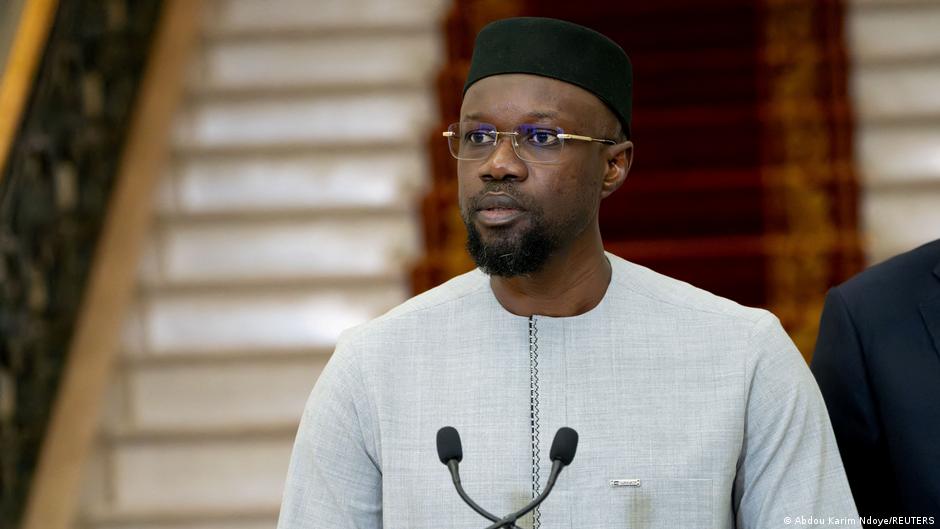
Senegal: constitutional council rejects Pastef reforms, weakening Ousmane Sonko
July 10, 2026
The Constitutional Council of Senegal has struck down the institutional reforms proposed by the ruling Pastef party’s majority in parliament. The decision, handed down yesterday, invalidated the reform package on the grounds that it violated constitutional provisions. The proposed changes, advanced by Ousmane Sonko’s supporters, aimed to redistribute powers among state institutions under the pretext of rebalancing governance.
The ruling represents a significant setback for the government’s sweeping reform agenda, which had been swiftly approved by the National Assembly where the ruling party holds a commanding majority. The president himself, Bassirou Diomaye Faye, referred the matter to the Constitutional Council, which identified two critical constitutional violations: the absence of a funding mechanism for the prospective Constitutional Court outlined in the reforms, and procedural missteps during parliamentary consideration of government amendments.
The decision comes as political observers note growing friction between Sonko and President Faye. After being removed from the premiership in May, Sonko secured the presidency of the National Assembly, a position that has seemingly intensified the rift between the two leaders. Sonko recently described the relationship as a state of “cohabitation,” highlighting the deepening divisions at the heart of Senegalese governance.
Political reactions and implications
Ousmane Sonko acknowledged the Council’s ruling in a public statement, while the presidential coalition emphasized the importance of institutional integrity and continued dialogue on reform. Dr. Binette Ndiaye, coordinator of the Citizen Forum, praised the Council’s decision, stating:
“As a member of civil society, I believe this is an initiative worth celebrating. The process leading up to this law lacked inclusivity and meaningful dialogue. It appeared as though a single political party was reshaping constitutional provisions without broader consensus. The Council’s decision reminds us that even with a parliamentary majority, we must respect the views of all citizens.”
Adji Diarra Mergane Kanouté, former MP and leader of the USD/A party, echoed this perspective, noting that while the ruling definitively blocks the proposed referendum, it does not preclude future legislative efforts—provided they adhere strictly to constitutional procedures. She highlighted the need for revenue-neutral funding mechanisms for new institutions like the Constitutional Court, as mandated by Article 82, paragraph 2, of the Constitution. Kanouté also pointed out procedural violations during parliamentary debates, particularly the refusal to apply the government’s request for a blocked vote, in breach of Article 82, paragraph 4.
Broader political tensions
The Council’s decision arrives amid escalating political tensions in Senegal. The proposed reforms included provisions to strengthen parliamentary oversight, particularly in natural resource contracts and previously restricted oversight areas. While the presidential coalition frames the decision as a reinforcement of democratic checks and balances, critics argue it underscores the fragility of the alliance between Sonko and President Faye.
Many analysts view this as another chapter in the intensifying rivalry at the highest levels of Senegalese leadership, one that could shape the nation’s political trajectory for years to come.