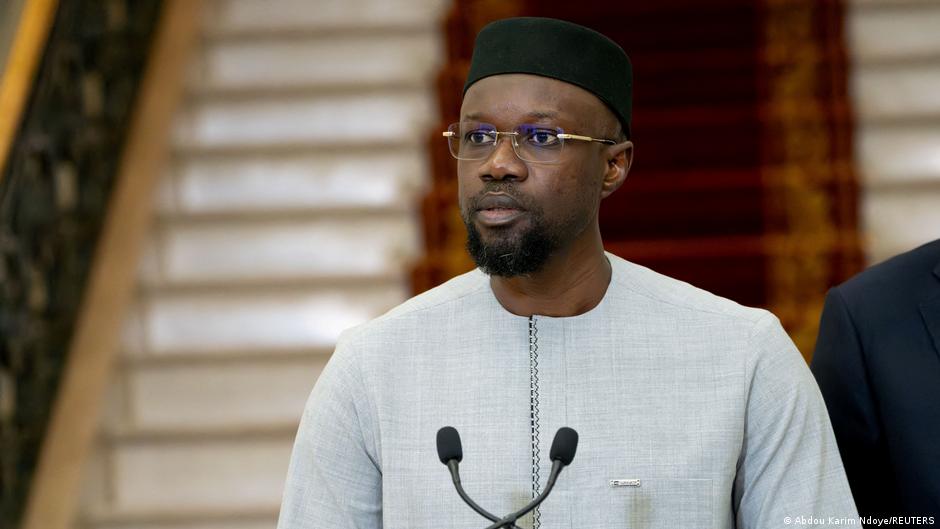
Senegal constitutional council blocks pastef reform, political tensions rise
Senegal constitutional council blocks pastef reform, political tensions rise
July 10, 2026The Senegalese Constitutional Council has struck down the institutional reform proposed by the majority party in the National Assembly, dealing a significant blow to the political ambitions of Ousmane Sonko and his allies. The Council ruled that the reform, which aimed to rebalance institutional powers, contained provisions that violated constitutional requirements.
President Bassirou Diomaye Faye referred the reform to the Council himself, leading to its invalidation on two critical grounds. First, the proposed financing mechanism for the new Constitutional Court was deemed inadequate. Second, procedural violations were identified during the parliamentary review of government amendments. These findings effectively terminated the reform process, which had been championed by the ruling party.
Constitutional hurdles derail reform agenda
The Council’s decision highlights the constitutional constraints facing ambitious legislative changes. According to legal experts, the absence of guaranteed funding for the new court structure directly contravened constitutional provisions requiring financial transparency for public institutions. Additionally, the Council found that the National Assembly had failed to follow proper procedures when rejecting the government’s request for a block vote on amendments.
Adji Diarra Mergane Kanouté, a former parliamentarian and leader of the USD/A party, emphasized that while the ruling was a setback for the reform agenda, it did not permanently close the door on legislative change. “The Council’s decision does not eliminate the possibility of future reforms,” she noted, “but any new proposal must adhere strictly to constitutional requirements, particularly regarding public expenditure and parliamentary procedure.”
Enhanced parliamentary oversight ambitions blocked
The reform package included provisions to strengthen parliamentary oversight, particularly in the oversight of natural resource contracts and expanded investigative powers. The invalidation of these measures represents a significant limitation on the government’s ability to increase transparency in critical sectors.
Political reactions were immediate and divided. Ousmane Sonko acknowledged the Council’s decision in a public statement, while supporters of the government praised the ruling as a demonstration of institutional integrity. Dr. Binette Ndiaye, coordinator of the Citizen Forum, praised the decision, stating, “This ruling reminds us that even with a parliamentary majority, constitutional principles must be respected. Genuine reform requires inclusive dialogue, not unilateral decisions.”
Growing rift at the heart of Senegalese politics
The Council’s decision arrives at a time of escalating tensions between President Bassirou Diomaye Faye and Ousmane Sonko, two central figures in the ruling coalition. Sonko, who was recently removed from the Prime Minister’s office, continues to exert influence as President of the National Assembly. Public statements from both leaders have revealed deepening divisions, with Sonko describing the current situation as a period of “cohabitation” with the President.
Political analysts suggest that the Council’s ruling may intensify the power struggle between these two leaders, potentially reshaping the political landscape in Senegal for years to come. The decision underscores the challenges facing ambitious reform agendas in a complex constitutional environment.
