
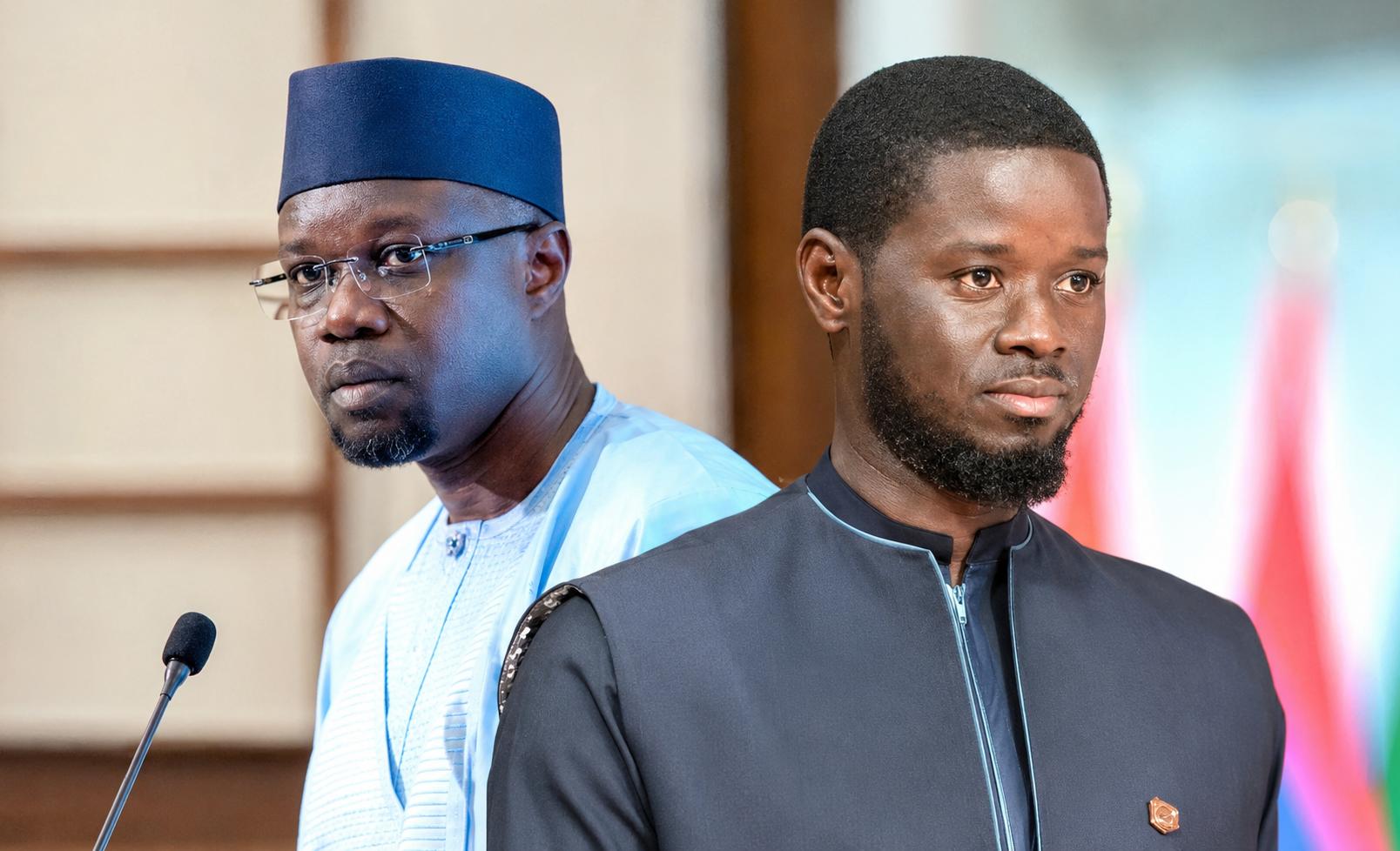
Senegal constitutional council blocks controversial constitutional reform bill
The Constitutional Council of Senegal delivered a landmark ruling on July 9, 2026, striking down the constitutional amendment bill passed by the National Assembly in late June. The decision, issued at the request of President Bassirou Diomaye Faye, exposed significant procedural flaws in the legislative process while reinforcing the judiciary’s role as a constitutional safeguard.
presidential intervention halts constitutional reform
The proposed amendments, which aimed to reshape the country’s institutional framework by rebalancing executive and legislative powers, banning the president from leading a political party, and establishing a constitutional court, had cleared the National Assembly on June 29, 2026. However, in an unusual move, President Faye himself filed an urgent appeal with the Constitutional Council on July 6.
The petition did not challenge the substance of the reforms but focused exclusively on procedural irregularities in the bill’s adoption. The presidency submitted a comprehensive dossier, including parliamentary debate transcripts, rejected government amendments, and audio-visual recordings of National Assembly sessions, to support its claim.
legal and financial grounds for the ruling
The Constitutional Council grounded its decision in strict legal principles, dismissing arguments that questioned its jurisdiction over constitutional matters. Two key violations of Senegal’s Constitution (Article 82) led to the bill’s invalidation:
- Unfunded mandate rule: The Council ruled that parliamentary amendments creating new public offices without compensatory revenue measures violated the constitutional prohibition against increasing public burdens without offsetting income.
- Executive override violation: The high court found that the National Assembly had ignored the government’s requests to delay or remove problematic provisions, infringing on executive prerogatives in the legislative process.
The Council’s ruling stated, “This procedural violation renders the constitutional amendment bill null and void before any promulgation or referendum.”
political implications of the constitutional council’s decision
The verdict marks a pivotal moment in Senegal’s 2026 political calendar. While ruling party supporters view it as a technical setback necessitating a more meticulous legislative approach, opposition factions hail it as a triumph for constitutional law over legislative haste.
Rather than undermining state institutions, this decision underscores the robustness and independence of Senegal’s constitutional justice system in resolving high-stakes disputes between the presidency and parliament.
By annulling the bill, the Constitutional Council reaffirmed that even ambitious reforms must strictly adhere to constitutional procedures. President Bassirou Diomaye Faye and his administration now face the task of reassessing their legislative strategy to advance the promised reforms, either through a revised bill or a direct popular referendum.