Sénégal: backlash against french tv report on lgbtq+ rights
Sénégal: backlash against french tv report on lgbtq+ rights
A recent television feature by a European broadcaster has ignited fierce debate in Sénégal, as critics accuse it of misrepresenting local realities and fueling prejudice against the LGBTQ+ community. The program’s claims and selected narratives have drawn sharp reactions from both social media users and legal experts.
controversial claims spark nationwide debate
The broadcast, aired in prime time, presented testimonies from individuals asserting they had faced violent repercussions due to their sexual orientation. One anonymous interviewee went further, claiming that certain social circles in Sénégal had been taught to believe that harming LGBTQ+ individuals could grant them entry into paradise. This assertion triggered immediate backlash online, with many Sénégalais contesting its accuracy.
Social media erupted with skepticism. « I am Sénégalais, and I have never heard anything like this, » wrote one user. Another dismissed the claims as outright fabrications, arguing the program was attempting to vilify Sénégal’s cultural and religious values. The controversy deepened as critics highlighted what they viewed as a one-sided portrayal of the situation.
legal and health perspectives overshadowed
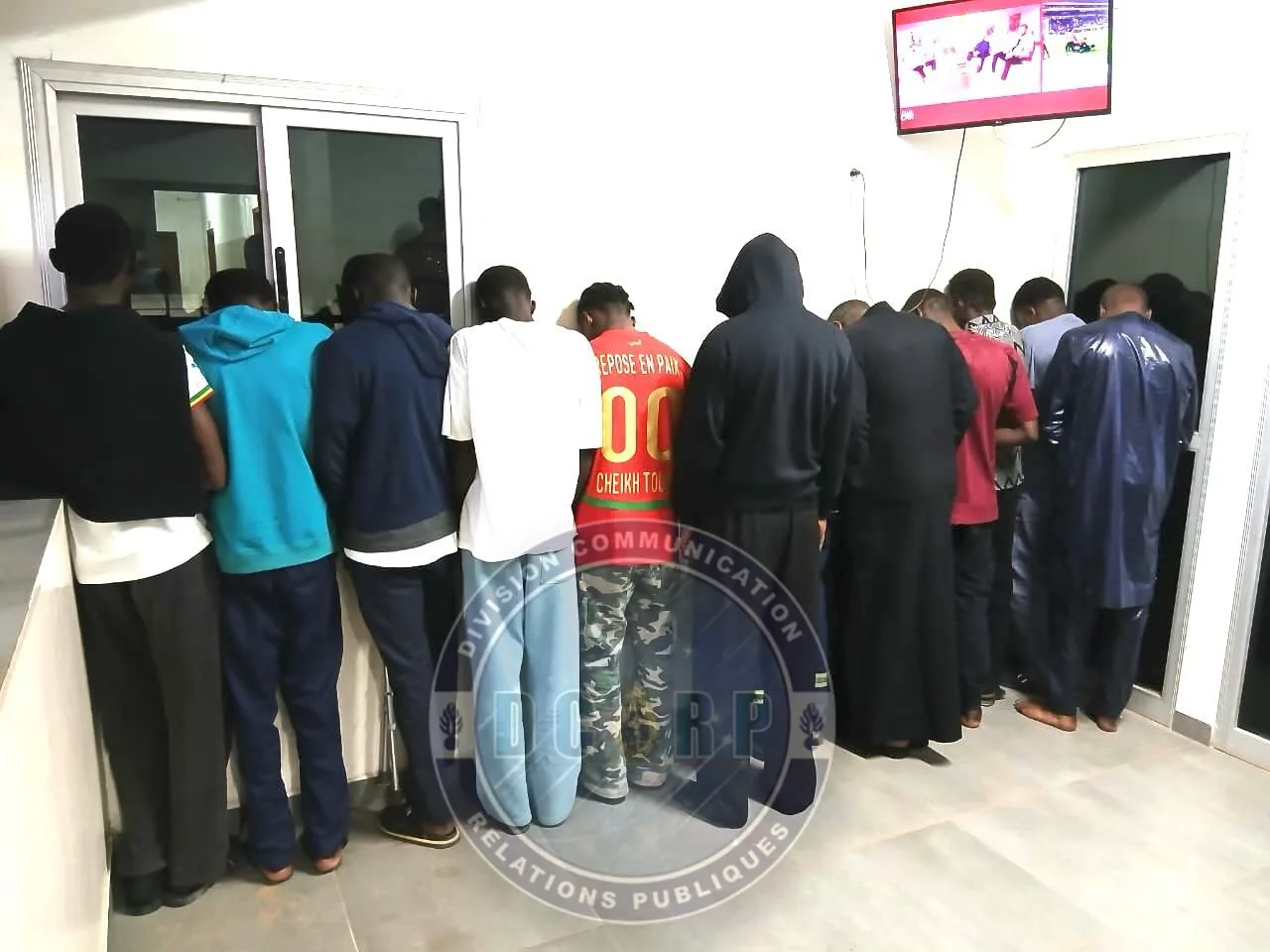
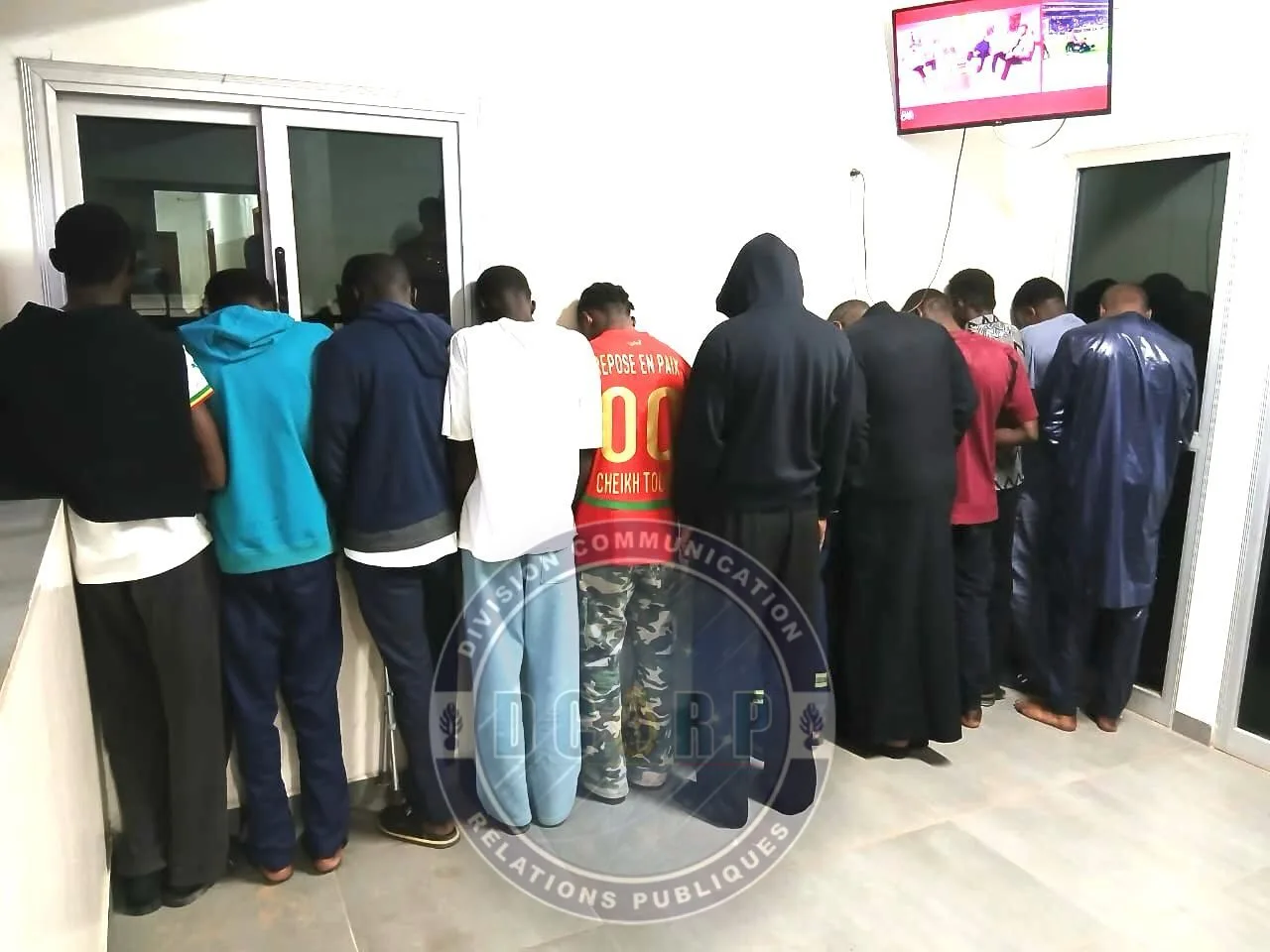
Opponents of the report pointed out that it failed to address critical legal distinctions. They emphasized that recent arrests in the country were primarily linked to allegations of intentional HIV transmission—a criminal offense under Sénégal’s public health laws—not solely based on sexual orientation. The omission of this crucial context, they argued, painted an incomplete and misleading picture.
Health professionals at the National AIDS Control Center were also interviewed, yet the program did not explore the legal implications of willful disease transmission. This gap further fueled perceptions that the reporting was guided by a predetermined agenda rather than factual objectivity.
calls for balanced journalism rise amid tensions
Many Sénégalais, including legal scholars and civil society representatives, have called for more nuanced coverage of LGBTQ+ issues. They argue that discussions on human rights must be grounded in local laws and cultural realities, rather than imported narratives that may not reflect the complexities on the ground. The debate continues to unfold as voices on both sides demand greater transparency and fairness in media representation.
