Security failures in Mali after coordinated jihadist attacks
Mali’s security crisis deepens after april 25 jihadist offensives
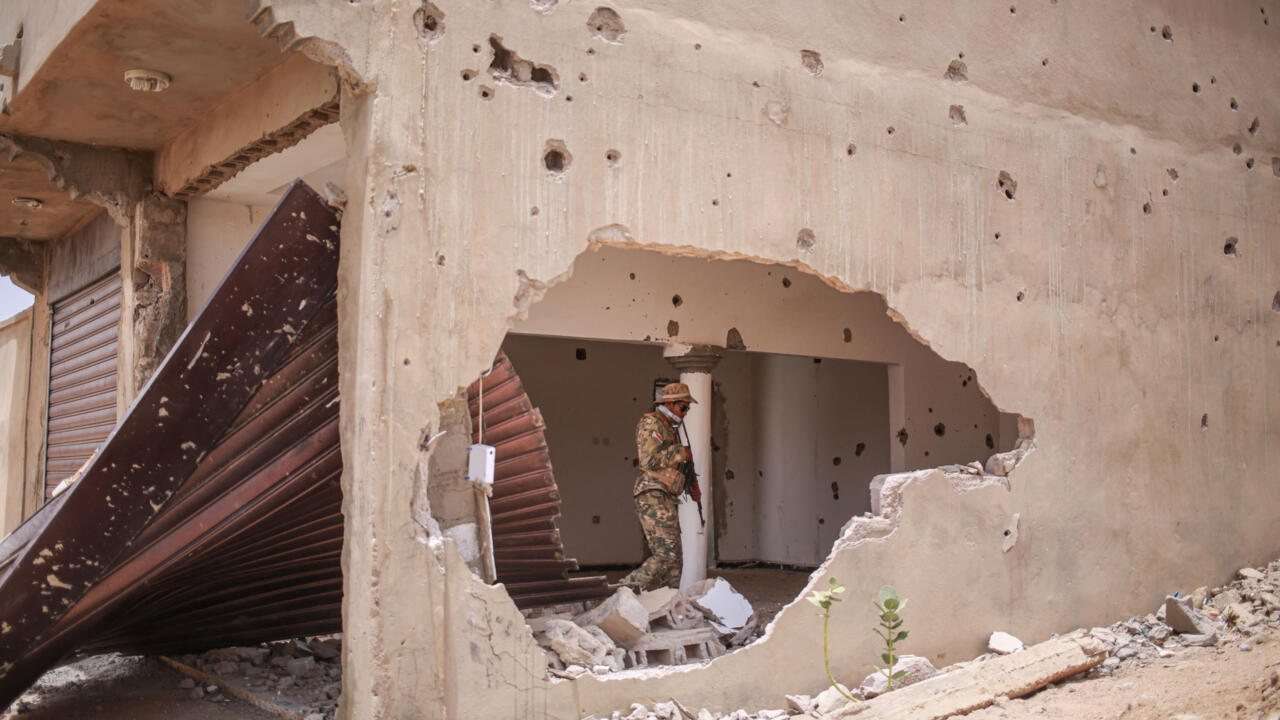
The Timbuktu Institute, an African research center based in Dakar, has published a scathing analysis titled “Mali: anatomy of a security earthquake”, following the coordinated attacks of April 25. These assaults, carried out by the Group for the Support of Islam and Muslims (JNIM)—affiliated with al-Qaeda—and the National Liberation Front of Azawad (FLA), resulted in the death of Mali’s Defense Minister, General Sadio Camara, and the fall of Kidal in northern Mali.
Russia’s security outsourcing strategy collapses in Mali
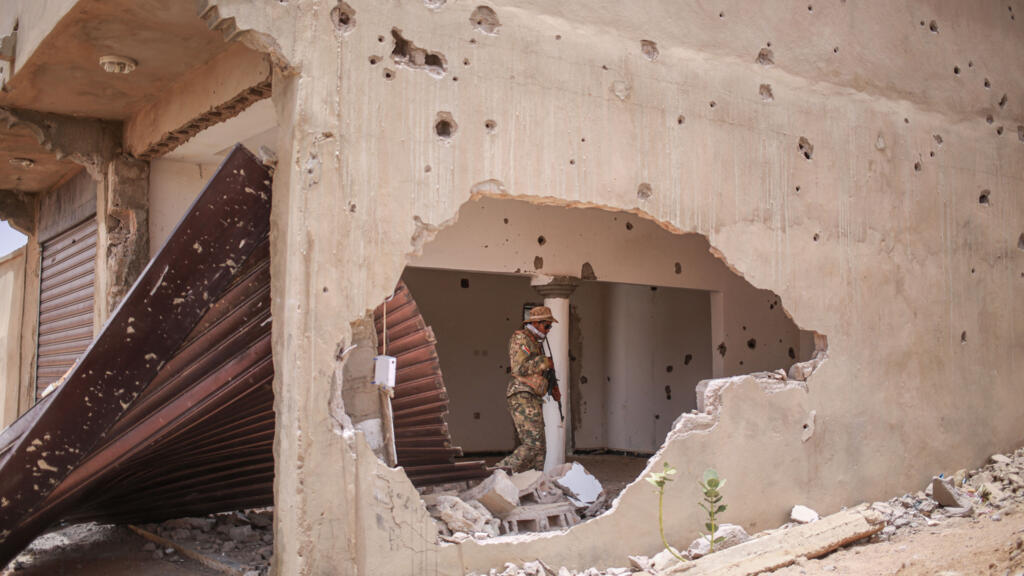
Bakary Sambe, Director of the Timbuktu Institute in Dakar, argues that the April 25 attacks expose the failure of outsourcing Mali’s security to external actors, particularly Russia. The chaotic withdrawal of the Africa Corps from Kidal and the death of General Sadio Camara symbolize the collapse of the Wagner-Africa Corps model. Unlike Operation Barkhane, which included civil-military development aspects, the Kremlin’s security subcontracting has proven ineffective against locally entrenched guerrilla warfare.
Sambe notes that while military collaboration with the Africa Corps continues, the collapse in Kidal and Tessalit demonstrates that outsourcing security has not worked. The regime of General Assimi Goïta risks losing its primary narrative tool—the promise of security—without immediate results on the ground.
Sahel alliance fails to deliver on defense promises
The Alliance of Sahel States (AES), designed as a defense pact with an Article 5-style mutual defense clause, has shown significant limitations. Despite the declaration of solidarity by Burkina Faso’s President Traoré, who described the attacks as a “monstrous plot”, neither Burkina Faso nor Niger provided military support. Both countries were preoccupied with their own internal security challenges, including recent attacks in Burkina Faso.
Public opinion paradox: security failures unite Malians behind the flag
While the transitional regime’s security promises remain unfulfilled, the April 25 attacks paradoxically strengthened national unity. Sambe explains that the regime’s legitimacy now hinges almost entirely on its security promises, and the attacks have drawn parallels with the 2012 crisis, when armed groups rapidly seized northern Mali. However, the current situation reflects a unique Malian paradox: despite security failures, there is a temporary rallying around the flag and a consolidation of support for General Goïta.
JNIM and FLA alliance: a tactical convergence with uncertain longevity
Sambe highlights that the tactical alliance between JNIM and the FLA is driven by shared interests rather than a long-term political vision. While the attacks demonstrate unprecedented coordination, the alliance’s durability is questionable due to divergent objectives: JNIM seeks the imposition of Sharia law, while the FLA advocates for Azawad’s autonomy. Additionally, the dominance of elements from the Macina Katiba within JNIM raises doubts about their commitment to Azawad’s independence.
However, Sambe suggests that this alliance could serve as a catalyst for JNIM to reposition itself as a national political actor. By collaborating with figures like Bina Diarra, JNIM may attempt to transition into a political movement capable of negotiating a place in Mali’s future. This shift could provide JNIM with a pathway to legitimacy and potential inclusion in national dialogue.
National dialogue emerges as the only viable solution
Amidst the deepening security crisis, Sambe asserts that inclusive national dialogue is the only viable path forward. The endogenization of jihadist movements within Malian society complicates the conflict, as many fighters are now homegrown rather than foreign invaders. The Malian people increasingly demand dialogue with all factions, including those considered lost causes, to address the root causes of the crisis.
Sambe emphasizes that the transitional authorities’ refusal to engage in dialogue risks prolonging the suffering of the population and undermining long-term stability. The current military approach alone cannot resolve a conflict that has become deeply intertwined with Mali’s social and political fabric.
