
West Africa
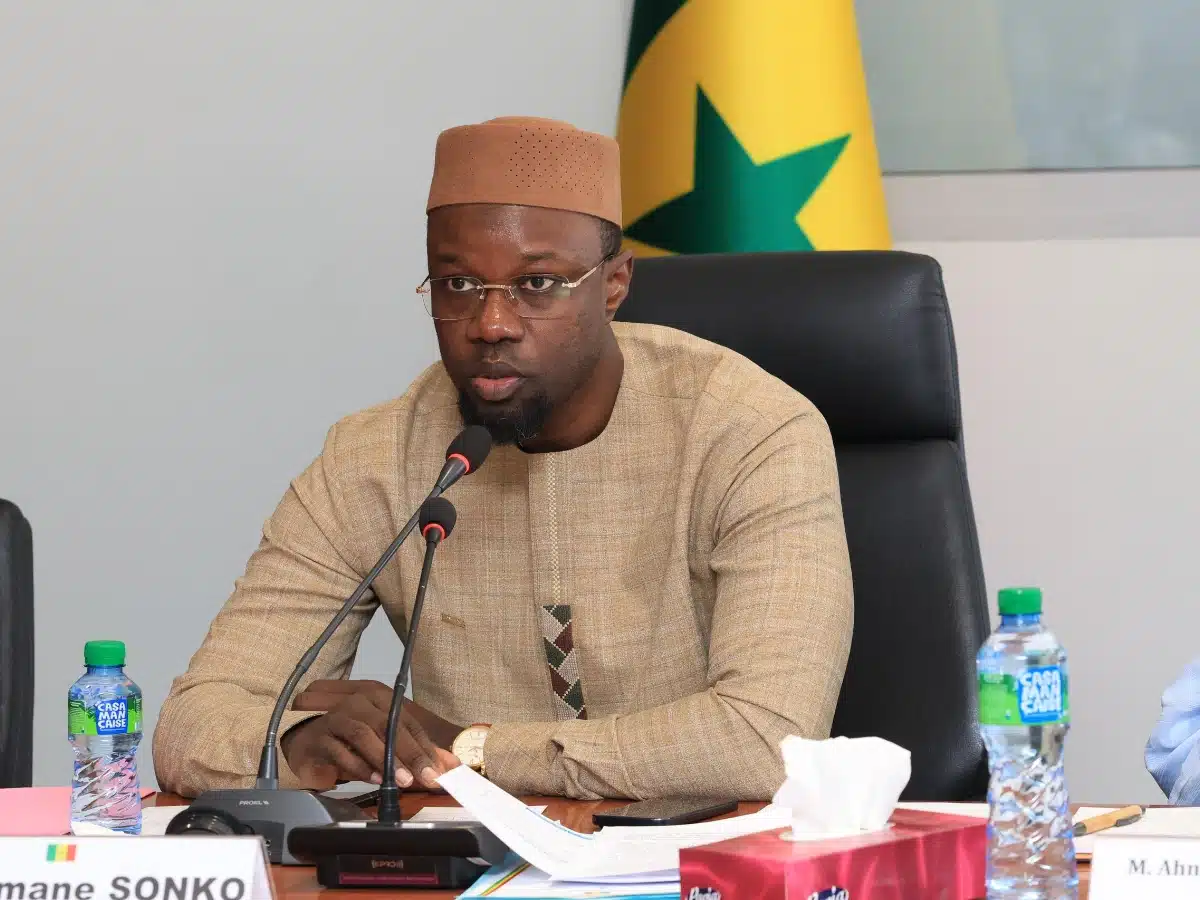
Senegal’s Anti-LGBTQ+ Law Will Be Fully Enforced, Prime Minister Ousmane Sonko Declares
A definitive stance on Senegal’s strengthened legal measures against same-sex relations was taken by Prime Minister Ousmane Sonko during a parliamentary session on May 22, 2026. The announcement comes amidst growing international criticism, particularly from Western governments and human rights organizations, regarding the severity of penalties introduced for acts deemed “against nature.”
Senegal’s Sovereign Stance on Anti-LGBTQ+ Legislation
Prime Minister Ousmane Sonko delivered a firm response to international backlash during a parliamentary session on May 22, 2026. Western governments and advocacy groups have sharply criticized Senegal’s decision to impose stricter penalties for same-sex relations, which are now classified as “acts against nature.”
Sonko emphasized Senegal’s right to self-determination, stating, “The Senegalese people are sovereign. The vast majority of our society rejects these practices.”
Rejecting Western Influence on African Values
The Prime Minister pushed back against critics, including African legal professionals like Me Alice Nkom, who argue that the law violates human rights. Sonko framed the debate as an imposition by Western elites, stating, “There is a form of tyranny at play. With eight billion people on Earth, a small group called the West—where the debate isn’t even settled—uses its economic and media power to force homosexuality on the rest of the world. By what right?”
He dismissed calls for a moratorium, declaring, “This law will be enforced.”
The law, passed on March 27, 2026, amends Article 319 of the 1965 Penal Code, broadening the definition of “acts against nature” and increasing penalties. Key provisions include:
- Definition of “Acts Against Nature”: Any sexual act between individuals of the same sex is now explicitly prohibited.
- Expanded Prohibitions: Sexual acts involving a corpse or an animal are also criminalized.
- Penalties: Offenders face 5 to 10 years imprisonment and fines ranging from 2,000,000 to 10,000,000 CFA Francs, in addition to penalties for related crimes like rape or pedophilia.
The law further criminalizes advocacy and financing of such acts, reflecting Senegal’s commitment to preserving its cultural and moral framework.
Be the first to comment
Comments