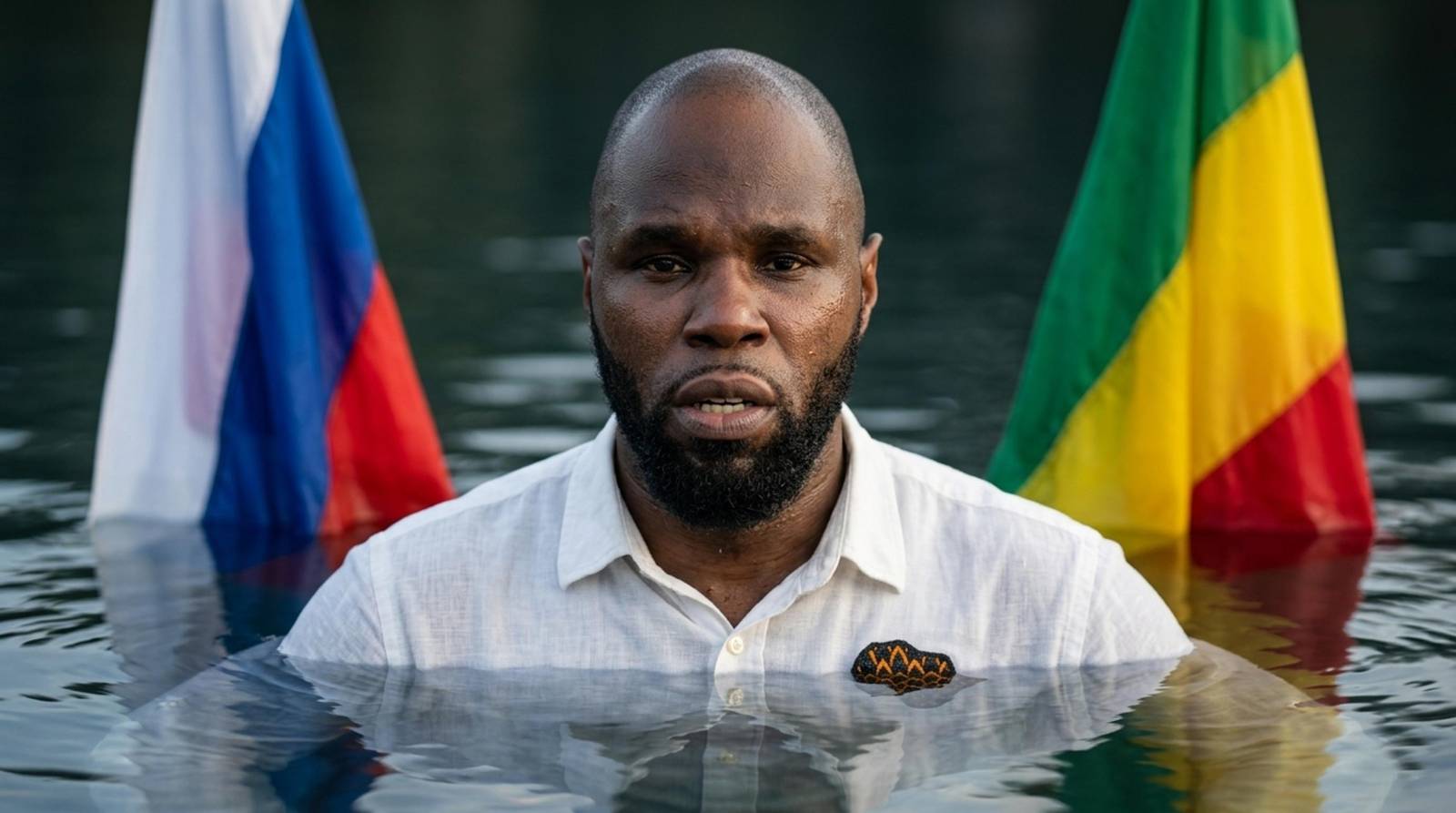
Sahel: why Russian strategy fails and panafrican voices shift
The situation in the Sahel is reaching a critical juncture. Recent events have exposed the harsh reality behind grand panafricanist theories and their supposed allies, leaving local populations caught in the crossfire.
Mali’s escalating crisis: a test for Russian military support
Over the past weekend, simultaneous attacks on Kati and Kidal military bases sent shockwaves across the region. Despite the deployment of the Africa Corps, the boldness and precision of armed groups revealed a harsh truth: Moscow’s promised security shield is far from invincible. These coordinated strikes in strategic zones have underscored the glaring limitations of a partnership that was sold as a game-changer but now appears to be losing momentum.
The limits of Moscow’s Sahel strategy
The failure of the Russian-backed approach in Mali is not an isolated incident. It reflects deeper structural weaknesses in a model that prioritizes quick military gains over long-term stability. When local armed groups can breach heavily guarded positions with such ease, it raises serious questions about the sustainability of this security model. For regional leaders, the message is clear: relying on foreign military support without addressing underlying governance and social issues is a risky gamble.
Kemi Seba’s shifting narrative: from ally to critic
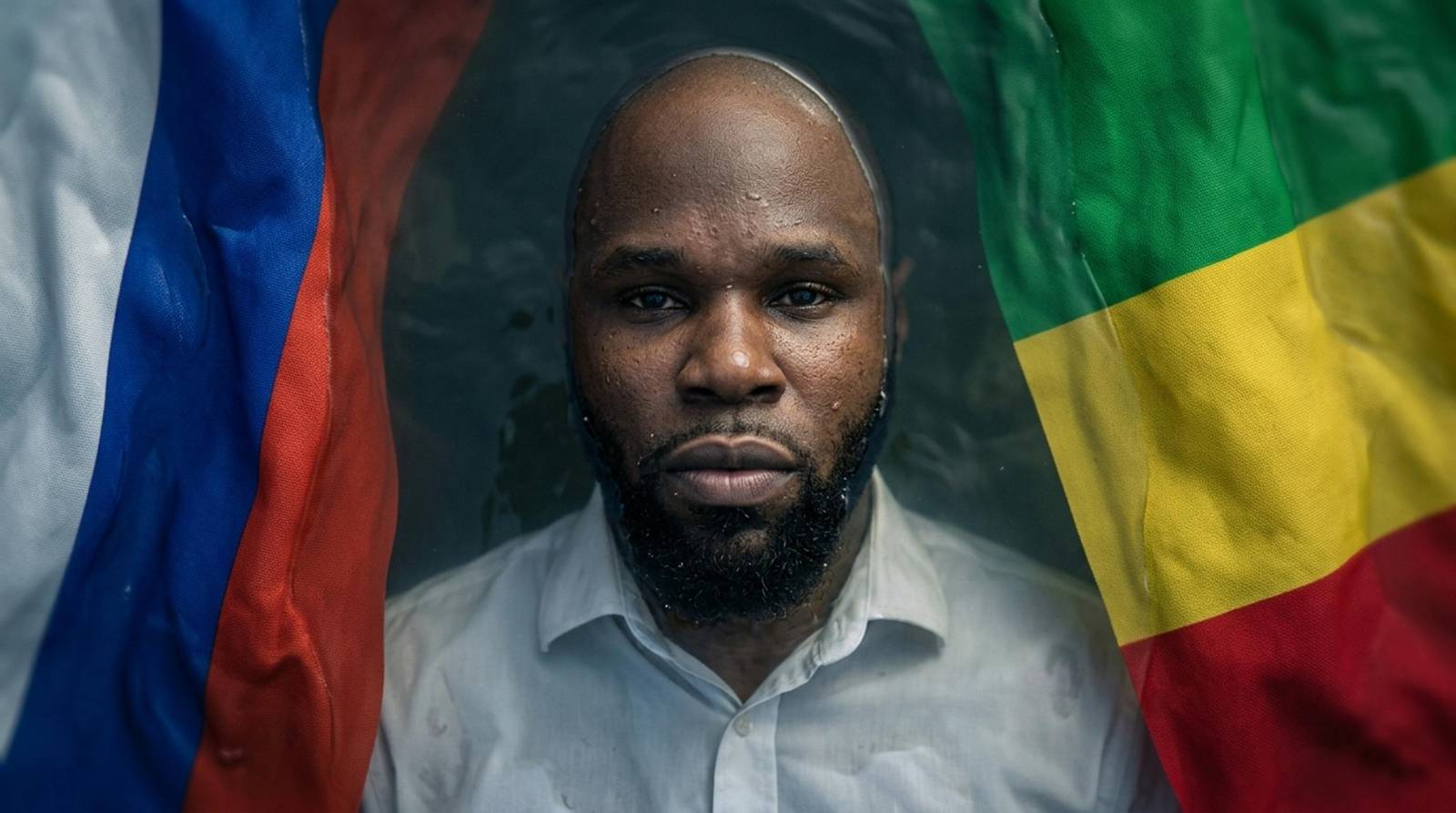 The activist Kemi Seba, once a vocal advocate for Russian influence in Africa, has dramatically altered his stance. No longer does he champion the Russian presence; instead, he now dismisses it as a purely transactional arrangement. But this shift in tone is not a sudden awakening—it’s the result of a growing disillusionment that has been building for years.
Seba’s forced relocation to South Africa following his arrest marked a turning point. His return to the public eye was accompanied by a notably sharper critique of Moscow’s role in the Sahel, particularly its focus on extracting mineral resources rather than fostering genuine regional development. This change in perspective aligns with the realization that the Kremlin’s priorities do not align with the panafricanist vision he once promoted.
A regional awakening
The disillusionment extends beyond Seba. For Burkina Faso and Niger, the unfolding crisis in Mali serves as a cautionary tale. The once-touted narrative of a miraculous Eastern alternative is now facing a brutal reckoning. As insecurity spreads and sovereignty is increasingly compromised, these nations are forced to question whether external military partnerships are worth the cost.
The Sahel’s search for a sustainable path
With the Russian strategy showing cracks and panafricanist voices recalibrating their positions, the people of the Sahel remain trapped in a cycle of violence. What they urgently need is not another foreign-backed intervention, but a locally driven solution that addresses their security needs without sacrificing their autonomy. Until then, the region’s future hangs in the balance, caught between fading promises and an uncertain reality.
