Political analyst criticizes Ousmane Sonko’s speaker move in Senegal
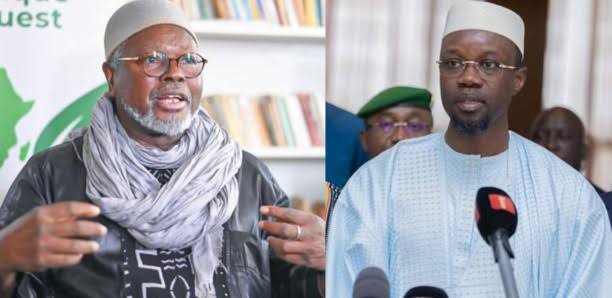
In a recent assessment of Senegal’s political landscape, Alioune Tine, founder of the Afrikajom Center think tank, shared his perspectives on the evolving dynamics within the country’s leadership. He dismissed the notion of a rift between opposition leader Ousmane Sonko and President Bassirou Diomaye Faye, though he acknowledged underlying tensions in their relationship.
Tine highlighted what he described as a tactical misstep by Sonko in accepting the presidency of Senegal’s National Assembly. In his view, Sonko’s long-term ambitions to lead the nation would have been better served by stepping back after his tenure as Prime Minister, allowing him to focus on strengthening Pastef and positioning himself for the 2029 presidential race.
The political analyst reserved high praise for El Malick Ndiaye, the former Assembly president, whom he credited with effectively steering the institution. Speaking on a local television program, Tine emphasized that Ndiaye was the ideal figure for the role, earning public trust and fulfilling the expectations of both citizens and lawmakers. He argued that Sonko’s presence in the Assembly presidency added little strategic value, as the majority of deputies already aligned with his movement.
Tine suggested that Sonko could have maintained oversight and influence over parliamentary affairs without holding the position directly. This approach, he asserted, would have allowed Ndiaye to continue his work without disruption while preserving Sonko’s political capital for future electoral battles.
