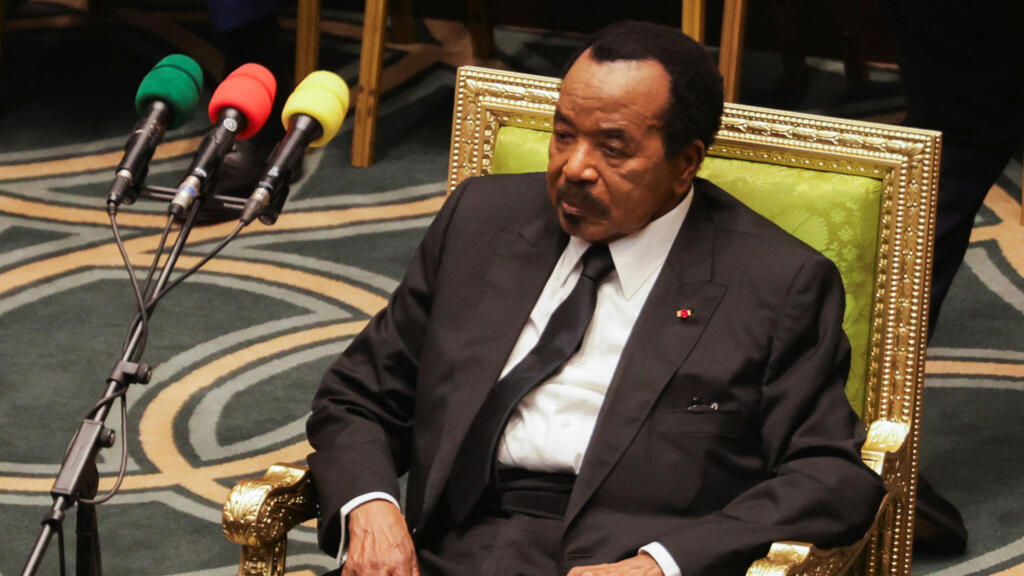
Paul Biya reshuffles Cameroon’s top judicial body after six years
Cameroon is poised for a judicial revival as President Paul Biya appoints fourteen new members to the Supreme Council of the Judiciary, an institution that has been dormant for nearly six years. This long-awaited move promises to unblock a stalled justice system and reignite the careers of hundreds of trained magistrates awaiting integration.
The newly appointed members, announced on June 2, will serve a five-year term, replacing a council that has not convened since 2020. Their primary mission? To restore dynamism to a judicial apparatus that has been paralyzed for years. The Supreme Council, chaired by the President himself, plays a critical role in overseeing the functioning of Cameroon’s courts and the professional development of judges.
Ending a judicial freeze
The prolonged inactivity of the Council has had severe consequences. Among them, the suspension of career advancements for judges and prosecutors, freezing the integration of new magistrates into the system, and delaying promotions. Hundreds of law graduates who completed their training during this period have been unable to begin their careers, leaving the justice system critically understaffed.
Signals of broader changes ahead
These appointments may also signal further leadership reshuffles in the coming weeks. Observers suggest that they could pave the way for the long-awaited formation of a new government—a process that has been stalled for six months—as well as the appointment of a Vice-President, a position created earlier this year but still vacant.
The reactivation of the Supreme Council of the Judiciary marks a turning point for Cameroon’s justice system. With the new members now in place, the government and judicial officials are hoping for swift action to restore efficiency and fairness to the courts.
