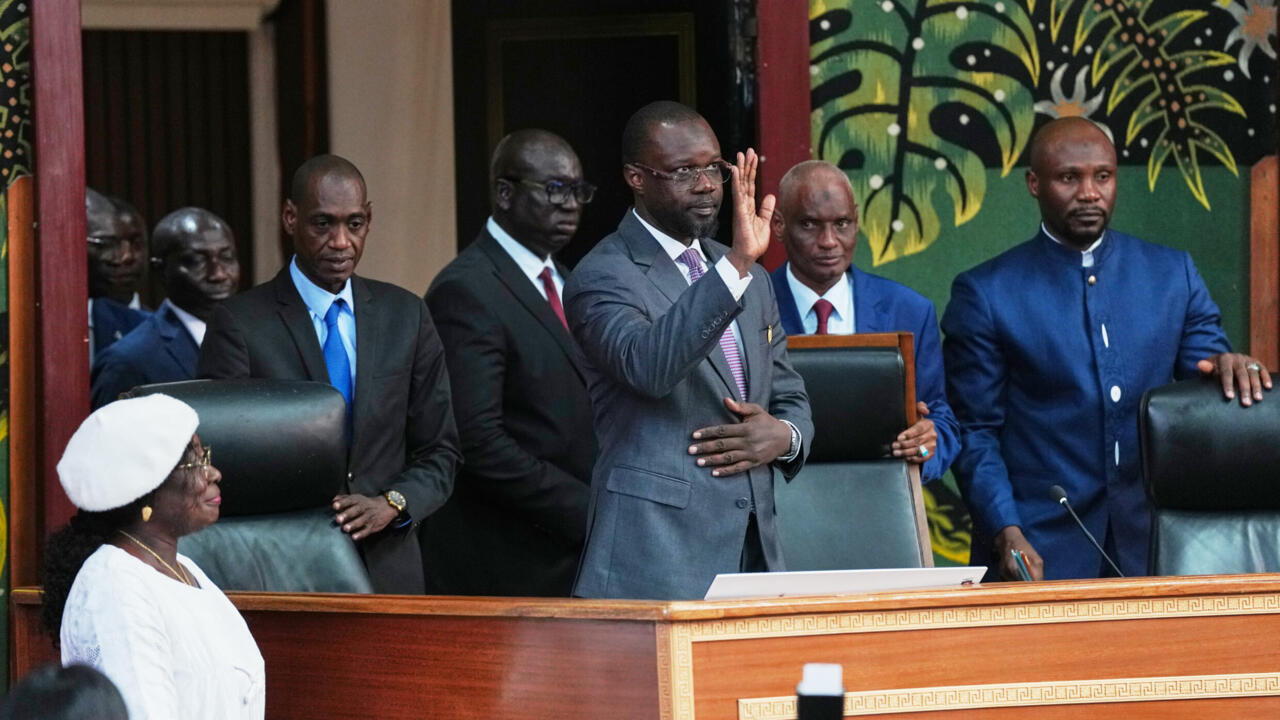
Ousmane sonko’s assembly presidency threatens Senegal’s stability
In Senegal, President Bassirou Diomaye Faye now faces a critical challenge: governing with an Assembly dominated by his political rival. Ousmane Sonko’s election as Speaker of the National Assembly on Tuesday morning raises pressing questions about the future of governance in the country. While Sonko has pledged to avoid institutional crises, his warning that the Assembly will not serve as a “rubber stamp” signals a potential power struggle ahead.
Political analysts, including Mamadou Lamine Sarr from the Cheikh Hamidou Kane Digital University in Dakar, are closely monitoring the situation. The new parliamentary dynamics could lead to legislative gridlock or, in a worst-case scenario, force the President to dissolve the Assembly and call early elections. The coming weeks will reveal whether Senegal can navigate this delicate cohabitation without descending into turmoil.
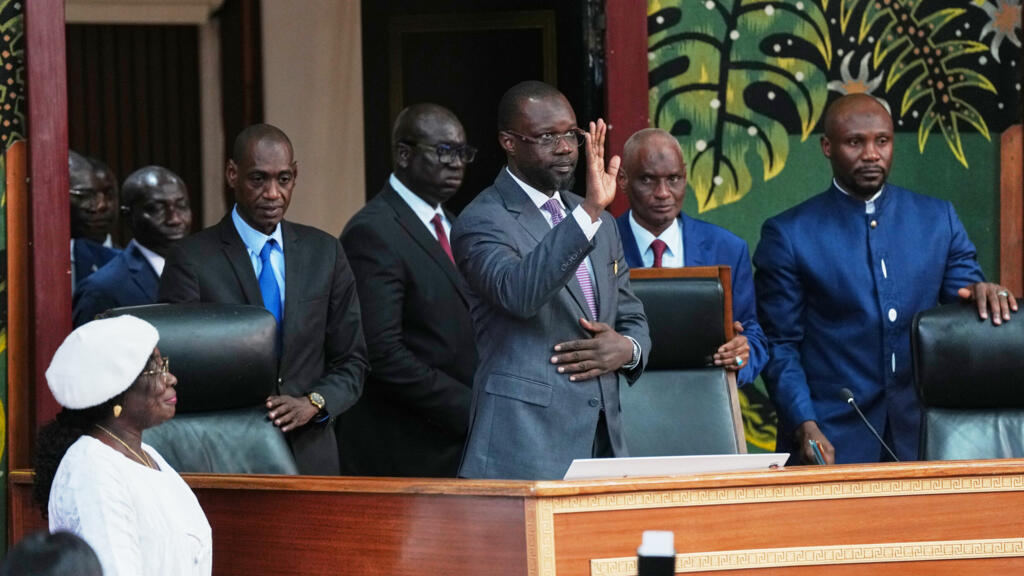
Senegal’s political landscape shifts dramatically
Ousmane Sonko’s rise to the Assembly presidency marks a seismic shift in Senegalese politics. Once a fierce opponent of President Faye, Sonko now holds a position that could either facilitate cooperation or escalate tensions. His rhetoric suggests he will assert the Assembly’s independence, potentially clashing with executive decisions. This development forces both political leaders to redefine their strategies for governing in a divided system.
The question on everyone’s mind is whether this cohabitation will remain stable or spiral into confrontation. Sonko’s emphasis on avoiding crises is reassuring, but his insistence that the Assembly will not simply approve government proposals without scrutiny suggests a rocky road ahead. Political observers warn that without careful negotiation, Senegal could face prolonged uncertainty.
What comes next for Senegal’s institutions?
Several scenarios could unfold in the coming months. The most immediate concern is legislative gridlock, where key bills might stall or be rejected outright. President Faye may consider dissolving the Assembly and calling snap elections to regain a parliamentary majority aligned with his policies. Alternatively, both sides could seek compromise, establishing working protocols to prevent institutional paralysis.
For now, the world watches Dakar as Senegal navigates this unprecedented political dynamic. The outcome will shape the country’s governance model and influence regional stability in West Africa.
