Ousmane sonko elected Senegal assembly president new prime minister appointed
Ousmane Sonko elected President of Senegal’s National Assembly after brief removal
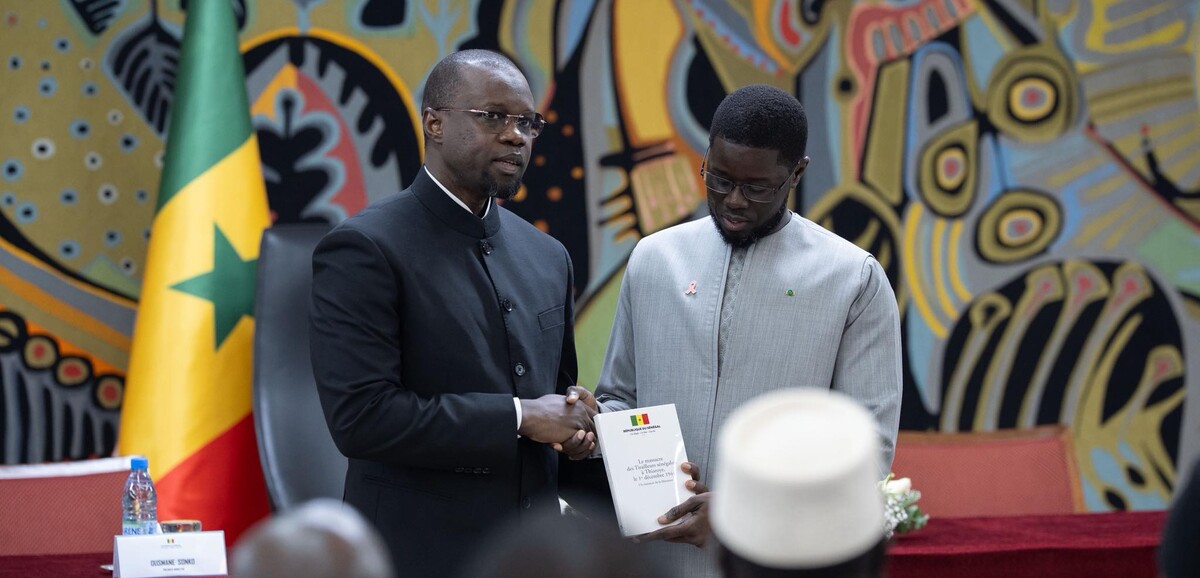
Five days after his dismissal as Prime Minister, Ousmane Sonko has been elected President of Senegal’s National Assembly. Meanwhile, President Bassirou Diomaye Faye has appointed a new Prime Minister to lead the government. The political landscape in Dakar is evolving rapidly as new leadership takes shape within the Assembly.
From dismissal to leadership: Sonko’s strategic return to the Assembly
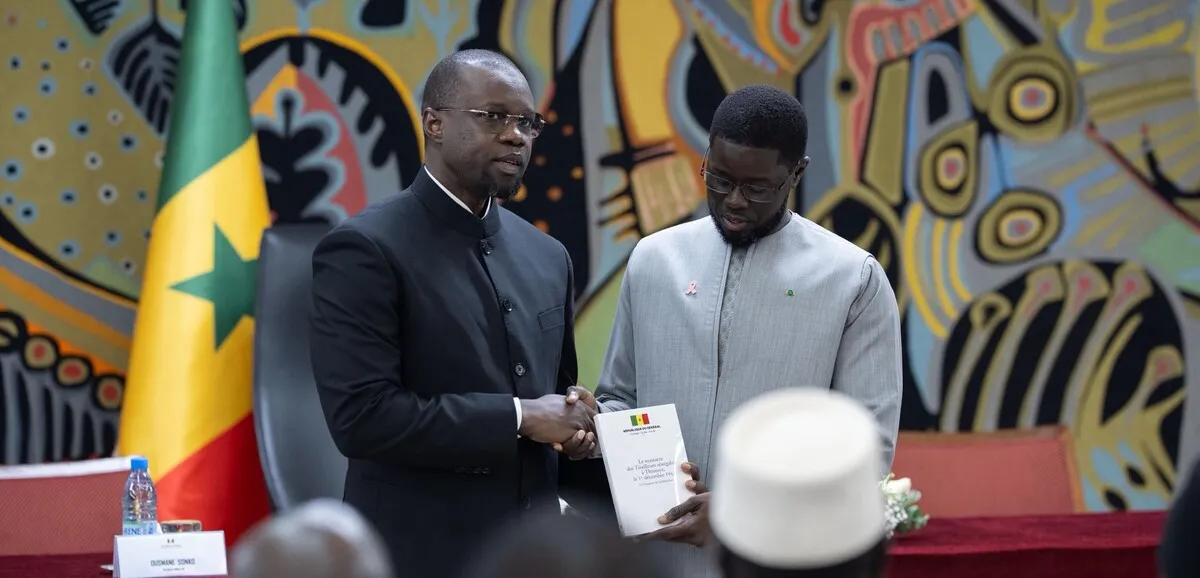
Following his sudden removal from the Prime Minister’s office, Ousmane Sonko’s swift reintegration as a deputy and subsequent election as President of the National Assembly has sparked discussions about parliamentary procedure. While some question the legality of his return, others see it as a strategic move within Senegal’s evolving political climate. The debate centers on whether Sonko’s reappointment complies with parliamentary rules or if it sets a new precedent for future parliamentary transitions.
Sonko’s path back to the Assembly began when he led the victorious list in the 2024 elections. Initially choosing to remain as Prime Minister, his eventual return to parliamentary duties reflects the dynamic nature of Senegalese politics. Legal experts continue to analyze whether his reintegration followed proper constitutional procedures, with some suggesting this could influence future interpretations of parliamentary eligibility.
Amadou Al-Aminou Lo appointed as Senegal’s new Prime Minister
The President’s choice of Amadou Al-Aminou Lo as the new head of government reflects a blend of technical expertise and political continuity. A respected economist and former central banker, Lo brings valuable experience in financial markets and monetary policy—critical skills in Senegal’s current economic climate. His appointment signals a focus on economic stability and financial governance during challenging global economic conditions.
Lo is not unfamiliar with the corridors of power in Dakar. His professional relationship with both President Bassirou Diomaye Faye and Ousmane Sonko spans several months, having previously served as Secretary-General of the government under Sonko’s leadership. This shared history suggests potential for smoother intergovernmental coordination between the executive and legislative branches.
Balancing technical expertise with political expectations
While some anticipated a more politically oriented appointment, the President’s selection of a technocrat underscores the priority placed on economic recovery and financial stability. Lo’s deep understanding of Senegal’s economic challenges positions him well to address pressing issues such as fiscal responsibility, inflation control, and sustainable development.
The new Prime Minister’s profile also carries symbolic weight. His appointment demonstrates a commitment to bridging technical governance with the political aspirations of the ruling party, particularly as Senegal navigates complex domestic and international economic pressures.
Sonko’s response: unity and dialogue take center stage
In his inaugural address as President of the Assembly, Ousmane Sonko emphasized the importance of national dialogue and consensus-building. While acknowledging the President’s constitutional authority to appoint the Prime Minister without consultation, Sonko expressed a preference for inclusive decision-making processes within the ruling party’s majority.
As head of the PASTEF party—the largest political force in Senegal and the majority in the Assembly—Sonko highlighted the need for collective governance. His statement, “We cannot build PASTEF without PASTEF,” underscores the importance of maintaining party cohesion while addressing the nation’s priorities, including economic reform, transparency, and justice.
Sonko’s call for dialogue extends beyond rhetoric. His emphasis on shared governance principles suggests potential avenues for collaboration between the executive and legislative branches, particularly on critical policy matters affecting Senegalese citizens.
Policy priorities: what matters most to Senegalese citizens
At the heart of Sonko’s address lies a commitment to the core issues that resonate with the Senegalese people. Economic hardship, accountability, and justice remain central to the PASTEF’s agenda. The new leadership faces the challenge of translating campaign promises into tangible policies that address the daily concerns of citizens across the country.
While the upcoming government’s composition remains a topic of speculation, Sonko’s remarks suggest that the focus should remain on principles rather than personalities. The success of the new administration will be measured not only by the individuals selected but by their ability to uphold the promises made to the Senegalese people and deliver on the PASTEF’s ambitious reform agenda.
