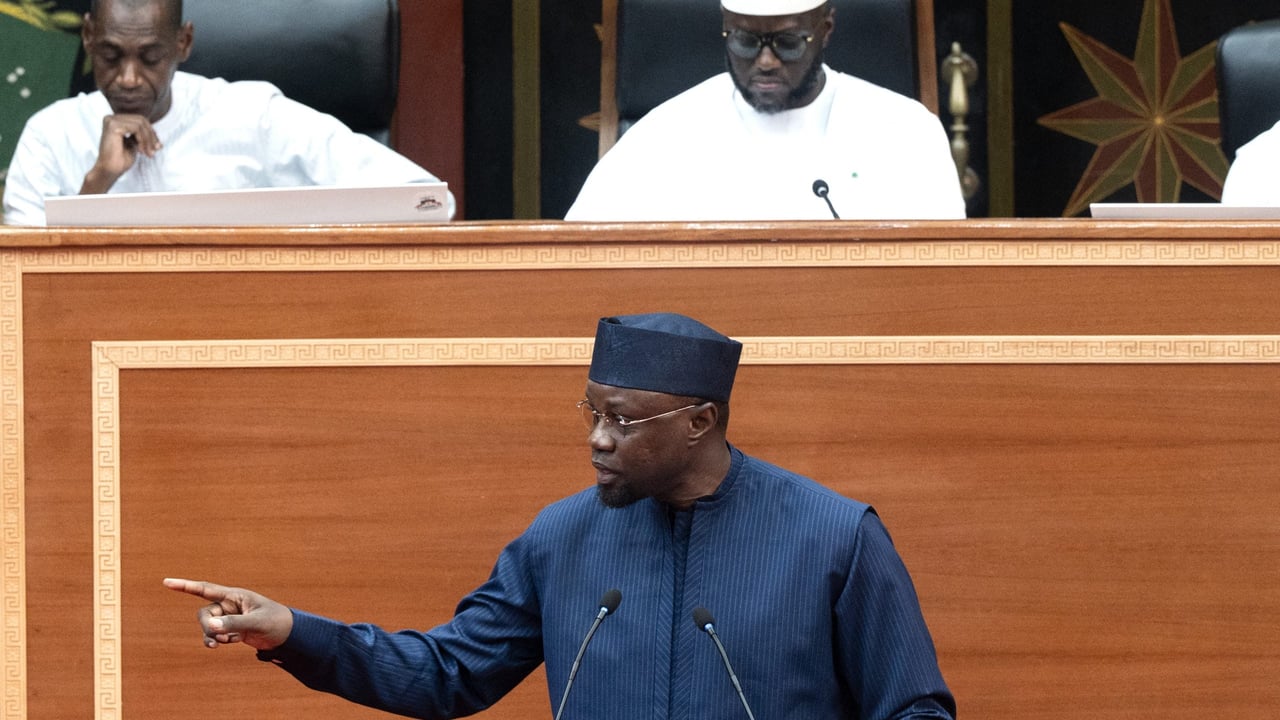
Ousmane sonko denounces western pressure on homosexuality in Senegal
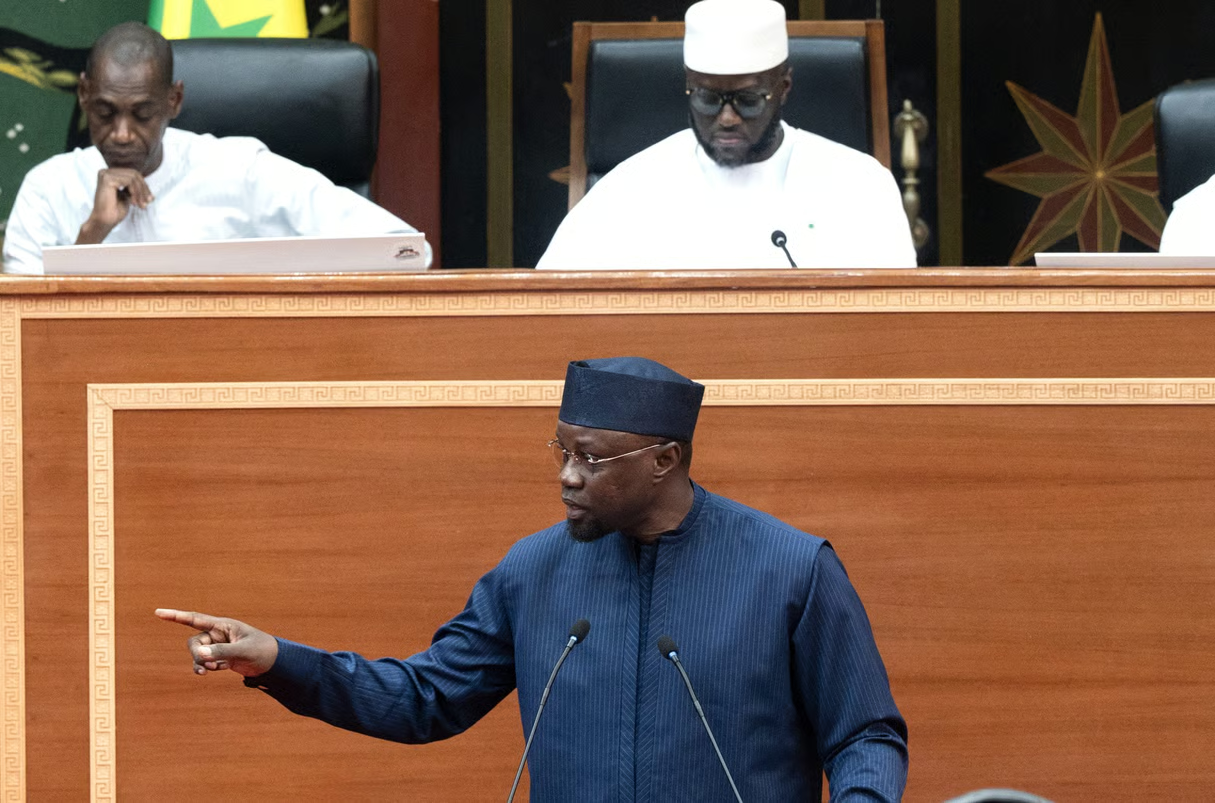
Prime Minister Sonko condemns Western attempts to impose homosexuality on Senegal
The Senegalese Prime Minister Ousmane Sonko has sharply criticized what he describes as Western efforts to force the acceptance of homosexuality across Africa, including Senegal.
Speaking at the National Assembly in Dakar, Sonko argued that these pressures undermine the country’s cultural and religious values. His remarks came during a parliamentary session where he addressed a range of national and international issues.
Cultural sovereignty under threat
Sonko emphasized that Senegal will not bow to external demands that conflict with its deeply rooted traditions. “We reject any attempt to impose foreign ideologies that contradict our societal norms,” he declared, drawing applause from lawmakers.
The Prime Minister’s stance reflects growing African resistance to Western human rights frameworks, particularly regarding LGBTQ+ rights. Senegal, like many West African nations, maintains conservative social laws that do not recognize same-sex relationships.
HIV/AIDS and public health concerns
During his address, Sonko linked the debate on homosexuality to broader public health challenges. He highlighted how certain advocacy efforts could divert attention from proven ways to combat HIV/AIDS, particularly through community-based prevention programs.
“Our focus must remain on evidence-based health strategies, not divisive social experiments,” he stated, stressing the importance of preserving Senegal’s social fabric while addressing health crises.
National unity and political stability
The Prime Minister’s comments also touched on national cohesion, warning against foreign interventions that could destabilize the country. He called for unity among Senegalese citizens, regardless of political or religious differences.
“Senegal’s strength lies in its diversity and shared values,” Sonko asserted. “We will not allow outsiders to dictate how we govern ourselves.”
His remarks have sparked discussions both in political circles and among civil society groups, with some praising his defense of national sovereignty and others questioning the broader implications of his stance.
