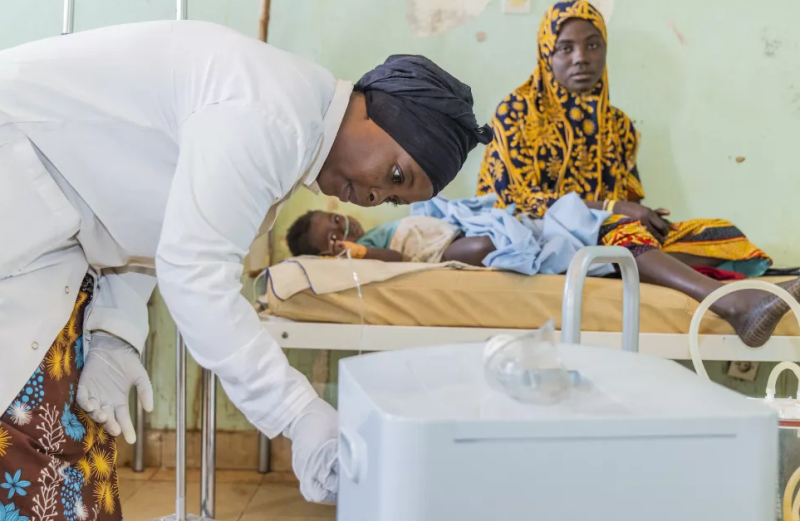
Niger health plan leverages integrated digital ecosystem
The Niger government has launched a comprehensive health initiative backed by a $179.3 million bilateral agreement with the United States, spanning five years. This landmark collaboration underscores a strategic shift toward sustainable healthcare transformation in the region.
Under the agreement, the U.S. will contribute $107.4 million to combat malaria, enhance maternal and child health, and strengthen epidemic surveillance systems. Meanwhile, Niger commits $71.9 million in domestic funding, demonstrating a strong commitment to local ownership of health programs.
a digital health backbone for early detection
Central to the initiative is a $5 million allocation for a global health security framework, featuring an integrated digital health ecosystem. This cutting-edge system will integrate six critical components:
- Electronic health records for seamless patient data management
- Laboratory and pharmacy management for streamlined operations
- Epidemiological surveillance to track disease outbreaks
- Health product inventory management to ensure supply chain efficiency
- National data warehouse for centralized health analytics
Washington emphasizes that this digital infrastructure will empower Niger to detect health threats early and respond rapidly, preventing outbreaks before they escalate.
aligning with global health priorities
This partnership reflects the U.S. ‘America First’ strategy in global health, with Niger as a key beneficiary. The initiative complements a similar $60.8 million agreement with the Dominican Republic, aimed at HIV/AIDS control and the implementation of a ‘7-1-7’ surveillance system.
Together, these agreements represent over $240 million in combined funding, blending U.S. support with partner-country investments. The Niger program positions the country as a model for integrated health system reforms in West Africa.
