Niger adopts digital payments to boost vaccination campaigns
Niger adopts digital payments to boost vaccination campaigns
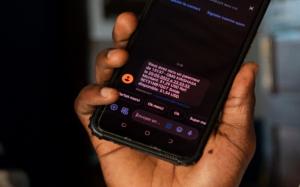
During the April 2026 National Polio Vaccination Days in the Niger capital of Niamey, a groundbreaking digital payment system for health workers and community volunteers was successfully implemented with technical support from the World Health Organization (WHO). More than 1,200 frontline vaccination workers received their payments digitally via mobile platforms, replacing the traditional cash-based transactions.
This innovative payment solution achieved remarkable efficiency—99% of all payments were processed within 48 hours of campaign completion, directly credited to the beneficiaries’ mobile wallets. The system significantly enhanced transaction traceability, eliminated cash handling delays, and reduced logistical hurdles associated with physical currency management. Initial challenges, particularly related to data quality and digital tool adoption, were swiftly addressed through targeted capacity-building initiatives coordinated by WHO Niger.
The foundation for this success was established well in advance. Between September 29 and October 3, 2025, WHO Niger organized an intensive digital payment training workshop for national and local vaccination stakeholders. Led by experts from the WHO Regional Office for Africa, the program guided the Ministry of Public Health and Hygiene in developing the framework for a comprehensive national digital payment ecosystem.
Digital payments for health workers represent a strategic advance in improving the transparency, accountability, and efficiency of public health interventions. By enabling faster, more secure, and fully traceable transactions, this model strengthens frontline motivation and enhances the overall effectiveness of vaccination campaigns. Following its successful pilot in Niamey, the system is being scaled up nationwide and adapted for broader public health initiatives—a testament to WHO Niger’s commitment to delivering measurable, on-the-ground impact.
