Niamey boosts local industry with minister’s factory visits
Niamey, July 15, 2026 — Economic self-reliance begins on the factory floor. In Niger, the push for local production is gaining momentum as authorities take stock of the nation’s industrial capabilities. Minister of Commerce and Industry Abdoulaye Seydou recently intensified his ground-level engagement by touring key manufacturing hubs across the capital.
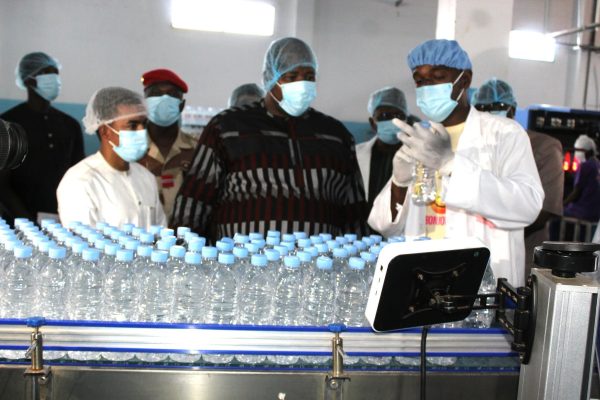
On July 14, the minister visited Sahel Agro Ingénierie—a leading processor of groundnut, sesame and tiger nut oils—followed by inspections at mineral water facilities Benie and Belvie. This wasn’t a routine check-in; it was a strategic move to evaluate progress, identify bottlenecks and chart a path forward for Niger’s industrial sector.
From peanut oil to bottled water: assessing Niger’s industrial pulse
At Sahel Agro Ingénierie, discussions centered on scaling up production. The company currently churns out 1,000 liters of oil daily, a figure authorities aim to increase to curb reliance on imported edible oils. The visit highlighted both achievements and hurdles, particularly in optimizing output and modernizing infrastructure.
The minister’s next stops—Benie and Belvie mineral water plants—offered a close-up view of quality control measures. From water purification to bottle sealing, every step was scrutinized to ensure compliance with international hygiene and manufacturing standards.
Energy, logistics and investment: the roadblocks to industrial growth
The factory tours sparked candid exchanges with business leaders. Key challenges emerged: unreliable energy supply, logistical bottlenecks and the need for fresh investment to expand production lines. These obstacles, if unaddressed, risk stalling Niger’s industrial ambitions.
Minister Seydou left no doubt about the government’s stance. Priorities include enforcing global quality benchmarks, stabilizing domestic pricing and fostering an industrial ecosystem that reduces import dependency while boosting national income.
Local production as the cornerstone of economic resilience
This latest initiative follows a series of similar visits across Niger, underscoring the administration’s hands-on approach to economic transformation. Local manufacturing isn’t just about goods—it’s about job creation, reduced import bills and long-term economic sovereignty. By maintaining this close dialogue with producers, the government is positioning Niger’s industries as the bedrock of sustainable growth.
