N’Djamena’s youth grapple with hardship through sand trade
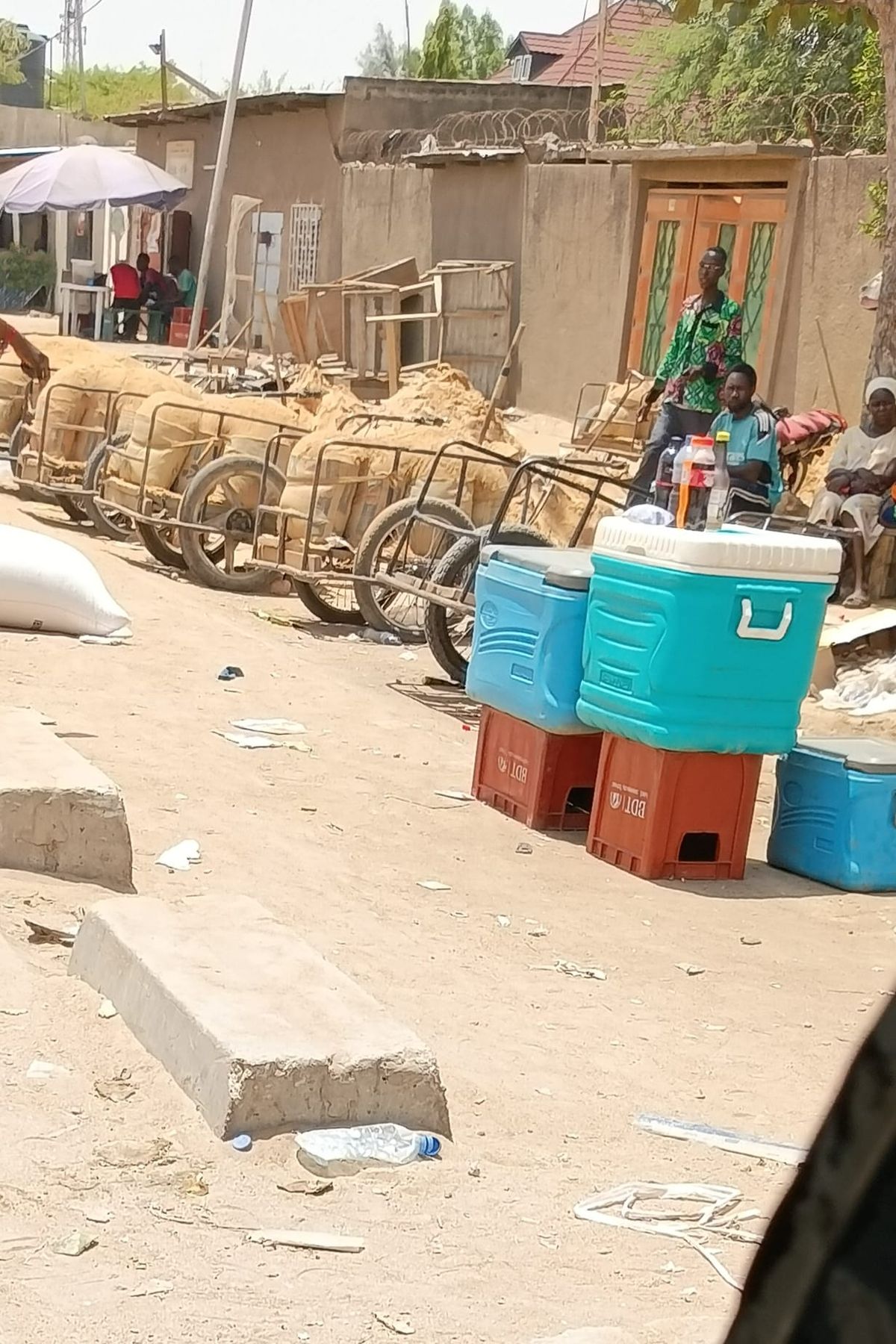
In the bustling 7th arrondissement of N’Djamena, where the heat shimmers off the tarmac, a different kind of hustle unfolds daily. Scores of young men have turned the grueling trade of sand hauling into their lifeline, a stark reality born from the city’s unforgiving unemployment crisis.
With Chad’s poverty rate projected to engulf 45.4% of its population—nearly 9.5 million people—these young laborers represent a generation caught between survival and despair. Under the merciless midday sun, they wait along the main road of Emtoukoui Market, their bodies straining under the weight of 50 kg sacks of sand, their faces etched with exhaustion and resignation.
The numbers tell a grim story. Official figures reveal that youth unemployment in Chad stands at 30.3% for ages 15 to 24. For those aged 15 to 30, the rate hovers around 22%, but for educated youth, the situation is even more dire, with over 60% struggling to find formal employment.
From diplomas to dust: the harsh reality
Treading the fine line between necessity and dignity
For many of these young men, education offered no escape. The school doors that once seemed promising now stand closed, leaving them with little choice but to embrace physical labor. The sand trade, while backbreaking, has become a last resort—a way to earn enough to keep hunger at bay, even if it means carrying their livelihood on their shoulders.
« This isn’t a job we chose; it’s one we were forced into, » admits a worker, his voice barely rising above the hum of the city. « We have no other way to put food on the table. The exhaustion is real, but so is the need to survive. » His words echo the sentiments of countless others who wake up each day to the same relentless grind.
Survival at a price
The economics of this trade are as fragile as the sacks they carry. Rates fluctuate wildly—from 2,000 to 5,000 West African CFA francs—based on distance, terrain, and the client’s willingness to pay. For these young laborers, every franc counts, yet their earnings often fall short of covering even basic needs.
The sand they transport doesn’t just build roads or fill construction sites; it sustains families, pays school fees, and sometimes, barely, keeps roofs over heads. Yet, their contributions go largely unnoticed, a silent testament to the resilience of a generation navigating an economy that offers them no formal foothold.
In Emtoukoui and across N’Djamena, these young workers are not asking for pity. They are asking for a chance—one that many fear may never come. Until then, they will continue to wait, their backs bent under the weight of sand and uncertainty, their eyes fixed on the horizon for the next customer willing to pay for their labor.
