N’Djamena’s urban order challenge: addressing poverty for lasting change
N’Djamena’s urban order challenge: addressing poverty for lasting change
In N’Djamena, the effort to curb urban disorder highlights a critical dilemma: confronting structural poverty is essential to avoid ineffective and fleeting punitive measures.
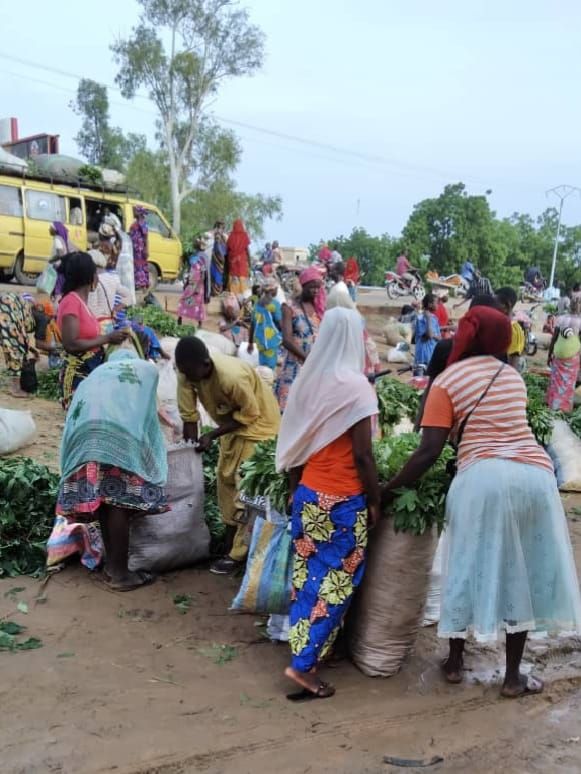
Municipal authorities in N’Djamena have declared a resolute stance: zero tolerance for urban disorder. This initiative targets the unregulated occupation of public thoroughfares, the visible presence of beggars on city streets, and what are deemed inappropriate behaviors by certain security personnel. The capital of Chad appears to be embarking on a new, stringent phase of regulation, aiming to restore public order and modernize its urban landscape.
Conceptually, this ambition is entirely understandable. No city can function effectively or sustainably amidst chaos, and the pursuit of an organized urban environment is a legitimate objective. However, a crucial question persists: can the symptoms of disorder truly be addressed without examining their root causes?
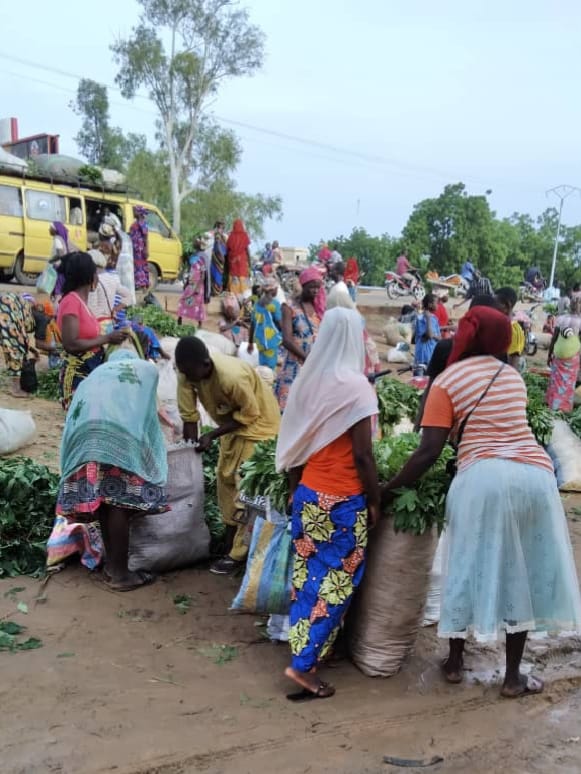
Beneath the surface of frequently criticized street scenes lies a deeper, more systemic reality: widespread poverty. In N’Djamena, much like in numerous other African capitals, public spaces are not merely sites where urban regulations are flouted. For a significant segment of the population, these areas represent a vital means of survival. Informal vendors, panhandlers, and unemployed youth often occupy public thoroughfares not by choice, but out of absolute necessity.
Within this context, a response based solely on repression risks merely displacing the problem rather than resolving it fundamentally. Removing unauthorized street occupations without offering viable economic alternatives, or intensifying controls without implementing supportive social policies, amounts to treating the symptoms while neglecting the underlying ailment.
Therefore, the challenge extends beyond mere security or aesthetics; it is profoundly social, economic, and political. A truly “modern” city is not forged solely through urban clean-up operations or public discipline campaigns. It is also built by fostering opportunities, integrating and supporting the informal sector, ensuring access to employment, and providing care for vulnerable populations.
While a zero-tolerance approach might create the illusion of order, an order imposed without genuine inclusion is likely to be fragile and temporary. As long as structural poverty remains endemic, the streets will continue to serve as a refuge for many.
Perhaps the fundamental question isn’t: how do we eliminate urban disorder? Rather, it should be: how do we transform the societal conditions that render such disorder inevitable?
It is this comprehensive approach, rather than a singular focus on punitive measures, that N’Djamena must confront today.
