Morocco’s textile circular economy could draw $1.9 billion in private investment
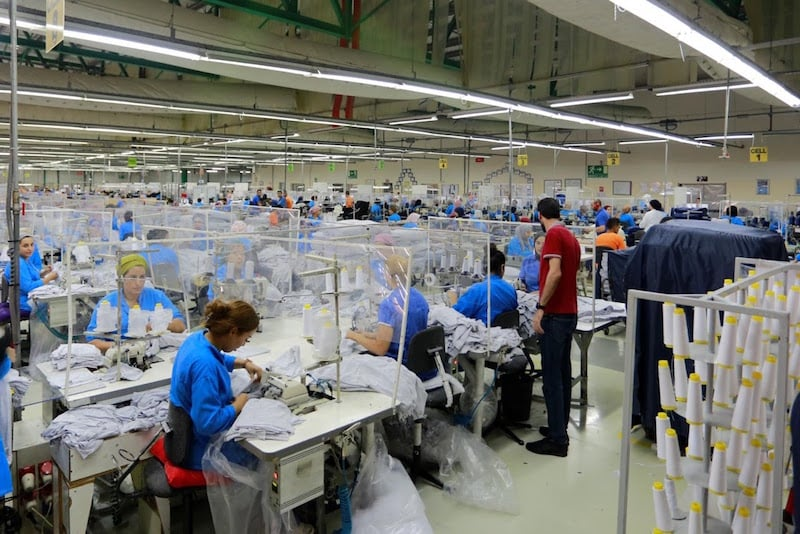
Morocco stands on the brink of a textile revolution as circular economy principles unlock a potential 1.9 billion dollars in private investment and spark the creation of over 30,000 jobs. This transformative shift hinges on recycling textile waste, slashing environmental impact, and meeting Europe’s demand for transparently sourced garments. The findings, highlighted in a recent financial assessment, position the North African nation as a key player in reshaping the global textile industry.
A pilot initiative, developed with strategic support, has already surpassed its original targets by more than double. The initiative has processed 2,400 tonnes of textile remnants for recycling, with 427 tonnes successfully converted into new materials. This success marks a significant milestone for an industry traditionally fragmented among informal collectors, small workshops, and low-value markets.
The transition to recycled fibers offers substantial environmental benefits, including an 18% reduction in carbon emissions and a 60% decrease in water consumption compared to conventional methods. These advantages align closely with the growing expectations of European buyers and consumers, who increasingly scrutinize the environmental and ethical credentials of their clothing.
Europe’s demand for traceable and sustainable textiles
A critical driver behind this potential boom is the continent’s strict regulatory framework. The European Union, which accounts for 93% of Morocco’s textile exports, will soon enforce a digital product passport starting in 2027. This system will require suppliers to embed traceable data—accessible via QR codes or NFC chips—detailing the environmental footprint, origin, and composition of every garment. Compliance with these standards will become essential for accessing premium markets.
Formalizing an informal workforce
The circular textile economy also promises to bring long-overdue structure to an unregulated labor sector. Currently, over 80% of textile waste collectors in Morocco operate without formal recognition. However, targeted public policies could integrate up to three-quarters of these workers into the formal economy within five years. This shift would enhance income transparency, improve social protections, and elevate professional standards across the sector.
A strategic opportunity for sustainable manufacturing
Morocco’s advantageous position—bolstered by its proximity to Europe, established manufacturing base, and global demand for eco-friendly textiles—makes it uniquely poised to become a regional leader in sustainable apparel production. To fully capitalize on this potential, the country must implement targeted reforms, including the official recognition of textile waste as a reusable resource, streamlined customs regulations, and robust traceability systems aligned with EU norms.
