Morocco’s population outlook by 2060: urban growth and aging trends
Morocco’s demographic shift: steady growth with a silver lining
Projections from Morocco’s High Commission for Planning (HCP) outline a nation transforming over the next 36 years. Based on a medium-term scenario, the country’s population is expected to rise from 36.8 million in 2024 to 43.3 million by 2060, marking a 17.8% increase. This translates to an average annual addition of 182,000 residents, reflecting a gradual slowdown in growth that will eventually lead to near-stagnation by mid-century.
Urban expansion reshaping the landscape
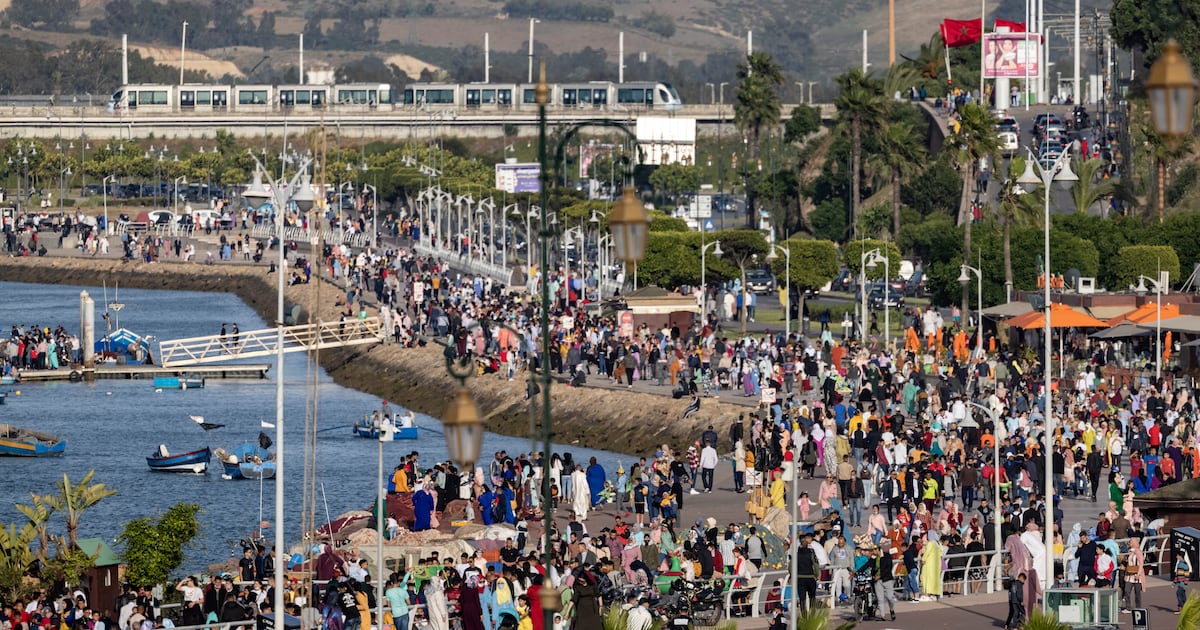
By 2060, urban dwellers are projected to reach 32.5 million, accounting for roughly three-quarters of the population. In stark contrast, rural populations will shrink to 10.8 million, intensifying challenges tied to rapid urbanization. The HCP emphasizes the need for strategic public policies to address housing, infrastructure, and social services, ensuring balanced territorial development and preventing disparities between regions.
The institution also highlights the urgency of revitalizing rural areas to retain younger generations, improve living standards, and harness local resources. This dual focus on urban planning and rural renewal aims to sustain Morocco’s social and territorial equilibrium.
Fewer births, fewer classrooms: rethinking education
The decline in fertility rates will significantly reduce the number of young children. The preschool-age group (4–5 years) is expected to drop by 23.8%, from 1.25 million to 960,000. Similarly, primary school-aged children (6–11 years) will decrease by 27%, falling from 4.16 million to 3.04 million. The first cycle of secondary education (12–14 years) will see a 22.9% decline, while the 15–17 age bracket will shrink by 11.4%.
These demographic shifts present an opportunity for Morocco’s education system. With fewer children requiring schooling, resources can be redirected from building new classrooms to enhancing teaching quality, curriculum development, and student support systems. This transition could foster a more robust and effective learning environment for future generations.
Workforce dynamics: growth, disparities, and challenges
The working-age population (15–59 years) will grow from 22.08 million to 24.96 million by 2060, an increase of 13.1%. However, this growth is unevenly distributed. Urban areas will see a 34.4% rise, driven by rural-to-urban migration, while rural regions will experience a 25.4% decline. The HCP warns that this urban influx will place significant pressure on local labor markets, demanding targeted employment strategies.
Young adults aged 18–24, key contributors to the workforce, will see a slight national decline of 3.1%, though urban areas will record an 11.3% increase, offsetting rural losses of 28.3%. Meanwhile, the 50–59 age group will surge by 44.9%, reflecting broader aging trends. This demographic window—where the working-age population grows faster than dependent groups—offers Morocco a critical period to invest in skills development and job creation before the full impact of aging takes hold.
Aging population: the rise of a silver generation
Residents aged 60 and older will more than double, from 5 million in 2024 to 10.9 million by 2060, growing at an average annual rate of 2.2%. Their share of the population will climb from 13.6% to 25.2%, a demographic shift with profound implications. Urban areas will see a 256% increase in septuagenarians, while rural regions will experience a more modest rise.
This trend stems from decades of declining fertility and reduced mortality, compounded by internal migration patterns. As post-1975 birth cohorts reach retirement age after 2035, the pace of aging will accelerate, posing challenges for pensions, healthcare, and intergenerational support systems. Traditional family structures, already strained by urbanization, may further erode, prompting the need for innovative social policies.
Preparing for a new demographic era
The HCP underscores that aging is an irreversible structural trend, demanding proactive public policies. Education, employment, territorial planning, and social protection systems must adapt to a Morocco that grows more slowly but ages more rapidly. Investing in lifelong learning, healthcare accessibility, and inclusive urban design will be essential to harnessing this demographic transition for national progress.
