
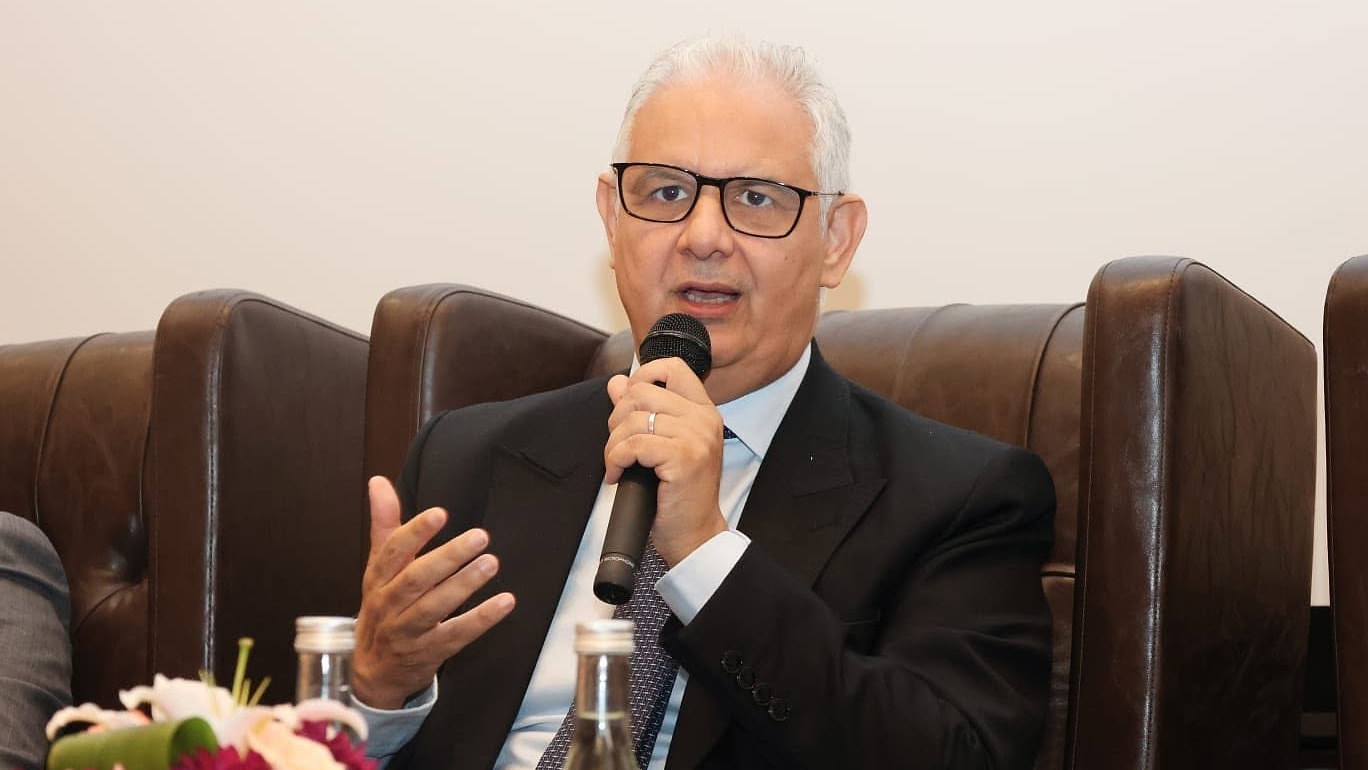
The Secretary-General of Morocco’s Istiqlal Party, Nizar Baraka, has called on centrist parties to move beyond mere dialogue and become proactive forces in addressing global challenges. Speaking at a meeting of the International Democratic Centrist (IDC), he emphasized the need for dynamic diplomacy to counter rising international tensions.
Baraka highlighted the importance of youth and women’s participation in shaping foreign policy, advocating for a more inclusive approach to international relations. He underscored Morocco’s diplomatic priorities, from strengthening ties with African nations to advancing the Sahara issue on the global stage.
Centrist parties urged to adopt a proactive stance
In his address, Baraka stressed that centrist parties must transition from passive discussions to active engagement in international affairs. He argued that their influence could be pivotal in resolving conflicts and fostering stability, particularly in regions facing geopolitical instability.
The Istiqlal leader also called for greater collaboration among centrist movements worldwide, positioning them as key players in promoting peace and sustainable development. His remarks reflect a broader push within Morocco’s political landscape to redefine its diplomatic strategy amidst evolving global dynamics.
Morocco’s diplomatic vision: Africa and the Sahara at the forefront
Baraka’s speech placed a strong emphasis on Morocco’s foreign policy objectives, particularly its commitment to the African continent and the Sahara region. He reiterated the kingdom’s stance on the Sahara issue, advocating for a solution that aligns with international law and the principles of self-determination.
The Secretary-General also highlighted Morocco’s role in fostering economic and political partnerships across Africa, positioning the country as a bridge between the continent and the wider world. His remarks come at a time when Morocco is seeking to consolidate its diplomatic influence in the region.
Youth and women: The next generation of diplomats
Baraka’s call for greater youth and women’s involvement in diplomacy reflects a growing recognition of their potential to shape foreign policy. He stressed that their inclusion could bring fresh perspectives and innovative solutions to complex international challenges.
The Istiqlal leader’s vision aligns with Morocco’s broader efforts to promote gender equality and youth empowerment in all sectors, including diplomacy. By integrating these groups into the decision-making process, he believes Morocco can enhance its diplomatic effectiveness and global standing.