Military juntas in west africa sideline civilian allies after takeovers
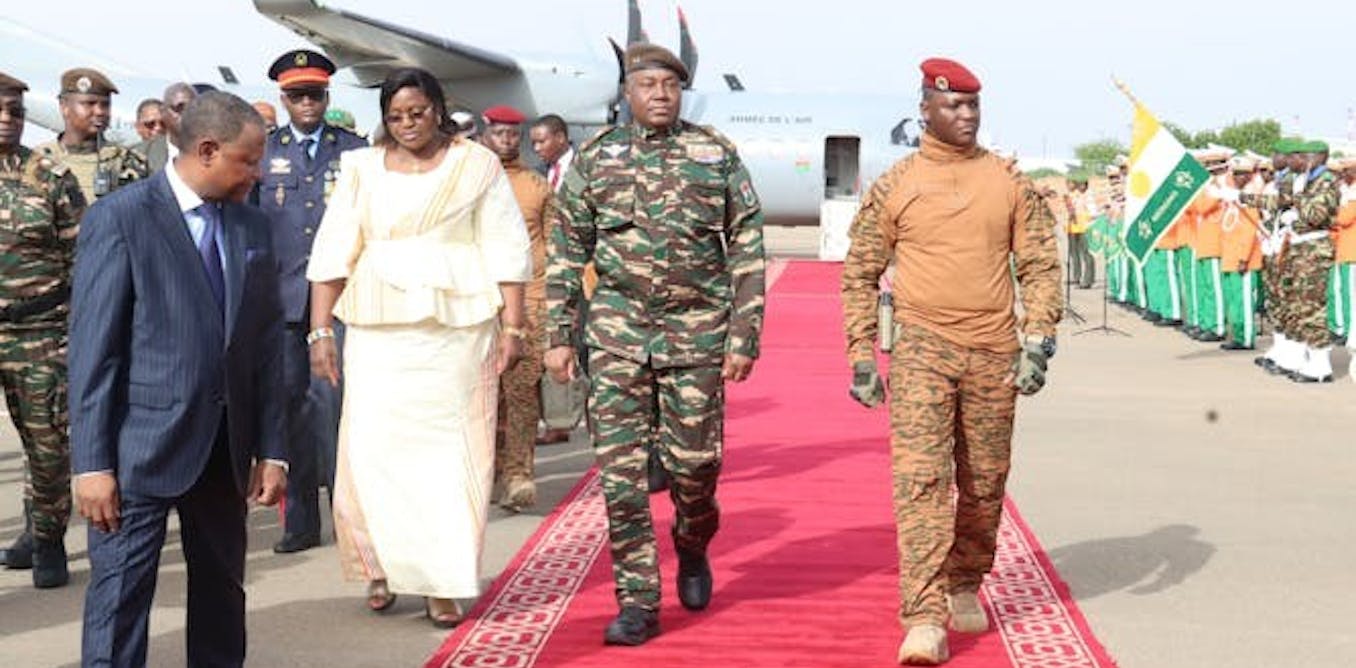
The end of January 2026 marked the definitive end of partisan politics in Burkina Faso. On January 29, Captain Ibrahim Traoré’s government officially dissolved all political parties, including those that had backed his 2022 coup.
While these parties had already been suspended upon Traoré’s rise to power, the junta framed this move as part of a broader “restructuring” effort to reduce social divisions and consolidate state control. In reality, it stripped away the last remnants of independent civic participation and centralized authority under Traoré’s leadership. Party assets were seized by the state.
Though the junta initially benefited from enthusiastic civilian backing, this latest decision starkly contradicts its earlier rhetoric of popular mobilization and revolutionary renewal. Yet the pattern is far from unusual.
civilian support fades as military regimes tighten their grip
Across the Sahel and beyond, Africa’s military coup backers often discover that early popularity does not translate into lasting political influence. Coups that begin with broad public support frequently end with the same juntas turning against or suppressing the groups that helped install them—a trend spanning decades.
Having studied military takeovers for nearly a decade, including recent West African coups, I’ve observed that once in power, military leaders prioritize retaining authority over sharing it. Civilian allies may swell the streets during early days, providing legitimacy and the illusion of a popular mandate. But they quickly become liabilities.
Civilian groups bring their own leaders, constituencies, and demands—expecting inclusion in post-coup transitions. When they challenge delays or mobilize supporters, juntas see their independence as a threat. Early enthusiasm should never be mistaken for a durable mandate or an inclusive transition.
from Mali to Burkina Faso: the pattern repeats
Contrary to common perception, many coups in Africa—including recent Sahelian takeovers—attract active civilian support. Protest movements, opposition parties, and civil society groups often celebrate military interventions as necessary correctives to unpopular regimes. For coup leaders, this backing offers instant legitimacy.
Yet history shows that alliances forged in the wake of coups rarely endure. As civilian groups push for representation in new governments, juntas frequently sideline, marginalize, or even repress them. This cycle transcends regions and ideologies.
Mali’s M5-RFP: from coup backers to vocal critics
The Movement of June 5 – Rally of Patriotic Forces (M5-RFP), a coalition of opposition parties, religious leaders, and activists led by imam Mahmoud Dicko, was among the first to hail Mali’s 2020 coup against President Ibrahim Boubacar Keïta. The movement hoped to shape the transition but was swiftly sidelined. After Colonel Assimi Goïta’s second coup in 2021, the M5-RFP’s influence dwindled further, culminating in exclusion from key posts.
Guinea’s opposition: initial cheerleaders, later targets
In Guinea, opposition leaders who initially welcomed General Mamady Doumbouya’s 2021 coup found themselves similarly sidelined. Despite urging the Economic Community of West African States (ECOWAS) to refrain from sanctions, party figures were barred from meaningful roles in the transition. Within a year, some were arrested for opposing their exclusion.
Sudan (1969) and Egypt (2013): echoes of betrayal
The pattern isn’t new. In Sudan, the Communist Party backed Colonel Jaafar Nimeiri’s 1969 coup but was purged within months, culminating in brutal repression by 1971. In Egypt, the Tamarod protest movement’s support for General Abdel Fattah el-Sisi’s 2013 takeover gave way to a shrinking civic space and vanished influence.
what does it mean for west africa’s political future?
The dissolution of political parties in Burkina Faso fits a well-established template: civilian backing can trigger a coup, but it rarely secures lasting influence. As military regimes consolidate power, they prioritize control over collaboration. For civilian allies, the lesson is clear—early alliances offer no guarantees in an environment where power, once seized, brooks no sharing.
