
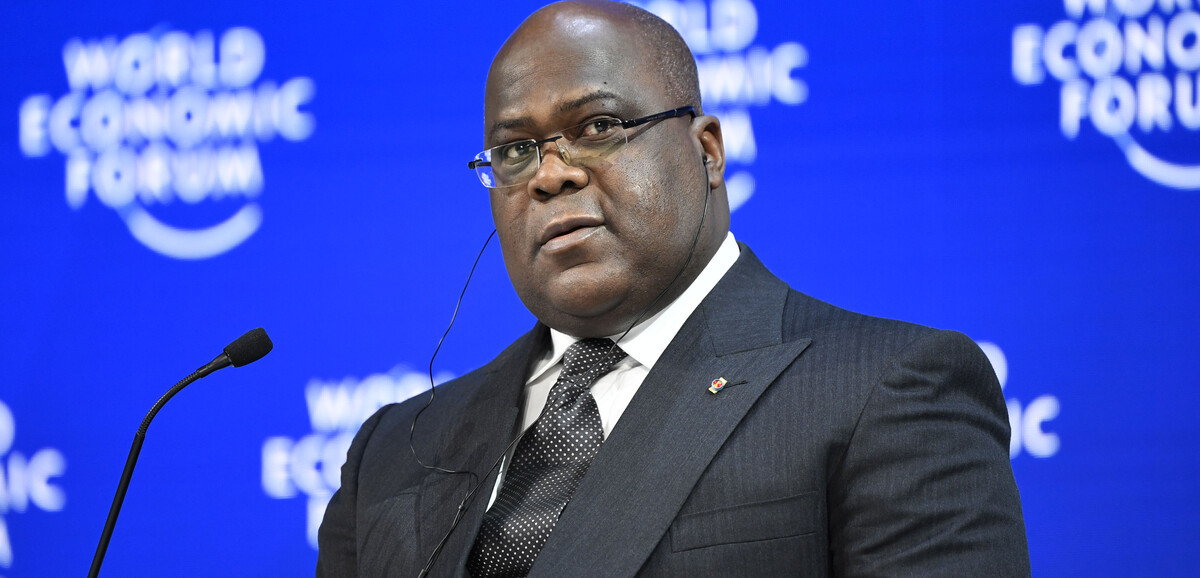
mass gatherings banned in DRC to curb Ebola ahead of opposition rally
The Congolese government has imposed a ban on large-scale gatherings in Kinshasa and three additional provinces as a precautionary measure against the spread of Ebola. This decisive action comes just days before a planned opposition demonstration scheduled for July 8, aimed at challenging President Félix Tshisekedi’s leadership.
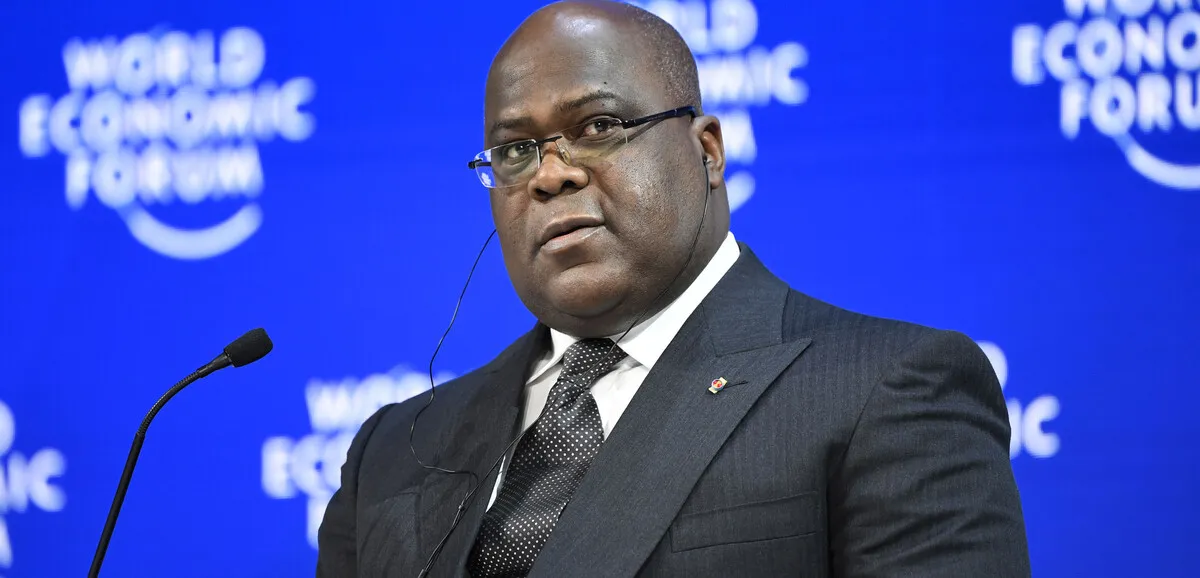
In an official directive dated June 27, Interior Minister Jacquemain Shabani instructed local authorities to prohibit “mass gatherings” to “prevent the transmission of the Ebola virus”. While the order does not explicitly mention the upcoming opposition protest, its timing raises significant questions about its intended scope.
a dual crisis: health and political tensions
The Ebola outbreak, declared on May 15, has claimed 360 lives and infected 1,274 individuals across the country. Though the northeastern provinces remain the epicenter, Kinshasa—a sprawling metropolis of over 17 million—has so far avoided local transmission. Authorities are nonetheless taking no chances.
The political climate has grown increasingly volatile following the adoption of a controversial constitutional reform bill by a parliamentary majority loyal to President Tshisekedi. Critics argue the proposed changes could pave the way for a third presidential term, despite constitutional limits on mandates. The bill now awaits presidential approval.
Tensions escalated on June 12 when a previous opposition rally, protesting what opponents termed a “constitutional coup”, was forcibly dispersed by security forces. Clashes between demonstrators, government supporters, and law enforcement resulted in multiple injuries, with the United Nations reporting “at least one fatality” among protesters.
Undeterred, opposition leaders have vowed to proceed with their July 8 demonstration, demanding President Tshisekedi’s resignation. Minister Shabani has gone so far as to denounce the call as an “act of high treason”.