Mali’s escalating crisis: government rejects negotiations amid widespread blockade and hunger


Mali: la population sous blocus crie famine, le gouvernement refuse de négocier avec les «terroristes»
Addressing the diplomatic community within the nation, the Foreign Minister of Mali responded to local political factions advocating for dialogue with jihadist groups occupying parts of the country. Abdoulaye Diop unequivocally stated, «I must clarify that the government has no intention of engaging in dialogue with these unprincipled terrorist armed groups, who bear the responsibility for the tragic events our people have endured for years.»
This declaration underscores a clear governmental strategy focused on direct confrontation on the battlefield. In line with this approach, Mali has reportedly received fresh military supplies from Russia, as confirmed by our regional correspondent.
In the northern regions, a primary objective for the authorities is to regain control of Kidal, a city currently held by armed factions. This strategic imperative likely explains why Russian-affiliated forces and the Malian army have fortified their positions in Aguelok, another city in the same region, following their withdrawal from two other localities within Kidal’s vicinity.
Concurrently, in the South, efforts are concentrated on reopening crucial transportation routes blocked by jihadist groups, which have imposed new blockades. As of this Saturday, hundreds of vehicles, travelers, and essential goods remained stranded across various points in the country.
À lire aussiMali: combats en vue dans la région de Kidal, durcissement du blocus jihadiste sur Bamako
Blockades severely impact local populations
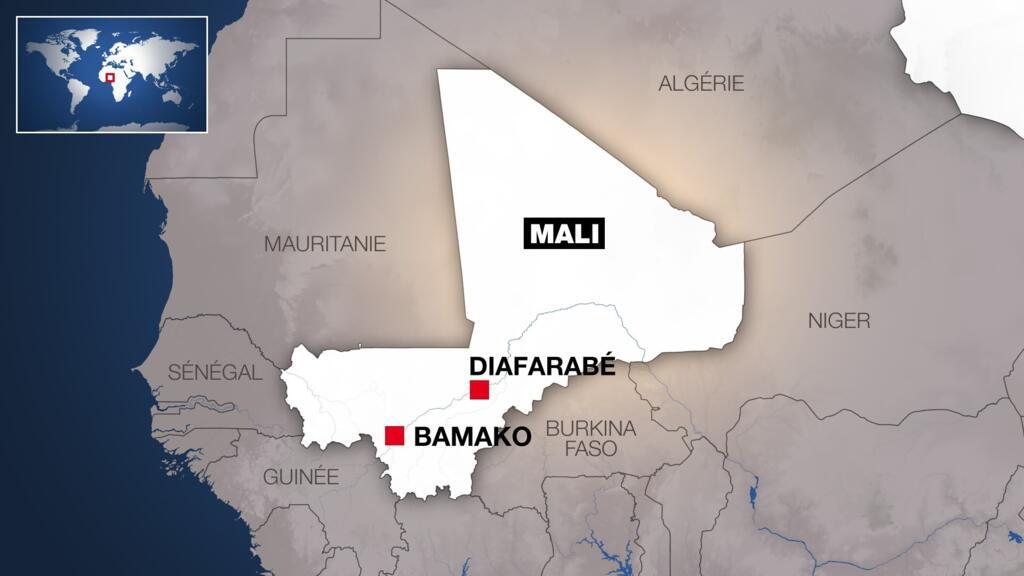
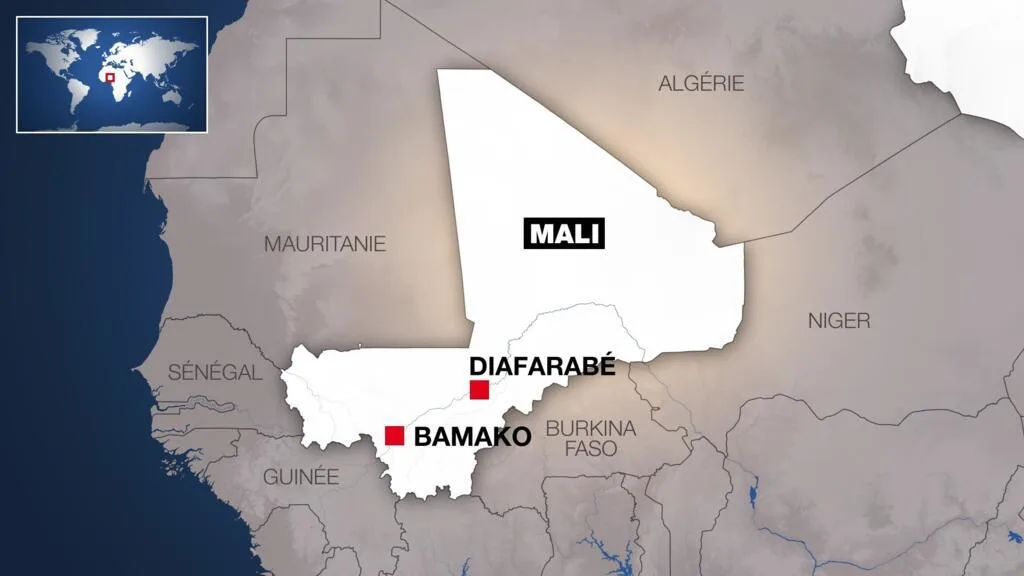
In central Mali, specifically in Diafarabé, within the Mopti region, the humanitarian situation remains dire. The town has been under a strict Jnim-imposed blockade for nearly a year, since May 12, 2025.
Despite a plea for assistance launched by residents to transitional authorities last Saturday, widely circulated through social media, no relief has yet materialized. The scarcity of food and basic necessities has reached a critical point. Supplies are exhausted, medicines are almost non-existent, and healthcare is severely inadequate for a population worn down by the prolonged blockade. Amidst fear, shortages, and isolation, inhabitants describe a profound sense of despair.
A resident, reached by phone, recounted the severe conditions: «No one enters, no one leaves. The blockade is absolute. All our food reserves are gone; famine is setting in. We spoke with military detachment officials, who promised a convoy of supplies soon, but we are still waiting. This discussion happened after a demonstration by our youth and women. The despair is overwhelming now! There is nothing left! Previously, during flood season, we managed to bring in some provisions by river, little by little, despite all the dangers. I myself was shot during one of those attempts and fractured my arm. I’m much better now, but here, it’s purely about survival. Our only wish, for now, is to have food. That’s all we ask for.»
