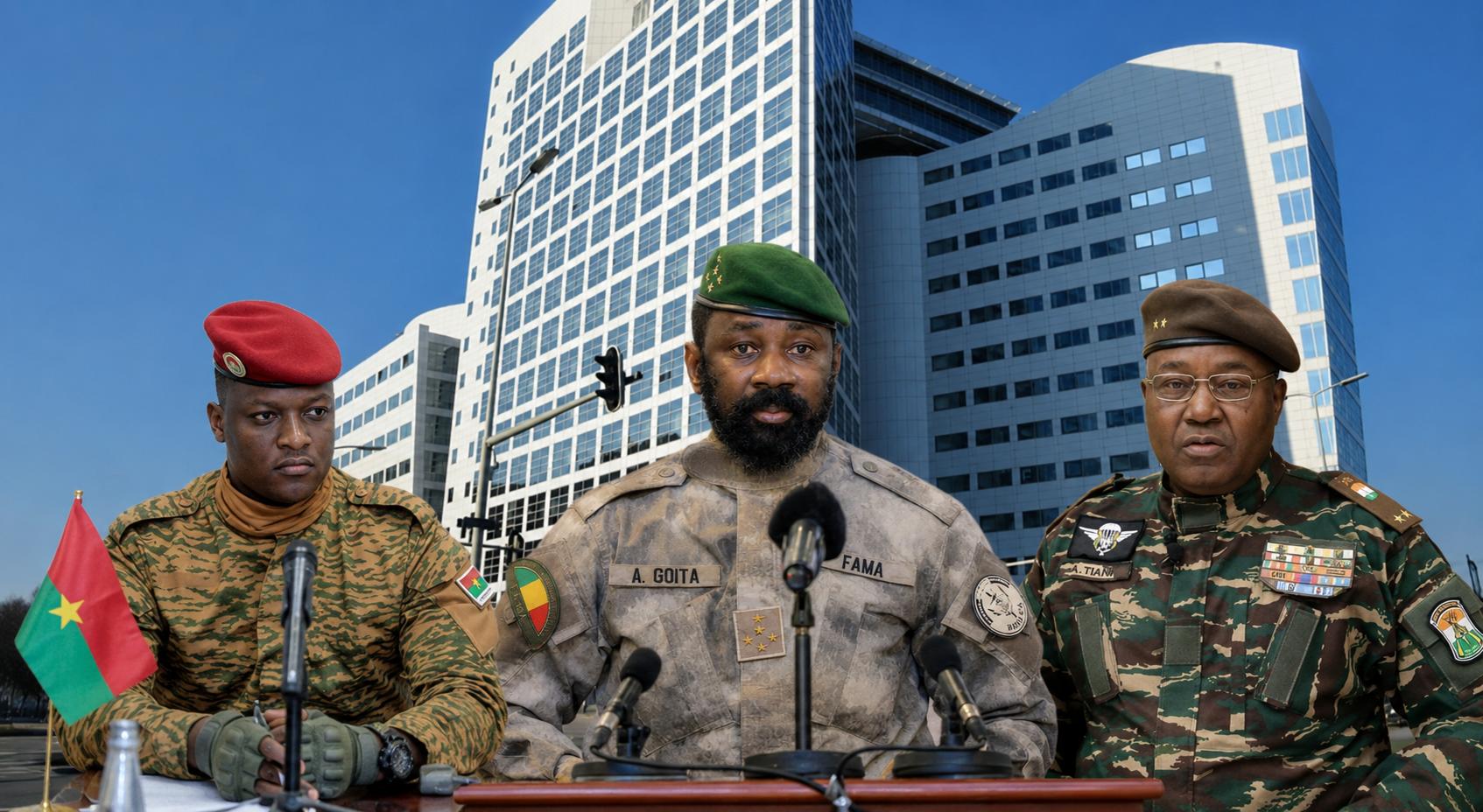
Mali Burkina Niger why their break with the international criminal court matters
The recent announcements from Bamako, Ouagadougou, and Niamey have sent shockwaves through the global legal community. Following Niger’s lead, Mali and Burkina Faso have formally declared their withdrawal from the International Criminal Court (ICC), marking a decisive break from the Rome Statute. This coordinated move by the Alliance of Sahel States (AES) leaderships reveals a calculated strategy rather than a sudden policy shift.
Behind the rhetoric of sovereignty and justice
The official statements from these military regimes paint a familiar picture: the ICC is framed as a neo-colonial tool, a selective justice system allegedly manipulated by Western powers. Yet beneath the nationalist and populist rhetoric lies a far more calculated motive. By severing ties with The Hague, these governments are not merely asserting sovereignty—they are constructing a legal firewall to shield their leaders and forces from accountability.
The ICC was established to address the gravest crimes—war crimes, crimes against humanity, and genocide—when national judiciaries fail or refuse to act. In regions plagued by asymmetric warfare, human rights reports consistently document atrocities not only by armed groups but also by state forces and their allies, including foreign mercenaries. By withdrawing, the Malian, Burkinabe, and Nigerien authorities are essentially buying time, betting that no international body will ever hold them accountable.
The populist shield and the reality of impunity
Critics have long argued that the ICC’s focus on Africa was disproportionate, a narrative once rooted in legitimate concerns. However, recent cases in Ukraine and the Middle East have dismantled that claim. The court’s jurisdiction is not confined to one continent, making the AES’s justification increasingly hollow.
History shows that states withdrawing from the ICC often do so out of fear—fear of prosecution, fear of exposure, fear of losing control. The precedent set by Burundi in 2017 underlines this pattern: authoritarian regimes retreat from international scrutiny to entrench power and silence dissent. The Sahel’s military juntas are now following suit, tightening their grip by suppressing free speech, cracking down on civil society, and severing ties with international observers.
Who pays the price? The civilians caught in the crossfire
The people of the Sahel are the first to suffer the consequences of this legal withdrawal. Trapped between the brutality of terrorist groups and the unchecked violence of state forces, they are left without a safeguard. While the ICC can still pursue cases for crimes committed during the time these countries were part of the Rome Statute, the message sent is clear: the door to international justice is closing.
This retreat from accountability sends a dangerous signal across the region. It emboldens regimes to escalate repression without fear of consequences. Yet history warns that impunity does not bring stability—it only delays reckoning, making the eventual fall of dictatorships even costlier for the people they claim to protect.
