
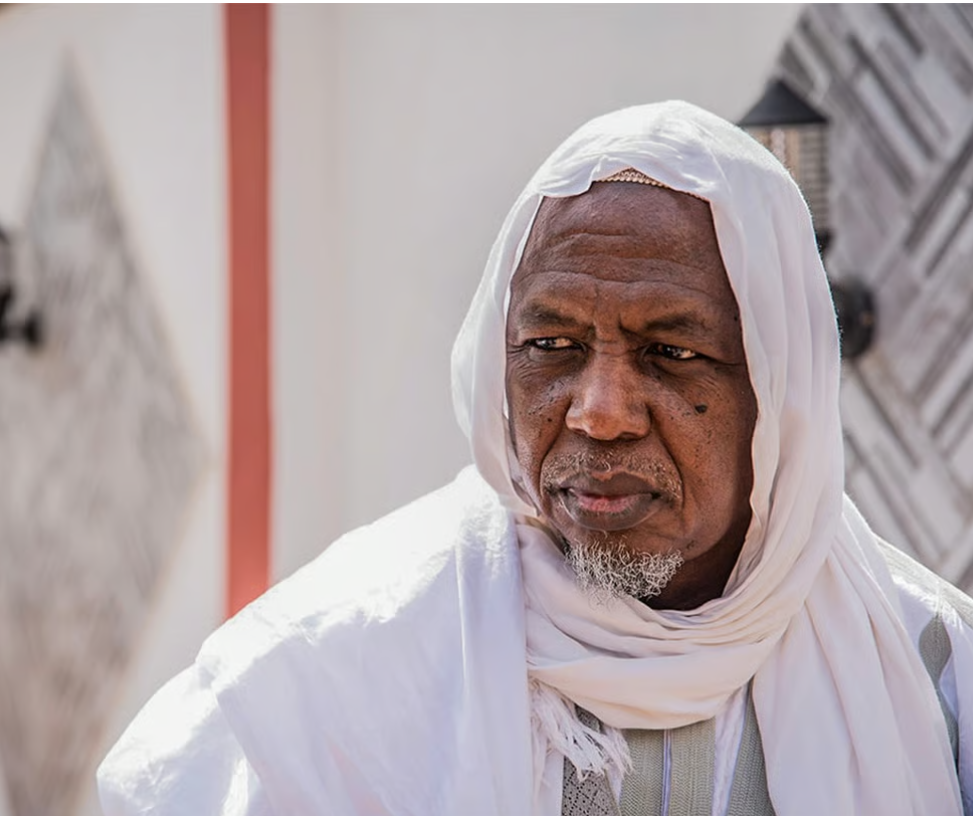
After fifteen grueling months of diplomatic deadlock, Mali and Algeria have finalized a landmark thaw in their relations. The resumption of ambassadorial exchanges and reopening of air corridors has reshaped the geopolitical chessboard across the Sahel. At this pivotal juncture, the fate of Imam Mahmoud Dicko—a towering socio-political figure currently living in exile in Algeria—hangs in delicate balance. His trajectory now intertwines with this broader climate of détente, where pragmatic dialogue and democratic aspirations converge.
From confrontation to conciliation: tracing the roots of the rupture
The seeds of the crisis were sown in late 2023, when political tensions between Bamako and Algiers escalated sharply. Malian authorities accused Algeria of overstepping diplomatic boundaries by hosting meetings with Tuareg rebel factions from northern Mali—conversations held without the consent of Mali’s transitional government. Tensions reached a breaking point when Mali unilaterally withdrew from the 2015 Algiers Peace Accord, a move perceived in Algiers as a direct challenge to its regional mediation role. The rupture was swift: ambassadors were recalled, airspace was closed, and for fifteen months, all official channels of communication remained frozen—a void that cast a long shadow over security dynamics in the Sahara-Sahel belt.
Behind the scenes: the quiet diplomacy that melted the ice
Recognizing that prolonged hostility served neither nation’s interests, discreet diplomatic channels worked tirelessly to rebuild trust. The breakthrough unfolded through tangible gestures of reconciliation:
- Ambassadors return home: Diplomatic envoys resumed their posts in Bamako and Algiers, restoring essential lines of communication for crisis management.
- Skies reopen: Commercial and military flights resumed, symbolizing renewed economic and security cooperation across the shared border.
- Security cooperation revived: With terrorist threats persisting, intelligence-sharing has been reinstated to safeguard the 1,300-kilometer frontier.
This diplomatic thaw underscores the resilience of regional diplomacy, prioritizing collective stability over bilateral grievances.
Mahmoud Dicko: a pivotal voice for Mali’s democratic transition
The resumption of Mali-Algeria relations raises urgent questions about the future of Imam Mahmoud Dicko. Exiled since the onset of the crisis, the influential cleric now stands at a crossroads—one that could redefine Mali’s political landscape.
Far from being a mere opposition figure, Dicko represents a moderating force and a unifying symbol across Mali’s diverse social fabric. As a central figure in the 2020 mass protests that toppled President Ibrahim Boubacar Keïta, he has consistently advocated for an inclusive, constitutional return to civilian rule. In a nation grappling with fragmentation and the search for national cohesion, his voice carries immense moral weight. His insistence on a broad-based national dialogue positions him as a linchpin for any credible transition toward democracy.
Negotiating the return: stakes and opportunities
The diplomatic thaw between Bamako and Algiers forces a reckoning with Dicko’s status. While Algiers may curb his political activities to avoid straining ties with Bamako, the moment also presents a historic chance for mediation. As a key regional player, Algeria could leverage Dicko’s influence by facilitating direct, structured talks between the imam and Mali’s transitional authorities. A carefully managed return for Dicko—framed as a peacemaker rather than a dissident—could signal a pivotal shift toward national reconciliation and democratic renewal.
Diplomacy as a catalyst for democracy
The Mali-Algeria rapprochement marks a turning point for Sahelian stability. By closing a chapter of fifteen months of confrontation, both nations affirm that cooperation—not confrontation—is the only viable path forward. Within this equation, Imam Mahmoud Dicko’s role emerges not as a stumbling block, but as a strategic asset.
By harnessing his moral authority and unwavering commitment to civilian rule, Bamako and Algiers can transform diplomatic normalization into a catalyst for peace, stability, and democratic governance in Mali.