Libreville’s waterfront revival boosts Gabon’s urban future
Libreville’s waterfront revival boosts Gabon’s urban future
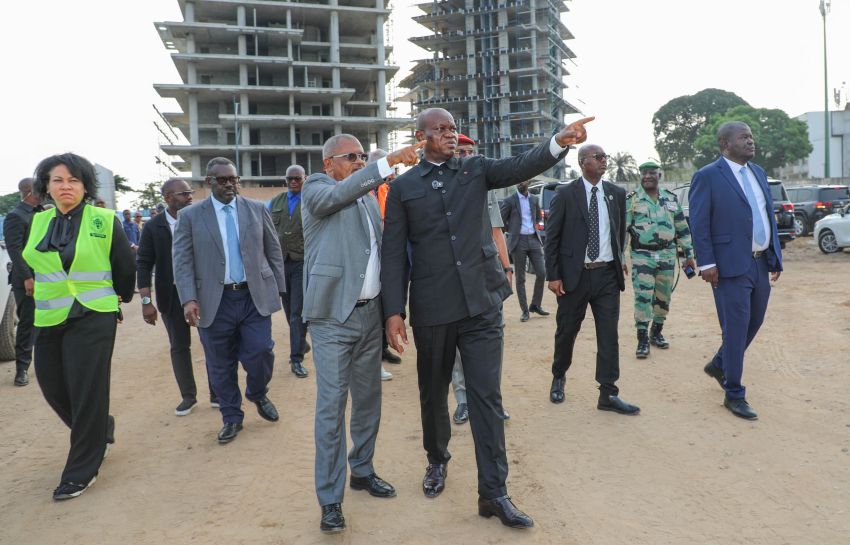
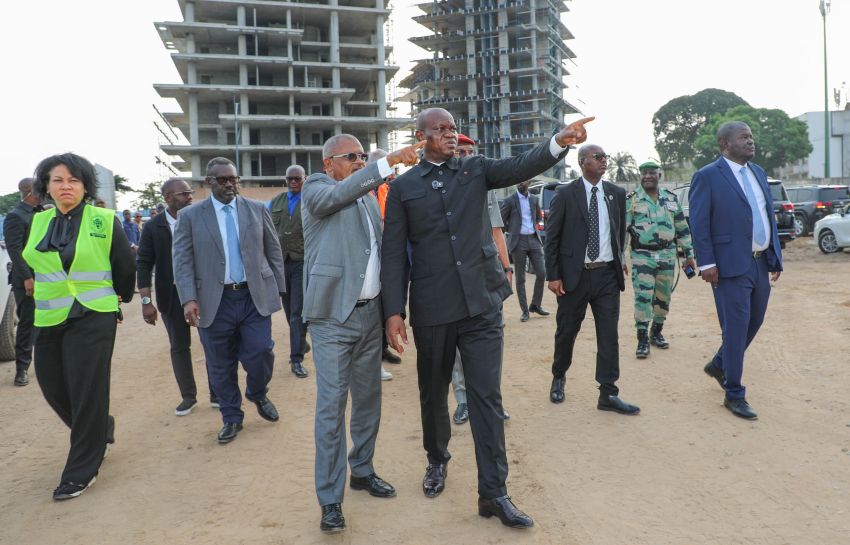
Libreville, June 11, 2026 – President Brice Clotaire Oligui Nguema inspected the capital’s major waterfront construction sites on Wednesday, signaling a renewed commitment to transforming the coastal area into an economic powerhouse and urban landmark.
The transformation of a nation often begins with visible, tangible progress. In Libreville, the waterfront is rapidly emerging as the most compelling testament to this philosophy. Just hours after launching 200 new taxis under the Taxi Gab initiative, the Head of State personally visited the ongoing waterfront projects—a move that underscores a governance approach centered on hands-on supervision and direct engagement with critical infrastructure.
During the tour, the President assessed the progress of key developments poised to reshape Libreville’s urban landscape and enhance its economic appeal.
Revitalizing Libreville’s coastal identity
The first stop was the Gué-Gué Bridge area, where a sleek, modern complex is rising to house corporate offices and residential units. Spearheaded by Mika Service, led by Alain-Claude Kouakoua, this project exemplifies the capital’s broader push toward urban modernization.
Yet its significance extends beyond architecture. This development reflects a strategic shift in urban planning: Libreville is no longer merely reacting to immediate needs. It is proactively crafting a future that attracts investors, businesses, and service-oriented industries by creating spaces with long-term value.
The President’s decision to arrive at the site via a Taxi Gab driven by a woman driver was deliberate. It highlights the government’s commitment to linking large-scale urban projects with economic inclusion and citizen empowerment initiatives.
A coastal zone engineered for growth
The inspection continued along the expansive shoreline development stretching from Gué-Gué Bridge to Baie des Rois. Widely regarded as the most ambitious project in Gabon’s capital, this initiative aims to do more than beautify the city—it seeks to create a versatile hub blending recreation, tourism, commerce, and natural heritage preservation.
In global metropolises, waterfront districts often serve as engines of growth, drawing private investment, boosting employment, and elevating a city’s international profile. Gabon’s leadership is clearly positioning Libreville to follow this proven model.
During the visit, the President outlined directives to maximize the future utility of this strategic zone, reaffirming his vision of a more competitive and dynamic capital. Alongside development, he emphasized sustainability—urging municipal authorities to prioritize cleanliness, waste management, and public domain protection to ensure lasting value.
Local entrepreneurship as a driver of progress
A standout moment came when the President engaged with a Gabonese entrepreneur whose business provides equipment and services for waterfront sports facilities. This interaction reflects a pivotal shift in public policy: infrastructure is no longer viewed solely as a state-led endeavor. Instead, it is increasingly seen as an opportunity for national actors to innovate, generate jobs, and share in the benefits of growth.
Conversations with citizens gathered at the site further illustrated this inclusive development vision—one rooted in public space enhancement, improved quality of life, and equitable wealth creation.
With this on-site inspection, Brice Clotaire Oligui Nguema reinforced a hallmark of his administration: rigorous project oversight is not merely ceremonial—it is a strategic tool for national transformation. What is being built along Libreville’s waterfront is far more than concrete and steel. It is a forward-looking vision of Gabon’s economic, touristic, and urban future.
