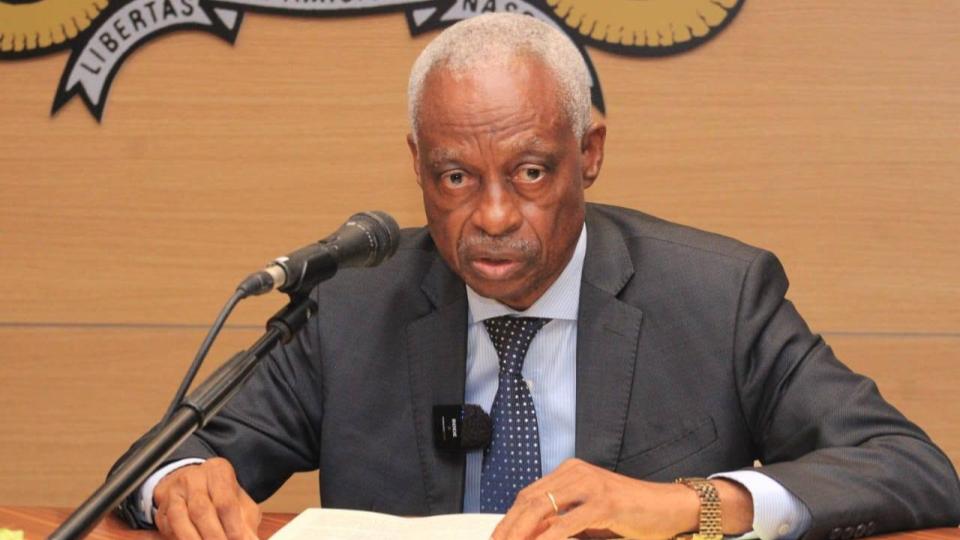
Libreville tackles systematic extortion at Mont-Bouët market
Libreville’s Mont-Bouët Market, the beating heart of Gabon’s informal economy, has become synonymous with a deep-rooted scourge: systematic extortion. Recent accounts from local traders reveal a well-organized scheme, now posing the most pressing challenge to Mayor Eugène Mba’s administration.
Beneath the vibrant chaos of bustling stalls and lively haggling, a darker reality persists. Organized under the banner of the Gabonese Syndicate of Vendors (SDG) and the NGO Solidarity for Gabonese Development, traders have broken their silence. They describe a predatory extortion ring involving municipal officials and law enforcement agents, demanding payments far exceeding legal levies.
Testimonies gathered from vendors expose staggering discrepancies. One trader reported being forced to pay 2,000 CFA francs per stall—four times the legally mandated 500 CFA francs. Even more alarming, receipts are rarely issued, leaving no paper trail and enabling large-scale fraud that drains already struggling budgets.
An entrenched problem with deep roots
This crisis is not new. It has persisted across multiple municipal administrations, shielded by entrenched influence networks and the lack of transparent cash-based transactions. For many small-scale traders, these illegal levies have become a chronic burden, compounding the strain of declining purchasing power.
With oversight mechanisms at Libreville’s City Hall proving inadequate, Mayor Eugène Mba faces an uphill battle to dismantle the system.
Could digitization break the cycle?
As some describe the task as a near-impossible mission, emerging solutions point toward transparency and digital payment systems. Economists advocate for replacing cash transactions with direct digital deposits into municipal accounts—a move that would sever the lifeline of corrupt intermediaries.
For Eugène Mba, the stakes extend beyond urban management. Restoring trust between local authorities and grassroots traders is essential to safeguarding the backbone of Libreville’s subsistence economy.
